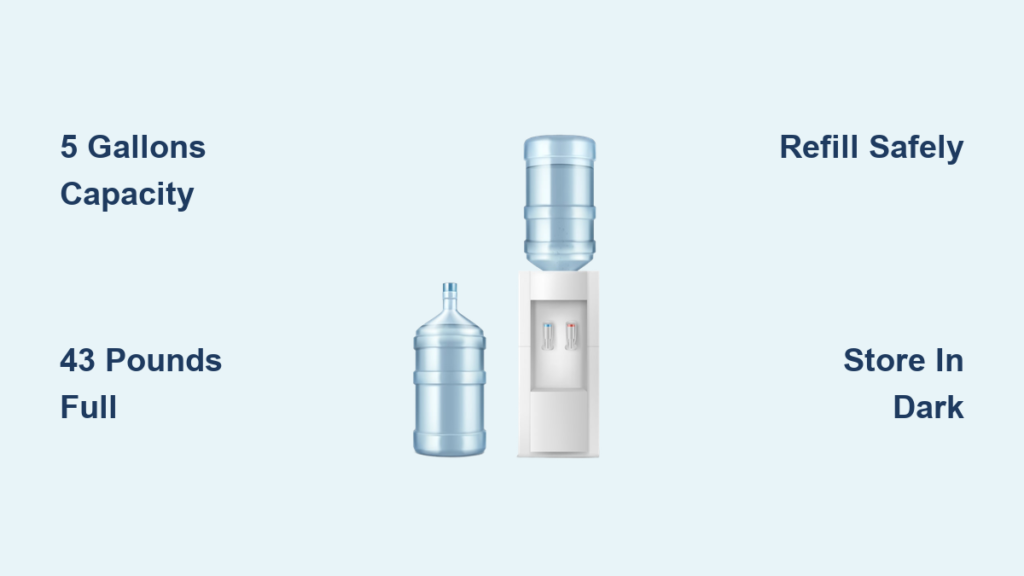
You’ve just unpacked a new water delivery, or maybe you’re standing in the grocery aisle staring at towering plastic jugs. The label says “5-gallon,” but what does that actually mean for your daily hydration? Understanding how much water in a water cooler bottle holds is crucial for managing office supplies, home water consumption, or emergency prep. That bulky container isn’t just a random size—it’s the industry standard for a reason, balancing practicality with hydration needs.
Most people don’t realize a single full bottle weighs as much as a toddler. When your office cooler runs dry or your home dispenser sputters, knowing the exact capacity and handling requirements saves time, money, and potential injury. This guide cuts through the confusion with precise measurements, real-world usage tips, and safety protocols—all verified from industry specifications. You’ll learn exactly what to expect from that ubiquitous blue-tinted jug and how to maximize its value.
Why Every Water Cooler Bottle Holds Exactly 5 Gallons
The “5-gallon” label isn’t arbitrary—it’s the universal standard for water cooler bottles across North America. This size delivers 18.93 liters (640 fluid ounces) of water, engineered for optimal compatibility with commercial and residential dispensers. When you order delivery or grab a jug at Costco, you’re getting precisely this volume, whether the brand is Primo, Crystal Springs, or a local provider.
This standardization exists for three practical reasons:
– Dispenser compatibility: All top-loading and bottom-loading coolers are built to accommodate this exact capacity
– Logistical efficiency: Fits neatly on pallets for shipping and store shelves
– Usage balance: Provides enough water for 10+ people without excessive weight
Don’t be fooled by slight variations in bottle height (19–23 inches) or diameter (11–13 inches). These cosmetic differences don’t change the core capacity. The durable polycarbonate plastic ensures the 5-gallon measurement stays consistent through dozens of reuse cycles.
What the 5-Gallon Weight Means for Your Back
A full water cooler bottle weighs 43 pounds (19.5 kg)—water alone accounts for 41.7 lbs, with the empty jug adding 1–2 lbs. This isn’t just trivia; it’s a critical safety factor. Lifting improperly causes thousands of back injuries yearly. Before grabbing that bottle:
1. Test the weight – Give it a gentle shake; if sloshing sounds weak, it may be underfilled
2. Position your feet – Stand with feet shoulder-width apart, bottle centered between knees
3. Lift with legs – Squat deeply, keep spine straight, and drive upward using thigh muscles
4. Never twist – Pivot feet instead of rotating your torso while moving
For top-loading coolers, consider a bottle dolly or recruit help. Bottom-loading dispensers eliminate overhead lifting entirely—worth the upgrade if you handle bottles solo.
How Long Your 5-Gallon Bottle Actually Lasts Daily
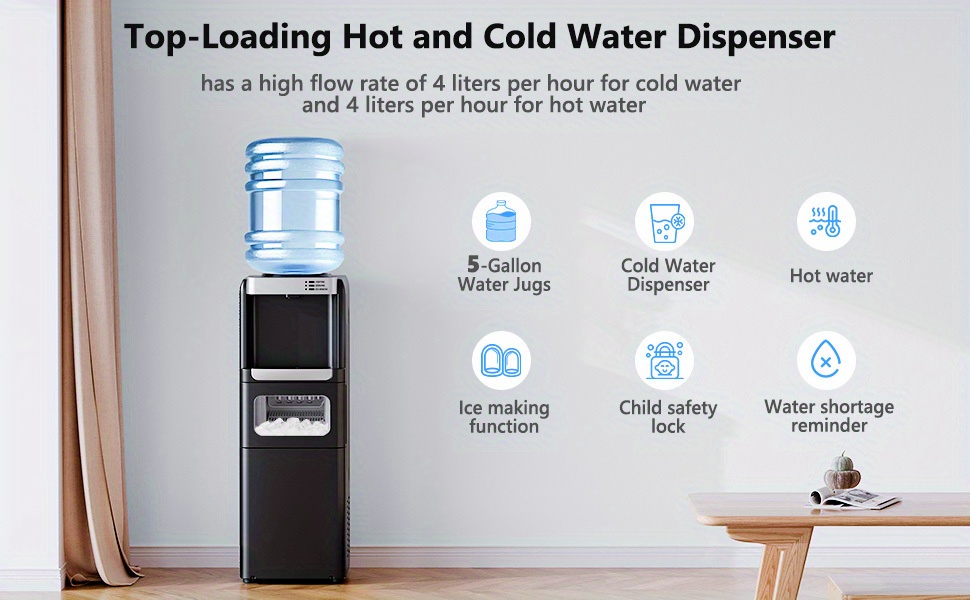
Guessing how long a water cooler bottle lasts leads to midday dehydration emergencies. The math is straightforward once you know how much water in a water cooler bottle serves:
Office Usage Calculator
- For 10 people: Lasts 3–5 workdays (assuming 24 oz/person daily)
- For 25 people: Requires replacement every 1–2 days
- High-traffic areas: Vending zones or break rooms may drain a bottle in 8 hours
Home Family Planning
- Family of 4: One bottle covers 6–8 days for drinking/cooking
- Active households: Add 1–2 days if using water for pets or gardening
Pro tip: Track usage with a dry-erase marker on your cooler. Note the fill date and watch the water level drop 1 inch daily for 4 people. When it hits half-full, order your next delivery.
Where to Get 5-Gallon Bottles (Beyond Delivery Trucks)
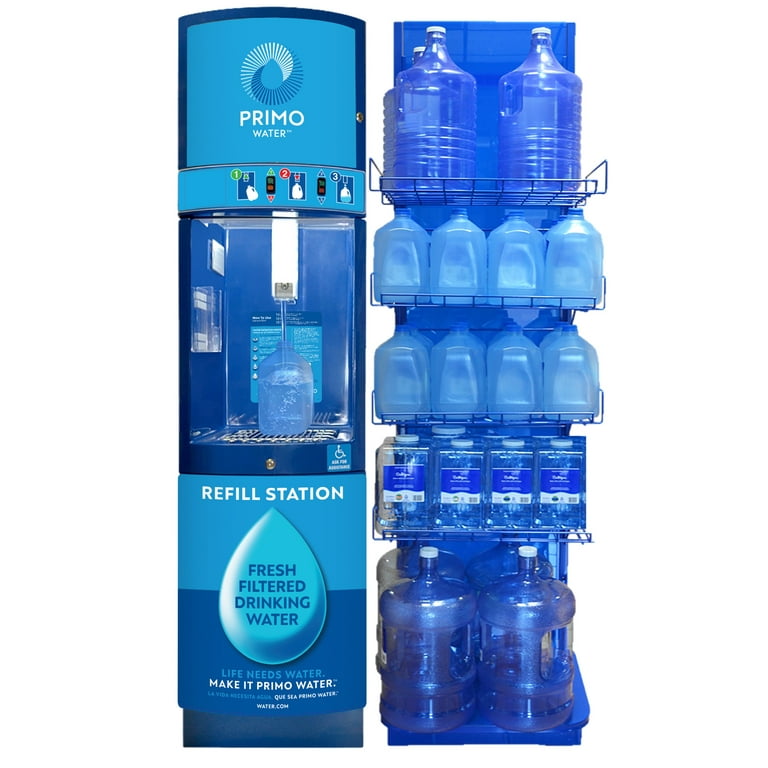
Most assume water cooler bottles only come via subscription services, but three accessible alternatives exist:
Grocery Store Shortcuts
- Walmart/Costco: Sell pre-filled 5-gallon jugs ($6.99–$8.99) near the bottled water aisle
- Refill stations: Whole Foods or Sprouts offer $0.35/gallon fills at self-serve kiosks
- Empty bottle deals: Buy reusable polycarbonate jugs ($10–$15) for DIY refills
Emergency Prep Hack
Skip delivery fees entirely by filling bottles from your home filtration system. Use a funnel with a fine mesh strainer to prevent sediment. For long-term storage, add 8 drops of unscented bleach per gallon before sealing.
Refilling Safely: Avoiding Mold and Bacteria
Reusing water cooler bottles saves money but risks contamination if done incorrectly. Commercial bottlers sanitize jugs professionally, but DIY refills require vigilance. Follow this exact sequence:
- Scrub thoroughly – Use hot, soapy water and a 24-inch bottle brush (never skip this!)
- Sanitize – Swish 1 tsp unscented bleach per gallon of water for 2 minutes
- Rinse 3x – Drain completely between rinses to eliminate chemical traces
- Dry upside-down – Air-dry 24 hours on a clean rack before refilling
Critical warning: Discard bottles showing cloudiness, deep scratches, or persistent odors—these harbor bacteria even after cleaning. Most last 50–75 refills before replacement.
Storage Secrets for Fresh-Tasting Water
Sunlight and heat turn perfectly good water stale within days. Maximize freshness with these pro storage tactics:
- Location matters most: Store upright in a dark basement or pantry (not garages where temps exceed 75°F/24°C)
- Rotation rule: Use “first in, first out” – mark fill dates with masking tape
- Shelf life limits:
- Commercially sealed jugs: 1–2 years from production date
- Home-refilled jugs: Consume within 3 weeks
Expert note: If water tastes “flat,” aerate it by pouring between two clean pitchers 5 times before chilling.
Emergency and DIY Uses Beyond the Cooler
That empty 5-gallon bottle in your garage? It’s a hydration Swiss Army knife:
- Disaster prep: Stores 5 days of emergency water for one person (1 gallon/day)
- Garden irrigation: Poke small holes in the cap for slow-drip plant watering
- Portable showers: Hang from tree branches with a gravity-fed shower head attachment
Just ensure thorough cleaning between non-drinking uses—especially after storing fuels or chemicals.
Why 5-Gallon Bottles Beat Single-Use Plastics

Choosing refillable jugs isn’t just convenient—it slashes plastic waste dramatically. One 5-gallon bottle reused 50 times prevents 530+ single-serve bottles from landfills. Financially, it’s unbeatable:
| Water Source | Cost Per Gallon | Plastic Waste |
|---|---|---|
| 5-gallon delivery | $0.50–$1.00 | Near-zero (reusable) |
| Single-serve bottles | $1.50–$8.00 | High (167 bottles/gallon) |
| Home refill stations | $0.25–$0.50 | None |
Bottom-loading coolers with reusable jugs offer the best ROI for offices, cutting costs by 60% versus bottled water subscriptions.
Smart Bottle Management for Long-Term Savings
Mastering how much water in a water cooler bottle involves isn’t just about volume—it’s about smart resource management. Always inspect bottles for cracks before refilling, and never let water sit stagnant beyond 4 weeks. For offices, schedule deliveries based on actual consumption (not arbitrary weekly drops) to avoid half-empty bottles gathering dust.
When your current jug runs dry, tilt it sideways immediately—this prevents airlocks that delay your next bottle’s flow. And if you’re lifting frequently, invest in an under-counter bottom-loading cooler; the $50 premium pays for itself in avoided chiropractor visits. By treating your 5-gallon standard as the precision tool it is, you’ll ensure reliable hydration while minimizing waste and risk. That blue bottle isn’t just holding water—it’s holding the key to smarter hydration.