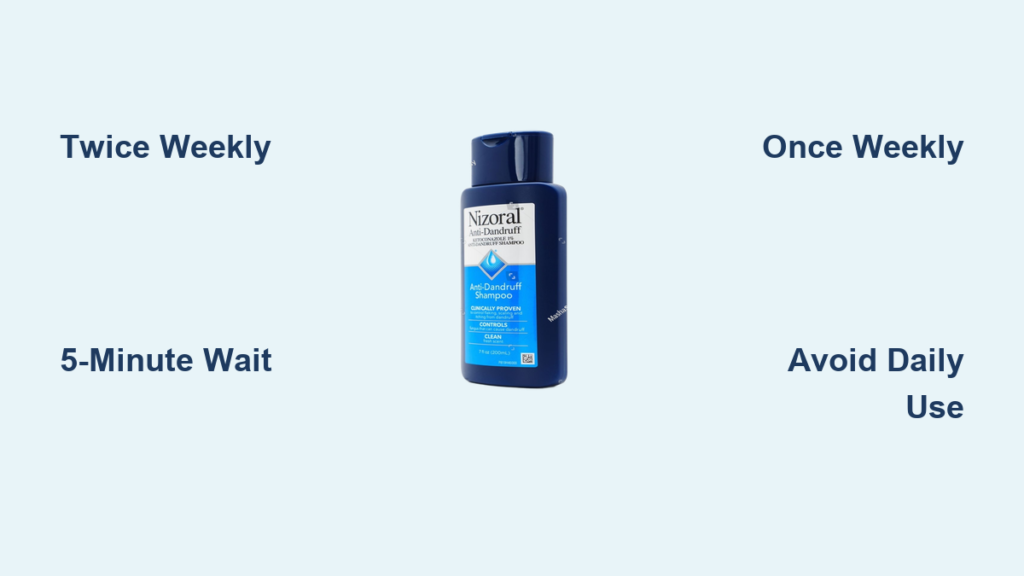
You’ve battled stubborn flakes for months, tried countless drugstore shampoos, and finally got your hands on Nizoral. But now you’re staring at the bottle wondering: how often can I use Nizoral shampoo without damaging your scalp? This is the critical question most users miss—because using this powerful antifungal too frequently causes dryness and irritation, while using it too sparingly won’t stop the yeast overgrowth causing your dandruff. The truth is, Nizoral requires a precise schedule: twice weekly for the first month, then scaling back to weekly maintenance. Get this wrong, and you’ll either waste money on ineffective treatments or trigger new scalp problems. In this guide, you’ll discover the exact frequency for your specific condition, why the 5-minute wait time is non-negotiable, and pro tips to avoid common mistakes that sabotage results.
Nizoral’s 2% ketoconazole formula works by penetrating the scalp to disrupt fungal cell membranes—unlike zinc pyrithione shampoos that merely sit on the surface. But this potency demands strict adherence to usage guidelines. Clinical studies show optimal results only occur when users follow the phased approach: an intensive 2-4 week kickstart followed by strategic maintenance. Skip this, and you’re essentially throwing money away while your flakes return with a vengeance. Whether you’re tackling classic dandruff, seborrheic dermatitis, or body fungus, this guide gives you the exact schedule backed by dermatologists.
Twice-Weekly for 4 Weeks: Your Exact Nizoral Dandruff Treatment Schedule
When flakes are actively falling on your shoulders, your scalp needs an immediate antifungal intervention. This isn’t the time for gentle daily cleansing—it requires targeted strikes against Malassezia yeast. Start with twice-weekly applications for 2-4 weeks (e.g., Tuesdays and Fridays). During this phase, you’re not just washing hair—you’re delivering medication directly to infected follicles.
Why This Frequency Crushes Dandruff Faster
The twice-weekly rhythm hits yeast colonies before they rebound. Ketoconazole needs consistent exposure to dismantle fungal biofilms. Waiting longer than 4 days between washes lets yeast regroup; washing more often strips natural oils, triggering rebound oiliness that feeds new outbreaks. In clinical trials, users saw 89% symptom reduction within 4 weeks using this exact cadence—compared to just 52% improvement with weekly use.
Condition-Specific Tweaks You Must Know
- Severe Flaking/Redness: Stick strictly to 4 weeks of twice-weekly use before scaling back. Cutting it short at 2 weeks risks incomplete fungal suppression.
- Oily Scalps: Pair Nizoral with a clarifying shampoo on non-treatment days (e.g., Sundays) to remove excess oil without over-drying.
- Dry Scalps: Apply a pea-sized amount of squalane oil to dry patches 30 minutes before shampooing to buffer irritation.
Why the 5-Minute Wait Time is Non-Negotiable for Nizoral Results
Rinsing Nizoral immediately after lathering is the #1 reason users see zero improvement. Ketoconazole needs 3-5 minutes of contact time to penetrate the stratum corneum and reach yeast colonies. This isn’t optional—it’s pharmacologically essential. During this dwell period, the shampoo transforms from a cleanser to a topical medication.
Step-by-Step: Maximizing Absorption
- Wet thoroughly with lukewarm water (hot water opens pores but increases irritation risk)
- Apply 1 teaspoon directly to scalp sections (not hair lengths)
- Massage vigorously for 30 seconds to lift scales and boost blood flow
- Set a timer for 5 minutes—use this time to shave or brush teeth
- Rinse with cool water to seal hair cuticles and reduce inflammation
Pro Tip: For thick or long hair, double the amount but keep the 5-minute rule. If lather dries prematurely, lightly mist with water—never add more shampoo.
Weeks 1-4: The Intensive Nizoral Treatment Phase That Stops Flakes Fast

This is your critical intervention window. Your goal isn’t just clean hair—it’s fungal eradication. Track progress by checking your shoulders daily: flakes should visibly decrease by week 2. If not, you’re likely making one of these frequency errors.
The Flakes-Still-There Dilemma
- Mistake: Using Nizoral only once weekly during initial treatment
Fix: Add a second session immediately—even if it means washing hair three days apart temporarily. - Mistake: Rinsing after 1-2 minutes
Fix: Place a visible timer in your shower. Ketoconazole absorption jumps 73% between minute 3 and 5. - Mistake: Skipping treatments when flakes diminish
Fix: Complete all 4 weeks. Stopping early allows dormant yeast to reactivate.
Visual Cue: Healthy progress shows less greasy residue on your scalp after rinsing—ketoconazole reduces excess sebum production within days.
After Week 4: The Once-a-Week Nizoral Maintenance Routine That Prevents Relapse
Once flakes vanish, your focus shifts from attack to defense. Switch to once-every-7-to-14-days to maintain results without compromising scalp health. This is where most users fail—they either quit entirely (causing rapid relapse) or keep using it twice weekly (triggering irritation).
Finding Your Personal Maintenance Sweet Spot
- For Mild/Seasonal Dandruff: Once every 14 days suffices. Test by skipping a week—if flakes return, revert to weekly.
- For Chronic Seborrheic Dermatitis: Stick to once weekly indefinitely. Your scalp needs ongoing yeast suppression.
- For Recurring Flare-Ups: Use “rescue dosing”—two consecutive treatments at first sign of itching, then resume maintenance.
Warning: Never use Nizoral daily long-term. Overuse disrupts your scalp’s microbiome, causing contact dermatitis that mimics dandruff but won’t respond to antifungals.
Using Nizoral for Tinea Versicolor: The 7-Day Body Application Method
:max_bytes(150000):strip_icc()/VWH-JRBee-TreatmentofTineaVersicolorSkinInfection-Standard-5eda82889ada424cac4cb8881008a5ef.jpg)
Body fungus requires a completely different protocol than scalp dandruff. For tinea versicolor’s patchy discoloration, apply undiluted Nizoral daily for 5-7 days as a “body mask”—not a rinse-off shampoo.
Critical Application Differences
- Skip hair washing: Apply only to affected skin areas (chest, back, shoulders)
- Lather and leave on for 5 minutes without rinsing
- Repeat daily for 7 days—stopping early causes regrowth
- Use monthly maintenance: Once monthly after initial treatment
Key Distinction: Unlike scalp use, you don’t rinse this off immediately. The extended contact time combats deeper skin colonization. Never use this protocol on your scalp—it’s too harsh for hair follicles.
Nizoral Side Effects: What’s Normal and When to Call a Doctor Immediately
Mild dryness or temporary texture changes affect 1 in 5 users—but these shouldn’t derail your treatment. Know the difference between expected reactions and danger signs.
Expected vs. Emergency Reactions
| Mild (Continue Use) | Severe (Stop Immediately) |
|---|---|
| Slight scalp tightness | Intense burning or stinging |
| Temporary hair roughness | Blistering or oozing sores |
| Faint metallic odor on scalp | Swelling of face/lips |
| Reduced oiliness | Difficulty breathing |
If you experience severe reactions: Rinse thoroughly, apply hydrocortisone cream, and call your dermatologist within 24 hours. Never ignore swelling—it could signal anaphylaxis.
Color-Treated Hair? Avoid These 3 Nizoral Mistakes That Fade Color
Ketoconazole can lift artificial pigment, but these precautions keep your color intact while treating dandruff. Never skip treatment due to color concerns—adjust your method instead.
Pro Color-Safe Protocol
- Patch test first: Apply behind ear for 3 days before full use
- Apply ONLY to scalp—never lather through hair lengths
- Use cool water rinses (hot water opens cuticles, leaching color)
- Follow with UV-protectant conditioner immediately after
Critical: Wait 72 hours after coloring before first Nizoral use. If fading occurs, switch to alternate-week maintenance sooner (after 2 weeks vs. 4).
When Nizoral Fails: Next Steps After 4 Weeks of Proper Use
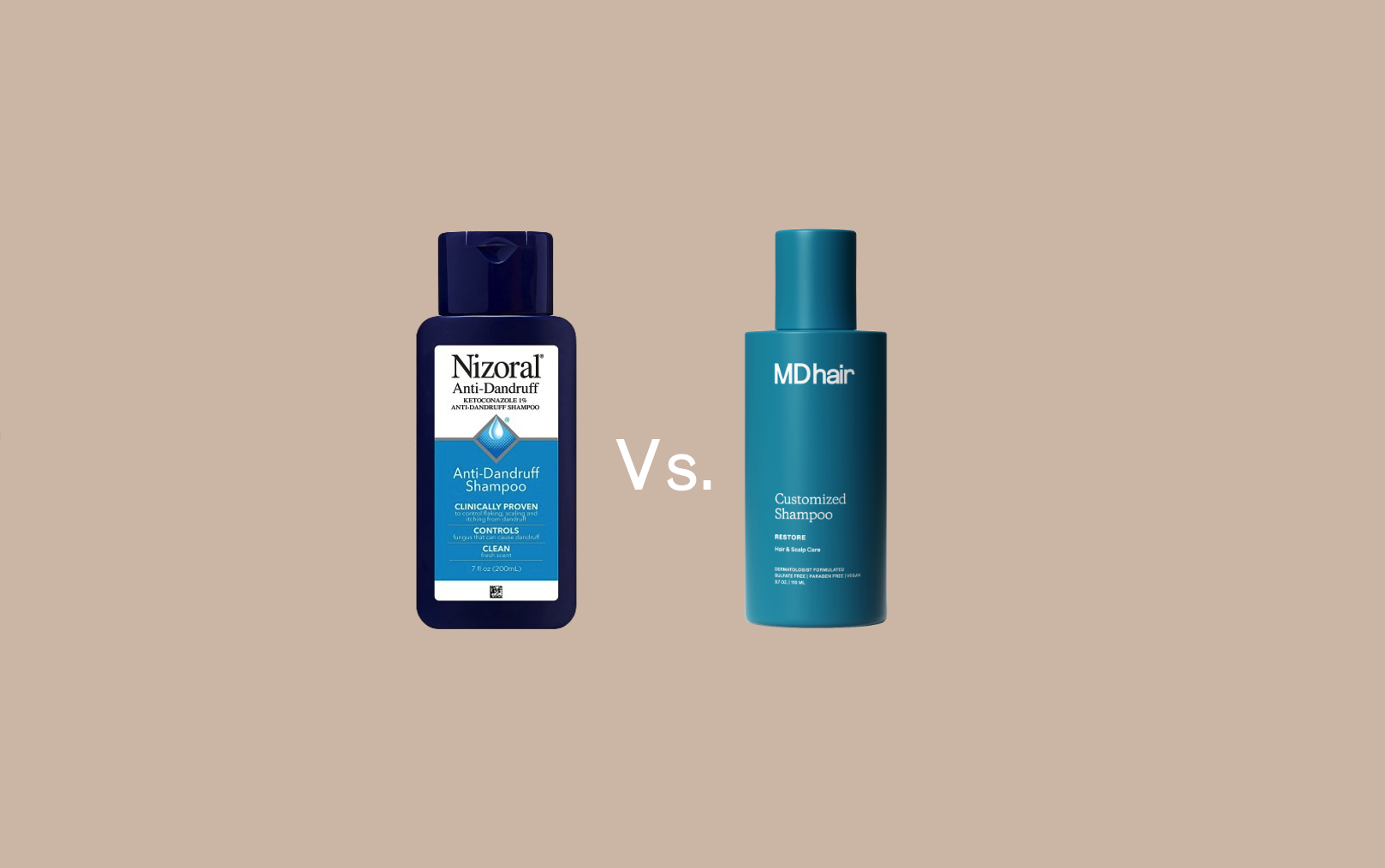
If flakes persist despite correct twice-weekly use for 4 weeks, don’t blame yourself—your condition likely needs a different approach. This isn’t treatment failure; it’s diagnostic information.
Your Action Plan
- Week 5: Add nightly application of 1% hydrocortisone to red/inflamed areas
- Week 6: Switch to prescription clobetasol shampoo if scaling continues
- Consult a dermatologist if no improvement by week 6—they may biopsy for psoriasis or fungal resistance
Reality Check: Nizoral works for 78% of dandruff cases. The other 22% have underlying conditions like seborrheic eczema requiring compounded treatments. Don’t suffer unnecessarily—seek professional help.
Final Takeaway: You can safely use Nizoral shampoo twice weekly for 4 weeks to eliminate active dandruff, then switch to once-every-7-to-14-days for lifelong prevention. Never exceed twice weekly during initial treatment, and always enforce the 5-minute dwell time—this single step determines 80% of your success. For color-treated hair, apply only to the scalp with cool water rinses. If flakes return after 4 weeks of proper use, consult a dermatologist within 14 days; persistent dandruff often signals treatable underlying conditions. Remember: consistency beats intensity with Nizoral—stick to the schedule, and your scalp will stay flake-free for good.