Your carpet’s deep cleaning schedule isn’t arbitrary—it’s directly tied to the life happening on top of it. If you’ve ever wondered “how often should I shampoo my carpet” while staring at mysterious stains or lingering odors, you’re not alone. Most homeowners guess at carpet cleaning frequency, leading to either neglected fibers harboring allergens or over-cleaned carpets suffering premature wear. The truth is, your ideal shampooing schedule depends entirely on your household’s unique circumstances—not some generic calendar recommendation. This guide delivers the precise cleaning intervals you need based on your specific lifestyle, plus professional techniques that ensure each shampoo session actually extends your carpet’s lifespan.
Why Your Carpet’s Cleaning Schedule Isn’t One-Size-Fits-All
Carpet manufacturers don’t provide universal cleaning schedules because they know your lifestyle determines maintenance needs. Two identical carpets in different homes can require vastly different care based on what happens above them. Understanding these variables prevents both under-cleaning (allowing dirt to damage fibers) and over-cleaning (causing unnecessary wear).
How Pet Traffic Dictates Your Deep Cleaning Calendar
Pets transform your carpet maintenance requirements dramatically. Dogs and cats track in outdoor contaminants, shed fur that traps dirt, and occasionally have accidents that require immediate attention. Pet owners consistently report needing deep cleaning every 3-6 months to maintain freshness and prevent permanent damage. The critical factor isn’t just the pet’s presence—it’s their behavior. An active dog that romps outside daily introduces significantly more soil than a cat that stays indoors. Spot cleaning accidents within 15 minutes prevents stains from setting and stops odors from penetrating carpet padding.
Children’s Impact on Carpet Longevity and Cleaning Frequency
Homes with young children face unique carpet challenges. Juice spills, craft projects gone wrong, and tracked-in playground dirt create a cleaning demand that quiet households never experience. Parents consistently find that high-traffic areas near play zones need deep cleaning every 6-12 months, while immediate spot treatment of accidents prevents permanent staining. The key isn’t just frequency—it’s technique. Using the wrong cleaning products on kid messes can leave residues that attract more dirt, making carpets look dirty faster after cleaning.
The Hidden Connection Between Allergies and Carpet Maintenance
For allergy and asthma sufferers, carpet cleaning isn’t about appearance—it’s a health necessity. Carpets act as air filters, trapping dust mites, pollen, and pet dander that would otherwise circulate in your home. When these allergens build up, they get released back into the air with every footstep. Households with allergy sufferers benefit from deep cleaning every 6-12 months to significantly improve indoor air quality. This isn’t just about removing visible dirt; it’s about extracting microscopic particles embedded deep in carpet fibers that trigger respiratory issues.
Your Exact Carpet Cleaning Schedule by Household Type
Stop guessing when to shampoo your carpet—use this evidence-based schedule tailored to your specific living situation. These intervals come from analyzing professional cleaning recommendations alongside real homeowner experiences.
The Vacuum Test That Determines Your Personal Cleaning Timeline
Before following any schedule, perform this simple test: vacuum a high-traffic area thoroughly, then run a white towel over the same spot. If the towel shows significant dirt, your carpet needs deep cleaning regardless of how recently you last shampooed it. This practical assessment beats arbitrary calendar dates because it measures actual soil levels rather than assumed usage. Many homeowners discover they need to shampoo their carpet more frequently than they realized once they see how much soil their vacuum missed.
High-Traffic Zones Need Special Attention
Entryways, hallways, and living rooms accumulate dirt at 5-10 times the rate of less-used spaces. These areas often require deep cleaning every 3 months in busy households, even if the rest of your carpet can go longer between shampoos. The critical mistake many homeowners make is treating their entire home as one unit. Instead, segment your cleaning schedule by traffic patterns—your guest room likely needs shampooing half as often as your main hallway.
DIY Carpet Shampooing: The 4-Step Process Professionals Wish You Knew
Most homeowners fail at DIY carpet cleaning because they skip critical steps that professionals consider non-negotiable. Follow this exact sequence to achieve professional results with your home machine.
The Non-Negotiable Pre-Vacuuming Step That Makes or Breaks Results
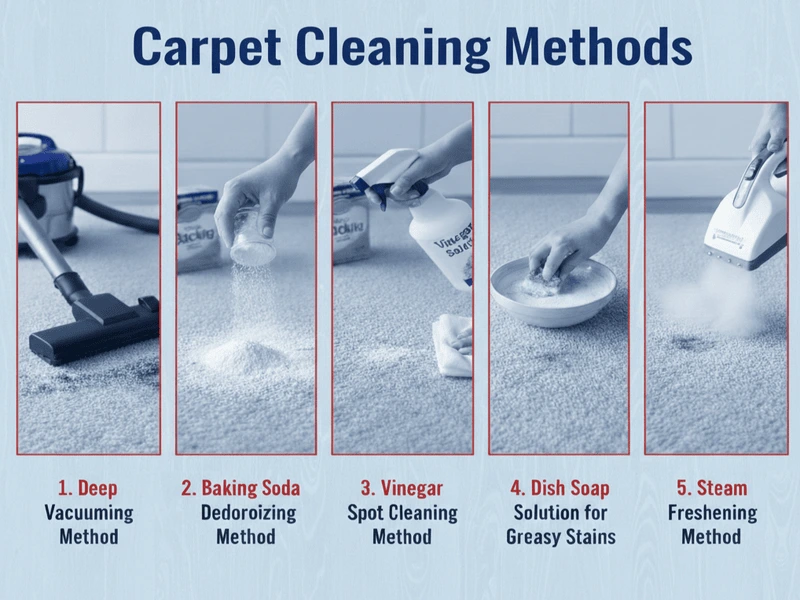
Thorough vacuuming before shampooing isn’t just recommended—it’s essential. Dry soil must be removed first because when mixed with cleaning solution, it creates mud that gets pushed deeper into carpet fibers. Use a high-suction vacuum (preferably CRI-approved) and make multiple slow passes in different directions. This single step determines whether your shampooing removes dirt or merely redistributes it. Professionals report that 80% of poor DIY cleaning results stem from inadequate pre-vacuuming.
Why Dwell Time Is Your Secret Weapon Against Embedded Dirt

After applying cleaning solution, resist the urge to immediately start extracting. Let the solution dwell for 10-15 minutes (longer for tough stains) to break down sticky residues. This dwell time allows cleaning agents to penetrate deep into fibers where vacuuming can’t reach. Many homeowners skip this step, wondering why their carpet still looks dirty after cleaning. The chemical reaction needs time to work—rushing this phase leaves behind the very dirt you’re trying to remove.
| Household Type | Recommended Cleaning Frequency | Critical Maintenance Tips |
|---|---|---|
| Single/Couple (No Pets/Kids) | 12-18 months | Focus extra attention on entryways; spot clean spills immediately |
| Family with Young Children | 6-12 months | Treat high-traffic play areas every 3 months; keep kid-safe spot cleaner handy |
| Household with Pets | 3-6 months | Vacuum daily; spot clean accidents within 15 minutes; deep clean pet resting areas monthly |
| Household with Allergies | 6-12 months | Use HEPA vacuum weekly; consider antimicrobial treatment during deep cleans |
| High-Traffic Areas | Quarterly | Implement a strict shoes-off policy to extend time between deep cleans |
| Low-Traffic Areas | 12-24 months | Rotate furniture periodically to prevent uneven wear patterns |
The “Clean Water” Extraction Rule That Prevents Rapid Resoiling
The most critical phase of DIY shampooing is extraction—and most homeowners stop too soon. Continue extracting until the water runs completely clear, which may require multiple passes over stubborn areas. Dirty extraction water means soil remains in your carpet, causing it to look dirty again within days. This is why many people believe carpet cleaning makes stains worse—they’re not removing all the dirt and cleaning solution, leaving behind residues that attract more soil.
The Dry Pass That Cuts Drying Time by 50%
After your final rinse extraction, run your machine over the cleaned area one more time with the solution sprayer turned OFF. This “dry pass” uses maximum suction to pull moisture from deep within carpet fibers. Proper drying is non-negotiable—carpets that stay damp longer than 12 hours risk mold growth and subfloor damage. Combine this dry pass with fans and dehumidifiers to ensure complete drying within 6-12 hours, preventing the musty odors that plague many DIY cleaning attempts.
Why Your Last DIY Cleaning Failed (And How to Fix It)
Most carpet cleaning failures stem from predictable mistakes that are easily corrected with the right knowledge. Understanding these pitfalls transforms your results dramatically.
The Machine Maintenance Mistake That Sabotages Every Clean
Neglecting to clean your carpet machine after use causes more problems than people realize. Detergent residue hardens in solution lines, reducing performance and potentially introducing mold into your next clean. Always flush your machine with clean, hot water after each use to prevent clogs and bacterial growth. This simple 5-minute step extends your machine’s life and ensures consistent cleaning performance. Many users report improved results simply by maintaining their equipment properly between uses.
The Drying Disaster That Causes Mold Growth
The most serious consequence of improper carpet cleaning isn’t poor appearance—it’s moisture-related damage. Carpets that remain damp for more than 12 hours create ideal conditions for mold and mildew growth beneath the surface, where you can’t see it. This hidden problem leads to persistent odors and potential health issues. Prevent this by using multiple extraction passes, the dry pass technique, and supplemental drying methods like fans and dehumidifiers. Never cover wet carpet with furniture or rugs until completely dry.
When to Call Professionals Instead of Using Your Home Machine
While DIY cleaning works well for maintenance, certain situations demand professional expertise and equipment.
The Heavy Soil Threshold That Requires Professional Extraction
If your first extraction pass produces extremely dirty water that takes multiple cycles to clear, your carpet has accumulated years of embedded soil that home machines can’t fully remove. Professional equipment uses hotter water and stronger suction to extract deeply embedded contaminants that standard home machines leave behind. This is particularly important for carpets neglected beyond the 18-month mark, where soil has bonded to fibers.
Post-Construction Cleaning: Why Home Machines Fall Short
Construction dust contains fine particles that penetrate deep into carpet fibers and padding. Standard home carpet cleaners lack the extraction power needed to remove these microscopic particles, which continue to affect indoor air quality long after construction ends. Professional services use commercial-grade equipment specifically designed for post-construction cleanup, ensuring complete removal of harmful dust particles that home machines miss.
Your carpet’s ideal shampooing schedule isn’t arbitrary—it’s a direct reflection of your household’s activity level and needs. By implementing the specific intervals and techniques outlined here, you’ll maintain cleaner carpets that last longer while avoiding the common pitfalls that lead to wasted effort and premature replacement. Remember the clean water rule: if your extraction water isn’t clear, you haven’t cleaned enough. Start with the recommended schedule for your household type, then adjust based on your carpet’s actual condition. Weekly vacuuming combined with timely deep cleaning transforms carpet maintenance from a chore into a simple system that keeps your home healthier and more inviting. The next time you wonder “how often should I shampoo my carpet,” refer to your personalized schedule and the practical techniques that ensure every cleaning session delivers real results.