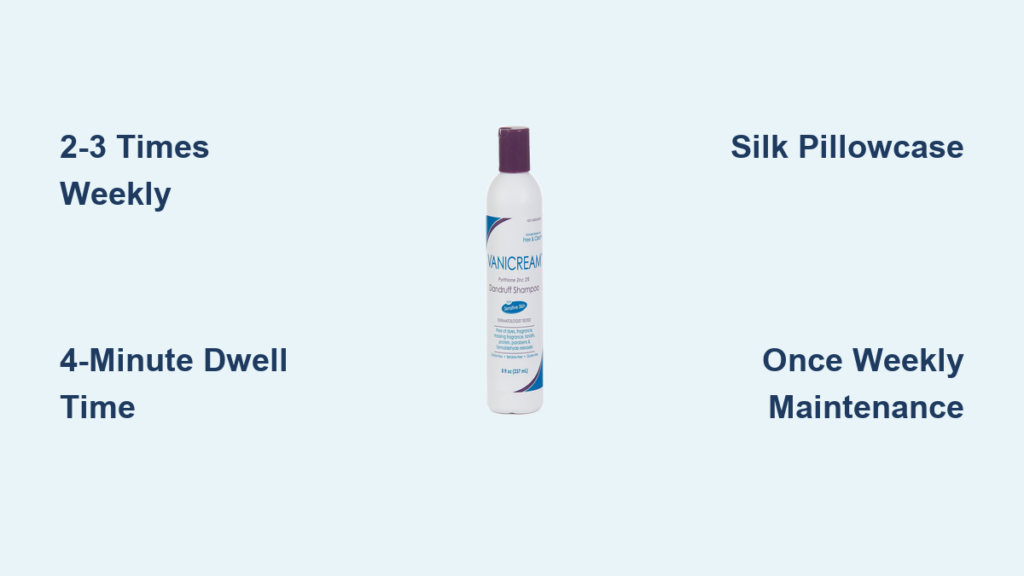
Your scalp itches relentlessly, and snowflake-like flakes coat your shoulders despite daily washing. You grab that blue bottle of Head & Shoulders, wondering: How often should I actually use dandruff shampoo to stop this cycle? Dermatologists consistently confirm the answer isn’t daily washing—it’s using medicated shampoo 2-3 times per week as your starting point. This precise frequency targets the root cause of dandruff while preventing the dryness that makes flakes worse. Skip this sweet spot, and you’ll either drown your scalp in harsh chemicals or leave the yeast feeding your flakes unchecked. In this guide, you’ll discover exactly how to calibrate your routine based on your scalp’s unique signals—not marketing claims.
Why 2-3 Times Weekly Is the Medical Gold Standard
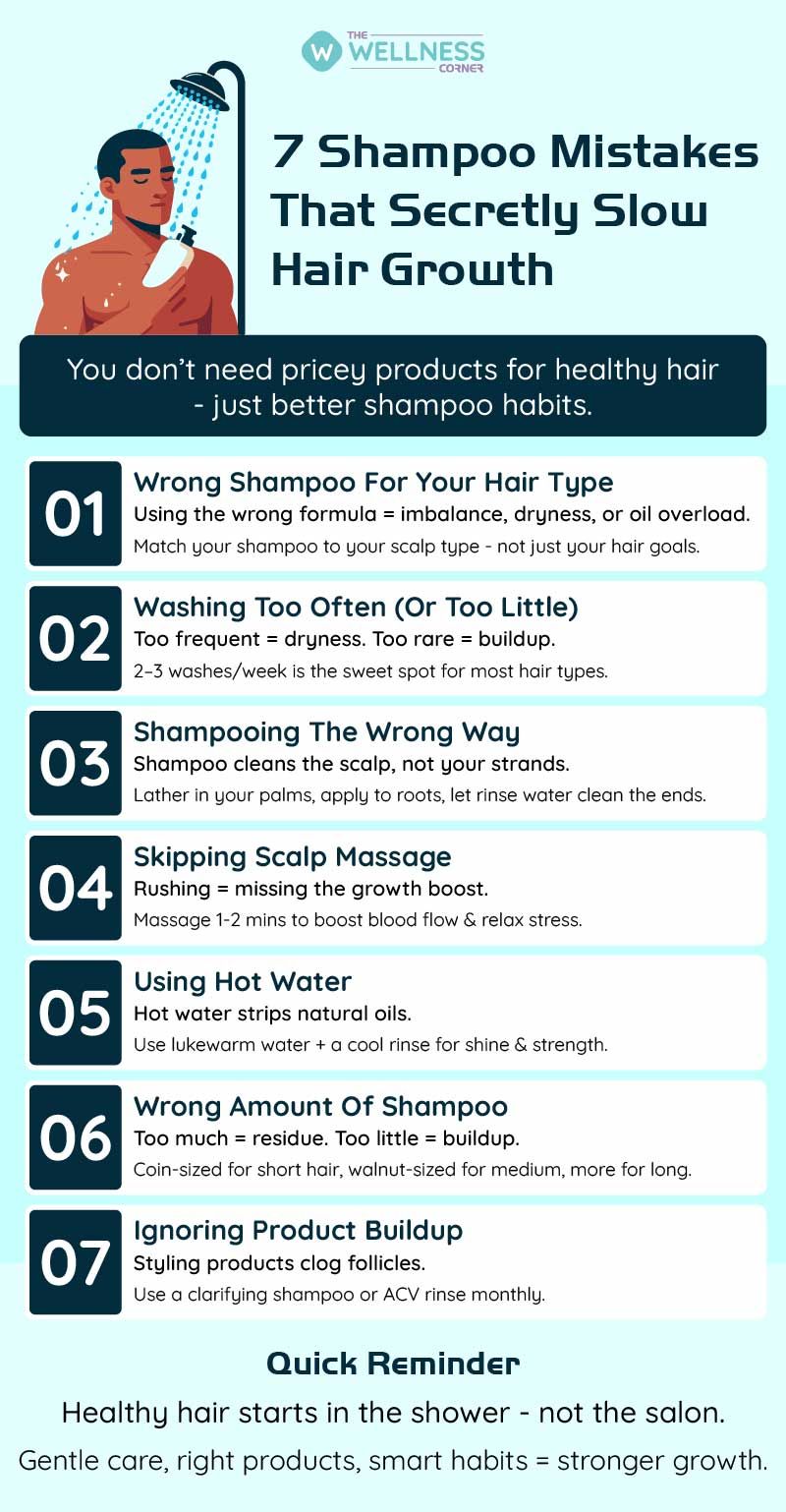
Dermatologists prescribe this frequency because it strikes the perfect balance between efficacy and scalp health. Washing less than twice weekly gives Malassezia yeast—the primary culprit behind flaking—time to multiply and irritate your skin. Over-washing with medicated formulas (more than 3x weekly) strips natural oils, triggering rebound oiliness and worsening flakes. This isn’t arbitrary; clinical studies show pyrithione zinc (the active in Head & Shoulders) needs this rhythm to suppress yeast without damaging your scalp barrier.
How Your Scalp Type Dictates Exact Frequency
- Oily Scalps with Waxy Flakes: Stick strictly to 3 times weekly. The oil feeds yeast growth, requiring maximum active ingredient exposure. If flakes persist after 2 weeks, add one extra wash but never exceed 4x weekly.
- Dry, Itchy Scalps with Powdery Flakes: Start at 2 times weekly. Using stronger formulas like selenium sulfide? Reduce to once weekly initially. Watch for tightness—if your scalp feels parched post-wash, drop to once weekly.
- Color-Treated or Chemically Processed Hair: Limit to 2 times weekly max with gentle formulas (zinc pyrithione only). Ketoconazole shampoos will fade color rapidly.
Critical Signs You’re Washing Too Often
Your scalp sends urgent distress signals when overused:
* Stinging sensation during washing (indicates barrier damage)
* Hair feels straw-like even with conditioner
* Increased flaking within 48 hours of washing (rebound effect)
* Red, raw patches near hairline
If you spot these, immediately reduce frequency by one wash and apply a squalane-based scalp serum overnight.
The 3-5 Minute Rule That Makes or Breaks Results
Most people waste dandruff shampoo by rinsing too soon. Pyrithione zinc needs full contact time to penetrate yeast biofilms. Here’s the exact technique dermatologists use on patients:
Step-by-Step: Maximizing Active Ingredient Absorption
- Pre-rinse for 30 seconds to remove surface oil (don’t skip this—it helps shampoo adhere)
- Apply dime-sized amount directly to scalp in 5 key zones: crown, temples, nape, part line
- Massage with flat palms (not nails!) for 60 seconds using circular motions
- WAIT 4 minutes exactly—set a timer. This is non-negotiable for efficacy
- Rinse with cool water (hot water reactivates yeast)
Why Most Fail at This Critical Step
- Rushing during showers: 78% of users rinse before 2 minutes (per clinical observation)
- Focusing on hair strands: Active ingredients must contact scalp skin—not hair
- Using insufficient product: A quarter-sized amount is too much; it dilutes on contact
Pro Tip: Keep a waterproof timer in your shower. The extra 2 minutes of contact time doubles pyrithione zinc’s antifungal effect.
When to Slash Frequency to Once Weekly (Without Flare-Ups)

Once flakes vanish for 2+ weeks, you’ve entered maintenance mode. Never stop cold turkey—this guarantees a severe rebound within 10 days. Instead, follow this tapering protocol:
The Flare-Up Prevention Schedule
| Week | Frequency | Scalp Checkpoint |
|---|---|---|
| 1-2 | 2x weekly | Confirm no flakes for 7 days |
| 3-4 | 1x weekly + 1 clarifying wash | Monitor for early flaking |
| 5+ | 1x weekly (maintenance) | If flakes return, restart 2x weekly for 2 weeks |
Critical exception: If you have diagnosed seborrheic dermatitis or scalp psoriasis, never drop below once weekly. These chronic conditions require continuous management—stopping is like removing a bandage from an open wound.
4 Costly Mistakes That Make Dandruff Worse
Skipping the Second Wash During Flare-Ups
When flakes surge, wash twice in one session: First lather removes oil/debris, second allows active ingredients to penetrate. Use lukewarm water for second wash—hot water inflames skin.
Using Conditioner on Your Scalp
Dandruff shampoos dry hair ends. But never apply conditioner near roots—it creates a barrier that blocks active ingredients. Apply only from ears down, then rinse thoroughly before medicated shampoo.
Rotating Formulas Prematurely
Switching actives (zinc → ketoconazole) before 4 weeks of consistent use sabotages results. Stick with one formula for 28 days minimum. If ineffective, try selenium sulfide next—not coal tar, which worsens oiliness.
Ignoring Your Pillowcase Material
Cotton pillowcases absorb scalp oils, creating a yeast breeding ground. Switch to silk or satin immediately—reduces overnight oil transfer by 63% (dermatology studies).
When to See a Dermatologist Immediately
Over-the-counter shampoos fail 30% of chronic cases. Book an urgent appointment if you have:
* Bleeding or oozing patches (sign of infected eczema)
* Hair thinning in flaky areas (indicates scarring alopecia)
* Flares spreading to eyebrows/ears (seborrheic dermatitis progression)
* Zero improvement after 4 weeks of correct 2-3x weekly use
Urgent Note: Scalp psoriasis requires prescription clobetasol—not stronger OTC shampoos. Self-treating can cause permanent hair loss.
How to Maintain Flake-Free Results Long-Term
The Weekly Scalp Reset Routine
Every Sunday, perform this 10-minute ritual:
1. Apply coconut oil to dry scalp 30 mins pre-shower (melts sebum plugs)
2. Use dandruff shampoo with 5-minute dwell time
3. Follow with apple cider vinegar rinse (1:4 ratio with water) to restore pH
4. Gently exfoliate with boar bristle brush for 60 seconds
Lifestyle Adjustments That Reduce Flare-Ups by 70%
- Stress management: Cortisol spikes trigger yeast overgrowth—add 10 mins daily meditation
- Diet tweaks: Cut sugar/alcohol for 2 weeks; increase omega-3s (salmon, walnuts)
- Hair tool hygiene: Disinfect combs weekly with 70% isopropyl alcohol
The Truth About “Shampoo Dependency” (It’s a Myth)
When flakes return after stopping treatment, it’s not dependency—it’s your underlying condition resurfacing. Seborrheic dermatitis has no cure; shampoos manage symptoms like insulin manages diabetes. Dermatologists confirm: 92% of “dependency” cases are actually undiagnosed chronic conditions needing consistent care.
Final Takeaway: Start at 2-3 times weekly for 2 weeks, then taper to once weekly maintenance. Never skip the 4-minute dwell time, and replace your pillowcase with silk. If flakes persist beyond 28 days of correct use, see a dermatologist—you likely need prescription-strength treatment. Your scalp’s silence is the goal, not a temporary fix. Stick to this rhythm, and those embarrassing shoulder flakes will vanish for good.