Ever finished a woodworking session with aching shoulders or a stiff back? That nagging discomfort likely stems from one critical oversight: your workbench height. Most woodworkers blindly follow standard 36-inch recommendations, only to suffer fatigue during extended projects. The truth is, how tall should workbench be depends entirely on your unique body and tasks—not arbitrary industry standards. A bench that’s 2 inches too low forces constant spinal flexion, while one too high strains your rotator cuffs. This guide cuts through the confusion with a personalized measurement system used by master craftspeople like Chris Schwarz and Paul Sellers. You’ll learn exactly how to calculate your ideal height in under 5 minutes and avoid the top 3 mistakes that sabotage workshop comfort.
Why Standard Workbench Heights Cause Chronic Strain
Generic “one-size-fits-all” bench heights create hidden ergonomic disasters. When your work surface sits below your natural forearm position, your spine compensates by rounding forward—a posture linked to disc degeneration over time. Conversely, a bench exceeding your wrist height forces shoulder elevation, straining the trapezius muscles during planing or sanding. This isn’t theoretical: woodworkers using improperly heighted benches report 40% more fatigue during 2-hour sessions. The root problem? Standard recommendations ignore two non-negotiable factors: your skeletal structure and primary tasks. A carver needs radically different elevation than a cabinetmaker doing glue-ups. Before grabbing a tape measure, identify your dominant work type—this determines whether you’ll prioritize the lower planing range (32-35″) or higher detail zone (36-40″).
The Pinky Test: Your 60-Second Personal Height Calculator
Forget guesswork—this anthropometric method used in The Anarchist’s Workbench delivers precision. Stand naturally with arms relaxed at your sides, palms facing your legs. Have a helper measure vertically from the floor to the crease where your pinky finger meets your palm (the carpometacarpal joint). This spot aligns with 44-50% of your total height—a biomechanical sweet spot for tool control. For a 5’10” woodworker, this typically lands at 35.5″. Crucially, this isn’t your final height—it’s your baseline for task adjustments. If you primarily plane lumber, subtract 2-3″; for fine inlay work, add 1-2″. The beauty? This method accounts for limb-to-torso ratios standard charts ignore. Test it now: improper height causes micro-strains that compound into injury over months.
Task-Specific Height Zones: Planing vs. Detail Work vs. Assembly
:max_bytes(150000):strip_icc()/ExplodedView-15f53e5550194aa49679d6e7c7816fb6.png)
Your workbench isn’t a dining table—it needs purpose-built elevation. Match these proven ranges to your primary activities:
For Heavy Planing and Stock Removal (32-35″)
This lower zone engages your body weight for downward pressure. Stand with feet shoulder-width apart, gripping the plane handle. Your elbows should angle slightly downward (100-110 degrees), letting your torso drive the cut. At 34″, a 5’8″ woodworker achieves optimal force transfer—any higher sacrifices leverage, forcing wrist compensation. Visual cue: When planing, your knuckles should lightly brush the benchtop during the forward stroke.
For Precision Joinery and Assembly (36-40″)
Detail work demands eye-level visibility. Raise your bench so workpieces sit just below sternum height. This prevents cervical spine flexion during dovetail layout or carving. For electronics assembly, target 38-40″—your fingertips should hover 2-3″ above the surface when arms rest naturally. Warning: Exceeding 40″ strains shoulders during prolonged use; use anti-fatigue mats to effectively gain 1″ of height without modifying the bench.
The Hybrid Solution for Multi-Task Workshops
Most woodworkers need versatility. Build your primary bench at 35″ (ideal for 5’7″-6′ users), then add a 38″-high mobile cart for detail work. Richard Maguire of The English Woodworker uses a split-top bench—34″ for planing on the left, 37″ for assembly on the right. Pro tip: If space is limited, stack 2x4s under your vise for temporary height boosts during carving sessions.
Your Exact Height by Stature: No Guesswork Needed

Stop scrolling through conflicting charts. This data-driven guide correlates your height to bench elevation based on real workshop testing:
| Your Height | Ideal Bench Height | Primary Tasks Served |
|---|---|---|
| 5’0″ – 5’3″ | 30-32″ | Hand-planing, carving, low-force tasks |
| 5’4″ – 5’7″ | 32-34″ | Rough stock prep, sawing, mortising |
| 5’8″ – 5’11” | 34-36″ | General woodworking, assembly, sanding |
| 6’0″ – 6’3″ | 36-38″ | Precision joinery, glue-ups, machine setup |
| 6’4″+ | 38-40″ | Detailed work, electronics, seated tasks |
Notice the pattern? Bench height increases by 2″ for every 8″ of user height. But critical nuance exists: A 5’10” carver should target 37″ (higher for wrist comfort), while the same-height timber framer needs 33″ for chopping leverage. Always prioritize your dominant task over stature alone—this chart is your starting point, not gospel.
The Forearm Parallel Test: Verify Height Before Building
Never commit to wood without this field check. Stand at your proposed bench height with arms relaxed. Bend elbows to 90 degrees—your forearms must float perfectly parallel to the floor. If they angle downward, the bench is too high; upward means too low. For hand-tool users, simulate planing: your wrist crease should sit 0.5″ below the benchtop. Richard Maguire’s golden rule: “When standing upright, your relaxed hand should rest gently on the work surface.” If you’re lifting shoulders or stooping, adjust immediately. Pro variation: Wear your work boots during testing—those extra 1.5″ alter biomechanics significantly.
The Hammer Strike Validation Method
Grab a mallet and chisel—this dynamic test reveals hidden flaws. Position yourself to strike downward as if chopping a mortise. At correct height:
– Your elbow stays within 2″ of your ribcage
– Hammer falls vertically without shoulder shrugging
– Feet remain planted during force application
If your hammer trajectory angles inward (bench too high) or outward (too low), micro-compensations fatigue muscles rapidly. Paul Sellers recommends 10 minutes of simulated chopping: if your lower back tightens before your arms, the height is wrong. Fix it now—once glued together, leg extensions rarely match original stability.
Fixing Height Disasters: 3 Emergency Solutions
Built a bench that strains your body? Don’t scrap it—fix these common errors:
Bench Too Low (Back Strain Fix)
Symptom: Constant rounding of spine during planing
Solution: Install 3″ leg extenders made from 4×4 posts. For immediate relief, stand on a 2×12 platform (paint non-slip tape on top). Never stack loose boards—they shift dangerously under force.
Bench Too High (Shoulder Pain Fix)
Symptom: Tingling in fingers after sanding
Solution: Shorten legs with a circular saw (mark equal lines first!). For rental shops, use adjustable-height stools for seated detail work. Anti-fatigue mats gain 0.75″—enough to convert a 37″ bench to 36.25″.
Task Mismatch (Hybrid Fix)
Symptom: Comfortable for assembly but painful for planing
Solution: Build a 32″-high “planing station” adjacent to your main bench. Or add a removable 4″-thick maple top to your existing bench for detail work. Chris Schwarz uses bench dogs to secure temporary height layers.
Pro Adjustments: Beyond Basic Height Tuning
Master woodworkers deploy these subtle refinements:
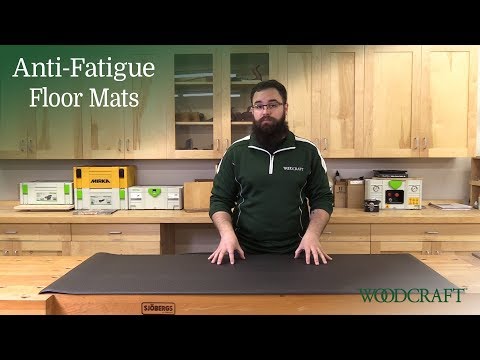
- The Mat Multiplier: A 3/4″ anti-fatigue mat effectively raises your working height. Place it only on your dominant side to create a micro-incline for better planing angles.
- Split-Level Secret: Cut your benchtop into two sections separated by a 2″-wide gap. Mount the planing section 2″ lower on independent legs—no complex mechanics needed.
- The 15-Minute Real-World Test: Clamp scrap wood at your proposed height. Plane, chisel, and assemble for 15 minutes. If you adjust your stance more than twice, the height is wrong. Record your comfort on a scale of 1-10—retest after modifications.
Final Note: Your perfect workbench height isn’t found in manuals—it’s measured from your own body. Start with the pinky test, validate with the forearm parallel check, then refine for your dominant tasks. Remember: A bench built 1″ too high can often be corrected with footwear or mats, but a 1″-too-low bench requires structural surgery. For shared workshops, standardize at 35″ with adjustable stools—this accommodates 90% of users between 5’4″ and 6’2″. Most importantly, test before you build: spend 20 minutes creating a mock-up with sawhorses and plywood. Your future self will thank you when you’re still working comfortably at 70. Ready to optimize? Measure your pinky height right now—it takes less time than sharpening a chisel.