That sinking feeling when you wash your hair but it still looks greasy by noon? You’re probably choosing shampoo wrong. Most people fixate on hair type—fine, curly, colored—but ignore the real foundation: your scalp. Your scalp isn’t just “hair roots”; it’s living skin that produces oil, sheds cells, and reacts to irritants. When you pick shampoo based on hair texture first, you sabotage your results before lathering up. This guide reveals why 90% of shampoo failures stem from mismatched scalp care—and exactly how to fix it. You’ll learn to diagnose your scalp’s true needs, decode misleading labels, and build a routine that actually works. No more guessing between “volumizing” or “hydrating” bottles. Let’s get to the root of the problem.
Stop Choosing Shampoo for Hair Type First
Your scalp and hair have completely different biological needs—and your products should too. Shampoo’s sole job is cleansing your scalp, not “fixing” your hair. Meanwhile, conditioner exists to protect the dead hair fiber from mid-lengths to ends. If you use a “moisturizing” shampoo on an oily scalp, you’re literally feeding the problem. Conversely, a clarifying shampoo on dry, flaky skin will worsen irritation. The fix? Adopt this rule immediately: Treat your scalp like facial skin—choose shampoo for its condition. Treat your hair like fabric—choose conditioner for its texture and damage level.
Why Scalp Diagnosis Trumps Hair Labels
Walk into any drugstore and you’ll see shelves labeled “For Curly Hair” or “Color Safe.” These are marketing traps. Your scalp doesn’t care if your hair is wavy or straight—it only responds to oiliness, dryness, or inflammation. A woman with oily scalp but curly hair needs a balancing shampoo plus a heavy conditioner. A man with fine hair but dandruff requires an anti-fungal shampoo plus a lightweight conditioner. The front label lies; the ingredient list tells the truth. Always prioritize scalp health first—healthy hair growth depends on it.
Diagnose Your Scalp Condition (The Shampoo’s Real Job)

Forget “normal,” “oily,” or “dry” hair types. Your shampoo must solve one specific scalp issue. Here’s how to identify yours—and the exact formulas that work.
Oily Scalp? Use Clarifying Shampoo (But Avoid These Ingredients)
If your roots look greasy within 24 hours of washing, your scalp overproduces oil. Never reach for “moisturizing” shampoos—they add fuel to the fire. Instead:
– Look for: Salicylic acid (0.5-2%), tea tree oil, or mint extracts. These gently dissolve oil without stripping.
– Avoid: Coconut oil, shea butter, or heavy silicones—they coat the scalp and worsen oiliness.
– Pro Tip: Massage shampoo only into your scalp for 60 seconds. Let suds rinse through hair ends—don’t lather the lengths. Over-washing hair strands causes breakage.
Flaky, Itchy Scalp? Target the Real Cause (Not Just Dandruff)
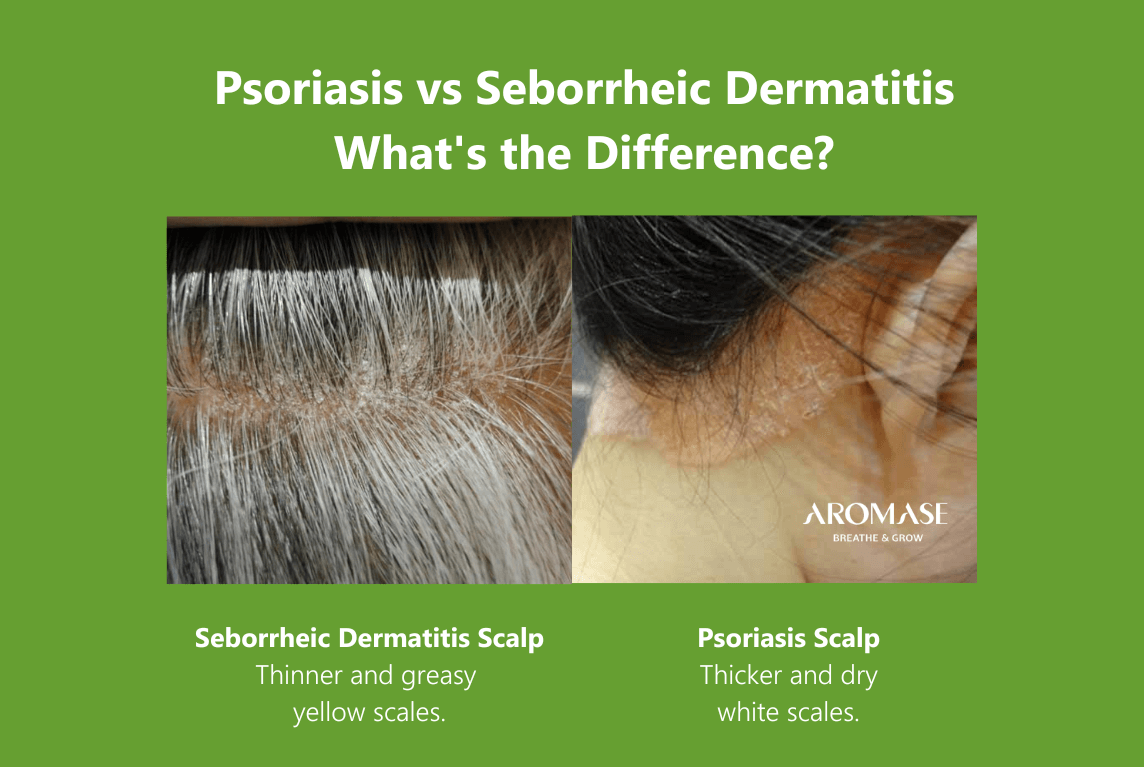
White flakes aren’t always dandruff—they could signal psoriasis, eczema, or fungal overgrowth. Match your shampoo to the culprit:
– Yeast-related dandruff (itchy, greasy flakes): Use zinc pyrithione shampoos (like Head & Shoulders) 2x/week. Leave on scalp 5 minutes before rinsing.
– Thick, silvery scales (psoriasis): Try coal tar shampoos (Neutrogena T/Gel) or salicylic acid to lift scales.
– Red, inflamed patches (seborrheic dermatitis): Ketoconazole 1% (Nizoral) kills fungus. Use 2x/week for 4 weeks.
Never just “scrub harder”—aggressive washing worsens inflammation.
Sensitive Scalp? Skip These 3 Irritants Immediately
If your scalp stings, burns, or breaks out in hives after shampooing, you’re reacting to common additives:
1. Sulfates (SLS/SLES): Harsh foaming agents that strip natural oils.
2. Fragrances: Top cause of allergic reactions—even “natural” scents.
3. Parabens: Preservatives linked to irritation.
Switch to: Fragrance-free, sulfate-free formulas with colloidal oatmeal or aloe vera. Patch-test behind your ear for 48 hours before full use.
Match Conditioner to Your Hair Type (Not Shampoo!)
Once your scalp is balanced, now address hair texture. Your conditioner should repair damage, add moisture, or boost volume—but never touch your scalp. Applying conditioner there causes greasy roots and clogged follicles.
Fine or Limp Hair? Avoid These Weighting Ingredients
| Hair Need | Must-Have Ingredients | Danger Zone Ingredients |
|---|---|---|
| Volume & lift | Rice protein, panthenol, caffeine | Dimethicone, shea butter, heavy oils |
| Lightweight moisture | Glycerin, hydrolyzed silk | Stearic acid, cetyl alcohol |
Critical move: Apply conditioner only from ear-level down. Fine hair soaks up product like a sponge—using it near roots flattens strands instantly. Rinse with cool water to seal cuticles and boost shine.
Curly or Coily Hair? Ditch the Shampoo Myth
Curly hair (Types 2-4) is chronically dry because sebum can’t travel down spiral strands. But sulfate shampoos destroy curl definition by stripping natural oils. Instead:
– Co-wash weekly: Use a sulfate-free cleansing conditioner (like As I Am Coconut CoWash). Massage only into scalp.
– Conditioner must-haves: Shea butter, agave nectar, and flaxseed for definition.
– Never use: High-alcohol gels or heavy waxes—they cause “cast” buildup that flakes like dandruff.
Pro Tip: Squeeze conditioner into hair in the shower before shampooing. This “pre-poo” shields strands from cleansing agents.
Build a Foolproof Shampoo Strategy (3-Step Routine)
One shampoo won’t solve all problems. Rotate these like skincare serums:
Clarify Monthly to Fix “Product Buildup”
Hard water minerals and silicone residue make hair feel straw-like. Do this:
1. Once monthly, use a chelating shampoo (Malibu C Hard Water Wellness) or apple cider vinegar rinse (1 part ACV : 4 parts water).
2. Massage into scalp for 2 minutes.
3. Follow with your regular conditioner—not a clarifying one.
Skip this step? Your “hydrating” shampoo stops working because buildup blocks moisture.
The 3-Shampoo Rotation for Perfect Results

| Shampoo Type | When to Use | Scalp/Hair Benefit |
|————–|————-|———————|
| Gentle daily (sulfate-free) | Every wash | Balances oil without stripping |
| Scalp-specific (anti-dandruff/clarifying) | 1-2x/week | Treats root cause of flakes/oil |
| Clarifying (chelating) | Monthly | Removes hard water/product buildup |
Never wash daily—over-cleansing triggers more oil production. Space washes 2-3 days apart.
4 Costly Shampoo Mistakes You’re Making
Mistake #1: Washing Hair Strands Like Soap
Shampoo belongs only on your scalp. Lathering it through hair ends:
– Strips protective oils from fragile ends
– Causes split ends and breakage
– Fix: Apply shampoo to scalp, massage, then let suds rinse down through lengths.
Mistake #2: Ignoring Water Hardness
Hard water leaves mineral buildup that makes fine hair limp and curly hair frizzy. Test your water:
– If lather is weak and hair feels “coated,” use a chelating shampoo monthly.
– Install a shower filter if your water has >7 grains per gallon hardness.
Mistake #3: Using Conditioner on Your Scalp
This is the #1 cause of persistent greasiness. Conditioner’s job is to smooth the hair shaft—not cleanse the scalp. Apply only from ears down.
Mistake #4: Skipping the Patch Test
New shampoo causing redness? It’s likely fragrance or sulfates. Always test:
1. Apply dime-sized amount to inner arm.
2. Wait 24 hours.
3. If no reaction, try on a small scalp section.
When to See a Dermatologist (Not Just Buy New Shampoo)
Over-the-counter shampoos fail when symptoms signal medical issues. Book an appointment if you have:
– Hair falling out in clumps (more than 100 strands/day)
– Bleeding sores, yellow crusts, or painful scalp bumps
– Flaking that spreads to eyebrows/eyelashes (sign of blepharitis)
– No improvement after 8 weeks of targeted shampoos
Dermatologists can prescribe ketoconazole 2% or corticosteroid solutions for severe cases—far stronger than drugstore options.
Your 4-Step Action Plan to Perfect Shampoo
-
Identify your scalp type today:
– Oily? → Clarifying shampoo with salicylic acid
– Flaky? → Zinc pyrithione shampoo
– Sensitive? → Fragrance-free, sulfate-free formula -
Match conditioner to hair’s needs:
– Fine hair? → Protein-rich, lightweight conditioner
– Curly hair? → Shea butter-based, silicone-free formula -
Add clarifying: Use ACV rinse or chelating shampoo monthly.
-
Test one product at a time: Give new shampoo 3 weeks minimum. Track changes in a notes app.
Stop letting marketing claims dictate your routine. Your scalp’s oil production, sensitivity, and flaking patterns are the only factors that matter for shampoo choice. By treating your scalp like the living skin it is—and your hair like the dead fiber it is—you’ll finally get results that last beyond rinse-out. The right shampoo won’t just clean; it’ll create the foundation for stronger growth, less breakage, and hair that looks healthy from root to tip. Ready to wash away the guesswork? Start with your scalp tonight.