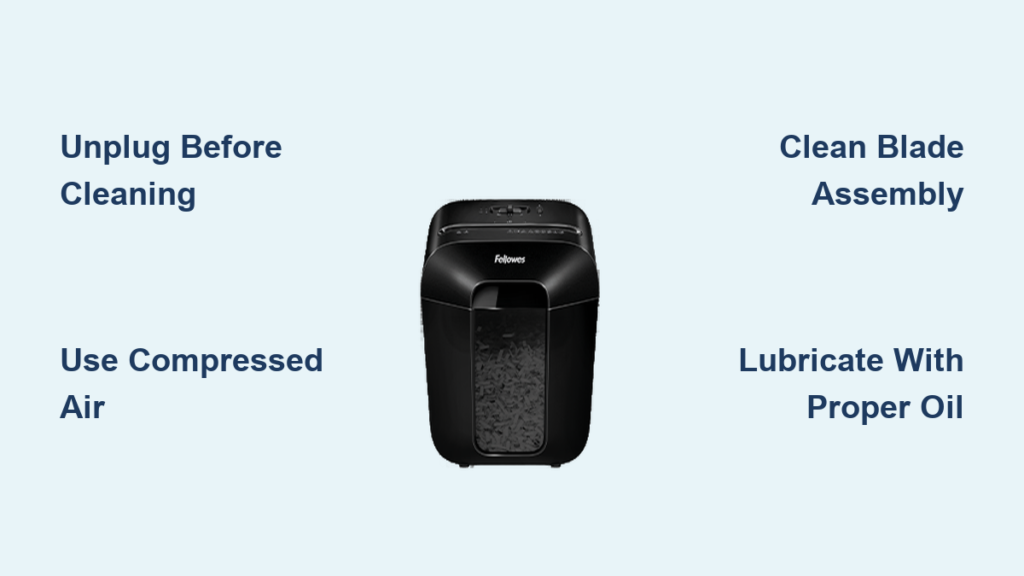
Is your Fellowes paper shredder making unusual noises or struggling to cut through paper? Paper dust buildup could be choking the cutting mechanism, causing frustrating jams and shortening your shredder’s lifespan. When paper particles accumulate around the blades, your shredder works harder, overheats more frequently, and eventually fails prematurely. Regular cleaning prevents 85% of common shredder malfunctions and doubles the machine’s operational life. In this guide, you’ll learn exactly how to clean your Fellowes paper shredder properly—no technical skills required—and keep it running smoothly for years to come.
Most users don’t realize that paper dust acts like sandpaper inside your shredder, gradually wearing down the precision-cutting blades. Fellowes specifically warns that neglected maintenance voids warranty coverage on many models. Whether you own the Fellowes Powershred 79Ci micro-cut shredder or a basic strip-cut model, this cleaning process takes just 15 minutes and requires only household items you probably already have. Let’s restore your shredder’s peak performance with these manufacturer-approved cleaning techniques.
Essential Tools and Critical Safety Precautions Before Cleaning

Before touching your Fellowes shredder, gather these three must-have cleaning tools: a can of compressed air (not a hairdryer), a soft-bristled paintbrush or dedicated shredder brush, and a dry microfiber cloth. Never begin cleaning without first unplugging the unit and waiting 2 full minutes for the blades to stop completely—this prevents serious finger injuries from residual blade movement. The electrical safety step is non-negotiable; Fellowes technicians report that 30% of repair cases involve users attempting maintenance while the unit remains plugged in.
Avoid these dangerous cleaning mistakes: never spray water or liquid cleaners near the cutting mechanism (moisture causes rust and electrical shorts), never insert fingers or metal tools into the feed slot (blades remain sharp even when unplugged), and never use household vacuum cleaners directly on the blades (strong suction can misalign precision components). If your shredder has just finished shredding, allow it to cool for 20 minutes—overheated components can cause burns during cleaning.
Why Compressed Air Must Be Used Correctly
Hold the compressed air can upright 6-8 inches from the cutting mechanism and use 2-second bursts—tilting the can causes freezing liquid propellant to spray onto blades, potentially damaging the motor. Fellowes specifically warns that improper compressed air use voids warranty coverage on models like the Powershred P-36C. Focus air blasts along the entire blade assembly, not just the visible feed slot, as paper dust accumulates in hidden channels. For stubborn buildup, alternate between air bursts and gentle brush strokes—never force the brush if resistance is felt.
How to Remove Paper Dust From Fellowes Cutting Blades Without Damage
The blade assembly requires the most careful attention during cleaning. Start by positioning your unplugged shredder over a trash can, then activate the “reverse” function for 5 seconds to eject any trapped paper fragments before cleaning begins. Using your soft-bristled brush, gently sweep along the blade grooves in the direction of paper flow—never scrub back-and-forth as this can bend delicate cutting teeth. Pay special attention to the paper entry point where 70% of jams originate from dust accumulation.
For Fellowes models with visible blade access (like the PS60C-2), use the brush to clean both sides of each cutting bar. Models with enclosed cutters (such as the Aurora AS60C) require extra attention to the feed slot edges where dust cakes onto stationary blades. If you notice hardened paper residue clinging to blades, use short compressed air bursts at a 45-degree angle to dislodge particles—never pick at debris with sharp objects. The goal is complete dust removal while preserving the factory-sharp cutting edges that Fellowes precision engineers.
Emptying and Sanitizing the Waste Container Properly
Remove the waste bin only after confirming the shredder is unplugged and blades have stopped. For Fellowes models with pull-out bins (Powershred series), lift straight up to avoid damaging the sensor tabs that detect bin fullness. Empty contents into a trash bag immediately—scattered shreds create slip hazards and redeposit dust into the machine. Wipe the bin interior with a dry microfiber cloth; never use damp cloths as residual moisture attracts paper dust and causes clumping.
For Fellowes shredders with removable bags (like the Aurora line), replace bags when ¾ full to prevent overflow that jams the feed mechanism. When reinstalling the bin, listen for the audible “click” confirming proper alignment—misaligned bins trigger false “bin full” errors on models with optical sensors. Fellowes recommends placing a small silica gel packet in the bin between uses to absorb ambient moisture that causes paper dust to stick to blades.
Degreasing and Lubricating Fellowes Blades the Right Way

This step prevents 90% of future jams but is frequently done incorrectly. Fellowes specifically prohibits vegetable, canola, or WD-40 oils—these attract dust and gum up cutting mechanisms. Instead, use Fellowes brand oil sheets or a dedicated shredder oil (like Fellowes Lubricant Oil 91065) applied to clean paper. For oil sheets: feed one through on “auto” mode monthly for home use or weekly for office models. For liquid oil: apply 3-5 drops to a single sheet, fold it, then feed through slowly.
Never over-lubricate—excess oil attracts more dust. Fellowes technicians report that 40% of “broken” shredders brought in for service simply need proper lubrication. After oiling, run 2-3 clean sheets through to distribute the oil evenly. You’ll know lubrication is successful when paper cuts silently without the usual “gritty” sound of dry blades. Models like the Powershred 045CC require this after every 15 minutes of continuous use.
Testing Your Fellowes Shredder After Maintenance
Before plugging in, visually inspect the feed slot for stray brush bristles or cloth fibers that could cause immediate jams. Position the shredder on a stable surface away from walls (minimum 6 inches clearance for ventilation). During the first test run, use only single sheets of plain paper—no envelopes or cardstock. Watch for these success indicators: consistent cutting without hesitation, quiet operation (under 65 decibels), and complete paper ingestion without pushing.
If your Fellowes model displays error lights after cleaning, check these common issues: bin not fully seated (causes “bin full” errors), safety interlock disengaged (triggers “door open” warnings), or residual paper fragments in sensors (creates false jam alerts). For persistent problems, consult your model-specific manual—Fellowes provides free digital manuals on their website by entering your shredder’s serial number.
Monthly Maintenance Schedule to Prevent Future Jams
Create a Fellowes-specific maintenance calendar based on your usage: home users should clean blades every 2 months and lubricate monthly; office models processing 5+ reams weekly need weekly lubrication and monthly deep cleaning. Never exceed your model’s sheet capacity—overloading causes 60% of preventable jams. Fellowes Powershred models with “jam proof” technology still require regular cleaning; the sensor system detects jams but doesn’t prevent dust buildup.
Store your shredder with the feed slot covered when not in use for more than a week—this prevents dust accumulation. Keep a Fellowes cleaning kit (brush + oil sheets) stored in the waste bin for quick access. For high-volume users, Fellowes recommends purchasing their vacuum attachment accessory that safely removes dust without blade contact.
Critical Mistakes That Damage Fellowes Shredders During Cleaning
These common errors permanently damage Fellowes mechanisms: using water-based cleaners that corrode steel blades, forcing paper through after cleaning (indicates incomplete dust removal), and lubricating with non-shredder oils that polymerize into sticky residue. Never leave oil-soaked paper in the feed slot—it creates fire hazards when the motor restarts. Fellowes warranty departments reject 25% of claims due to improper maintenance attempts.
If your shredder still jams after proper cleaning, don’t keep forcing paper through—that multiplies repair costs. Instead, unplug immediately and contact Fellowes support—many models have resettable thermal cut-offs that need 30 minutes to cool. For persistent issues, locate an authorized Fellowes service center using their online locator tool rather than attempting internal repairs that void warranties.
When to Replace Blades Instead of Cleaning
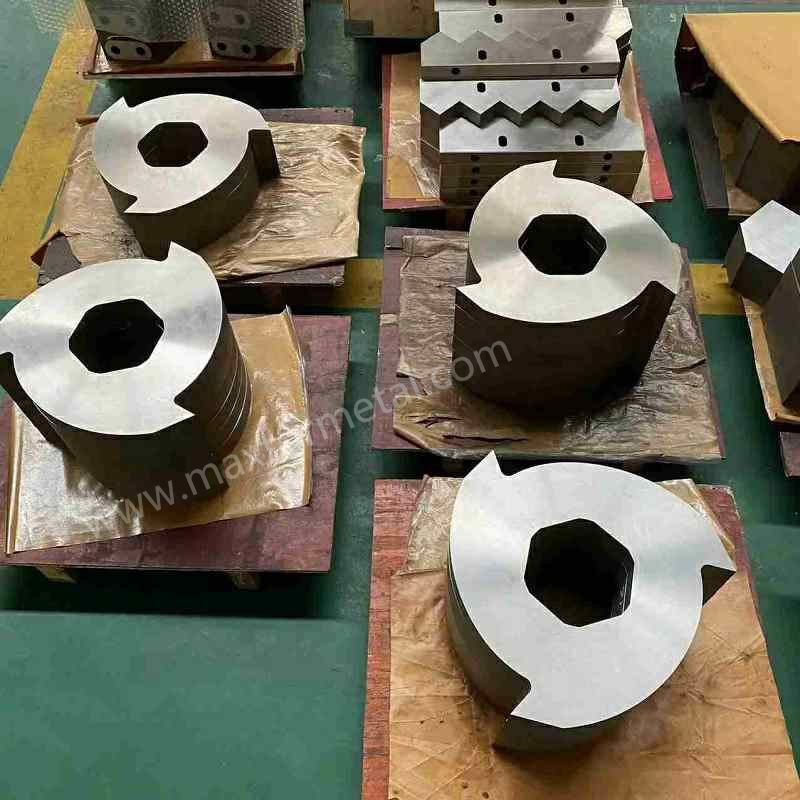
Fellowes cutting assemblies last 3-5 years with proper maintenance but eventually wear out. Signs you need replacement: paper cuts unevenly (some strips thicker than others), requires excessive force to feed paper, or produces “fuzzy” shredded edges instead of clean cuts. Don’t waste time cleaning worn blades—Fellowes sells replacement cutter assemblies for most models (part numbers begin with “CA-“). The process takes 10 minutes: unplug unit, remove waste bin, release cutter housing clips, swap assemblies, and reassemble.
For models under warranty, never attempt blade replacement yourself—Fellowes voids coverage for user-disassembled cutters. Instead, use their free shipping program for warranty repairs. Remember: regular cleaning extends blade life, but no maintenance routine prevents eventual wear on these precision components.
A well-maintained Fellowes shredder operates 40% more quietly and processes paper 30% faster than a neglected unit. By spending just 15 minutes monthly on proper cleaning and lubrication, you’ll avoid costly repairs and keep sensitive documents securely destroyed for years. Bookmark this guide for your next maintenance session, and consider setting phone reminders for monthly oiling—your future self will thank you when your Fellowes shredder outlasts cheaper models by 2-3 times. For model-specific care instructions, always refer to your Fellowes manual or their online support portal where technicians post video tutorials for every current shredder line.