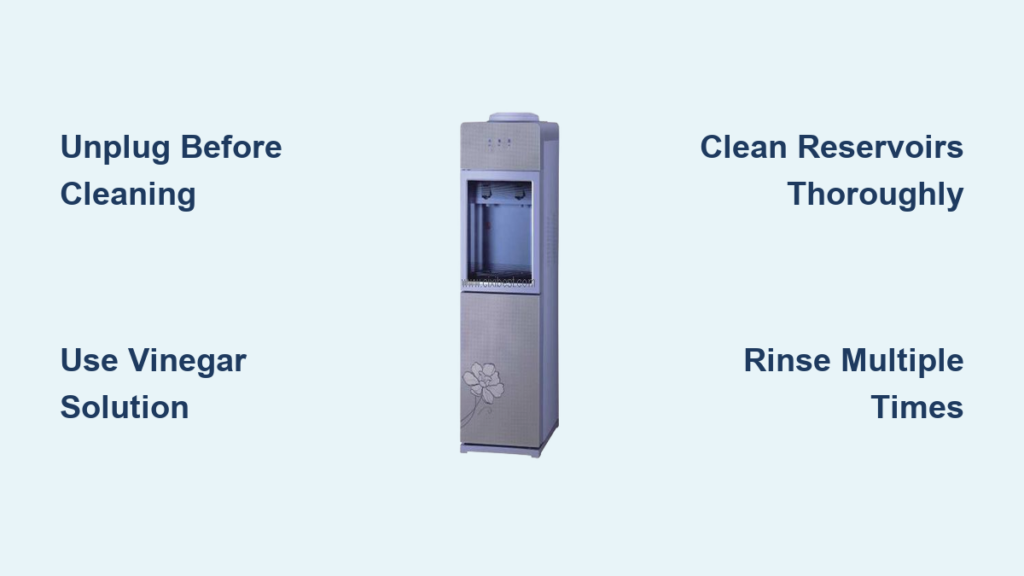
Water coolers are essential appliances in homes and offices, but when your Nestlé water dispenser starts showing cloudy water or strange odors, it’s time for a thorough cleaning. Neglecting regular maintenance can lead to bacterial growth in your drinking water, potentially causing health issues for you and your family. If you’ve noticed reduced water flow, visible mineral deposits, or an unusual taste in your water, these are clear signs your Nestlé cooler needs attention. In this guide, you’ll learn the proper step-by-step process to safely clean your Nestlé water cooler, including the right cleaning solutions to use, how often to maintain it, and common mistakes to avoid that could damage your unit.
Essential Pre-Cleaning Safety Measures for Your Water Cooler
Before touching any components of your Nestlé water cooler, proper safety preparation is critical to protect both you and the appliance. Always unplug the unit from the electrical outlet to prevent any electrical hazards during cleaning – this is non-negotiable regardless of whether your model has hot and cold functions. Next, remove any water bottles from the top of the dispenser and empty all existing water from both the hot and cold reservoirs into a large container. Place towels around the base of the unit to catch any accidental spills that might occur during disassembly. If your cooler has been running, allow it to sit unplugged for at least 30 minutes to ensure all components have cooled down, especially if you’ll be working near the heating elements.
What Cleaning Supplies You Actually Need for Nestlé Coolers
The right cleaning solution makes all the difference in effectively sanitizing without damaging your water cooler. For Nestlé models, you’ll need white vinegar (not apple cider or other types), clean microfiber cloths, a soft-bristled bottle brush, and clean water for rinsing. Avoid harsh chemicals like bleach, ammonia, or commercial cleaners unless specifically approved by Nestlé in their documentation, as these can leave dangerous residues in your drinking water or damage internal seals. Prepare a cleaning solution of one part white vinegar to three parts water – this ratio effectively breaks down mineral deposits without being overly corrosive to plastic components. Have several large containers ready for draining and refilling reservoirs during the cleaning process.
Step-by-Step Internal Cleaning Procedure for Nestlé Water Dispensers
Cleaning the internal water pathways is where most contamination occurs, so this process requires careful attention to detail. Start by locating the drain spigots at the base of your Nestlé cooler (if equipped) or prepare to remove the drip tray for access. Open both hot and cold water taps fully and allow the vinegar solution to flow through the system for at least two minutes, capturing the流出 liquid in your container. For models without drain spigots, you’ll need to repeatedly fill the reservoirs with cleaning solution and dispense through the taps until the vinegar scent is prominent. After circulating the solution, close the taps and let the vinegar mixture sit in the system for 20-30 minutes to break down biofilm and mineral deposits. Never exceed 30 minutes as prolonged vinegar exposure can degrade certain plastic components in Nestlé models.
How to Properly Clean the Reservoirs and Water Tanks
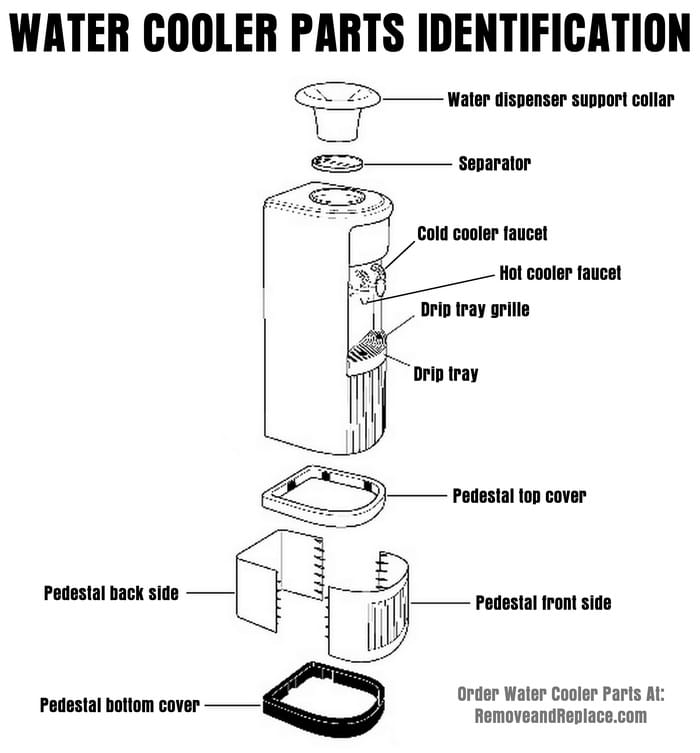
The reservoirs are breeding grounds for bacteria if not cleaned regularly, so thorough attention here is crucial for safe drinking water. Most Nestlé coolers require you to remove the top panel to access the internal reservoirs – consult your specific model’s manual for exact disassembly instructions. Using your bottle brush dipped in vinegar solution, gently scrub all accessible interior surfaces of both hot and cold reservoirs, paying special attention to corners where sediment accumulates. For hard-to-reach areas, use a folded cloth wrapped around the end of a chopstick or similar tool. After scrubbing, thoroughly rinse each reservoir with clean water at least three times before reinstallation. Check for any remaining vinegar odor – if present, continue rinsing until the plastic no longer retains the scent.
External Component Cleaning: Drip Tray, Spigots and Exterior Surfaces

While internal cleaning addresses water quality, external components require separate attention to prevent contamination from surface bacteria. Begin with the drip tray, which should be removed according to your model’s specifications (most Nestlé units have a slide-out tray beneath the spigots). Soak the tray in warm soapy water for 10 minutes, then use a soft brush to remove any mineral buildup or stains before rinsing thoroughly. For the spigots themselves, dip a cotton swab in vinegar solution and carefully clean around the openings where hands frequently touch – this is a major contamination point. Wipe down the entire exterior surface with a vinegar-dampened cloth, then follow with a clean water cloth to remove any residue. Never spray cleaning solutions directly onto the unit as liquid could seep into electrical components.
Why Your Nestlé Cooler Still Smells After Cleaning (And How to Fix It)
If your water cooler continues to emit unpleasant odors after proper cleaning, you likely have persistent biofilm in hard-to-reach areas. Biofilm is a slimy layer of microorganisms that adheres to plastic surfaces and requires more aggressive treatment than standard vinegar cleaning. For this situation, prepare a stronger solution of one part hydrogen peroxide (3%) to four parts water and run it through the system following the same circulation process as with vinegar. Let it sit for 15 minutes only, then flush thoroughly with clean water at least five times. If odors persist after this treatment, contact Nestlé customer support as you may need professional servicing – continuing to use ineffective home remedies could damage seals or create chemical residues.
Recommended Cleaning Schedule Based on Usage Patterns
How often you clean your Nestlé water cooler depends significantly on usage and environmental factors. For home use with 1-2 people, perform a full cleaning every 6-8 weeks. Office environments with 5+ users require cleaning every 4-6 weeks due to higher usage and more frequent hand contact with spigots. In areas with hard water (high mineral content), increase cleaning frequency by 25-30% as mineral deposits accumulate faster. Always perform a quick external wipe-down with a disinfectant cloth daily in high-traffic environments. After any extended period of disuse (more than two weeks), thoroughly clean the unit before resuming use to prevent stagnant water issues.
Common Mistakes That Damage Nestlé Water Coolers During Cleaning
Many well-intentioned users accidentally damage their coolers by making preventable errors during cleaning. The most frequent mistake is using abrasive scrubbers on plastic reservoirs, which creates micro-scratches where bacteria can later hide. Another critical error is insufficient rinsing after cleaning – vinegar or other solutions left in the system can affect water taste and potentially degrade components over time. Some users mistakenly clean while the unit is still plugged in, creating serious electrical hazards. Never submerge any electrical components in water, and avoid using excessive force when disassembling parts as Nestlé coolers have delicate internal connections that can break easily.
Final Steps: Testing and Maintenance After Cleaning Your Nestlé Cooler
After completing the cleaning process, proper testing ensures your unit functions correctly and provides safe drinking water. Reassemble all components carefully according to manufacturer specifications, then plug in the unit and allow it to reach operating temperature (this takes about 15 minutes for cold water and 20-30 minutes for hot). Run at least three full pitchers of clean water through both hot and cold taps to ensure all cleaning solution residues are flushed from the system. Check for proper water flow from both taps and listen for any unusual sounds that might indicate air pockets or blockages. Finally, refill with a fresh Nestlé water bottle and test the water for taste and clarity before regular use.
Preventing Future Buildup: Daily Habits for Cleaner Water
Maintaining clean water between deep cleaning sessions requires simple daily habits that take minimal effort. Always use clean hands when handling the spigots or changing water bottles to prevent transferring bacteria into the system. Place a clean cup under the spigot before dispensing to catch initial water that may contain settled particles. Keep the area around your cooler clean and dust-free, as airborne particles can enter through the bottle opening. Consider using a bottle cover when not in use to prevent dust accumulation. These small habits significantly reduce the frequency of deep cleaning needed while ensuring consistently fresh-tasting water.
Regular maintenance of your Nestlé water cooler isn’t just about taste – it’s a critical health consideration for everyone who drinks from it. By following this proper cleaning schedule and technique, you’ll extend the life of your appliance while ensuring the water remains safe and refreshing. Remember that consistent, moderate cleaning is far more effective than occasional aggressive treatments that might damage your unit. If you encounter issues beyond basic maintenance, always consult Nestlé’s official support resources rather than attempting advanced repairs that could void your warranty. A clean water cooler means cleaner, safer hydration for you and everyone who uses it.