You just made your morning kale smoothie in your Ninja Auto-IQ blender, but now you’re staring at stubborn green streaks clinging to the pitcher walls. That lingering avocado smell? It’s not just in your head—residue builds fast when you skip proper cleaning. The good news? A systematic 30-second routine prevents hours of scrubbing later, keeps your blender smelling fresh, and protects your investment. In this guide, you’ll master daily cleans, tackle stubborn stains, and avoid the #1 mistake that voids warranties: submerging the motor base.
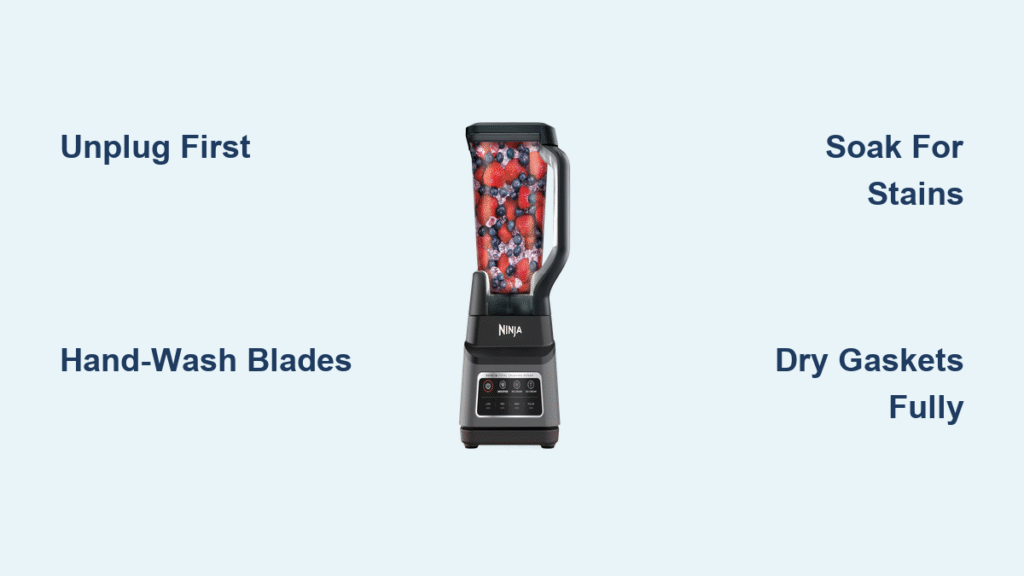
Unplug Before You Touch: Critical Safety Steps
Never skip this step—your Ninja Auto-IQ’s motor base contains sensitive circuitry that fails permanently if water seeps inside. Unplug the unit from the wall before removing any components. If you blended hot soup or sauces, wait 30 minutes for parts to cool completely. Hot plastic warps when rinsed with cold water, creating gaps where bacteria hide.
Blade assembly requires extreme caution. Even when blades look dull, they’re sharp enough to slice skin. Always grip the pitcher firmly when twisting the blade counterclockwise for removal. Store blades point-down in a designated container away from children—never toss them loose in a sink.
Identify Dishwasher-Safe Parts vs. Hand-Wash Only Zones
Your Ninja Auto-IQ has six key components, but only three belong in the dishwasher. The pitcher, single-serve cups, and lids are dishwasher-safe only on the top rack due to their Eastman Tritan copolyester construction (heat-resistant up to 180°F). Place them upside-down to prevent water pooling.
Hand-wash these critical items:
– Motor base (wiping only—never immerse)
– Gasket seals (silicone rings under lids and pitchers)
– Blade assemblies (including bearings)
– Center caps (the removable lid inserts)
Using the dishwasher’s bottom rack or exceeding 150°F water temperature warps plastic components, causing leaks during blending.
30-Second Daily Clean That Prevents Buildup
Do this immediately after pouring your smoothie:
1. Fill the pitcher halfway with warm water and 2 drops of dish soap
2. Secure the lid and pulse 5 times on “Low”—this dislodges residue before it dries
3. Rinse under running water while wiping the pitcher interior with a non-abrasive sponge
4. Invert all parts on a drying rack—never towel-dry, as lint traps odors
Pro Tip: Skip soap for fruit smoothies. Fill the pitcher with warm water and lemon wedges, then pulse for 20 seconds. Citric acid neutralizes odors without residue.
When Kale Sticks Like Concrete
For dried-on greens or nut butter:
– Soak the pitcher in hot water + 1 tbsp baking soda for 20 minutes
– Scrub with a bottle brush (never steel wool—it scratches plastic, creating stain traps)
– Target the blade shaft base where residue hides—use a cotton swab dipped in vinegar
Deep Clean Blades Without Damaging Them
Safe Blade Removal Process
Hold the pitcher firmly on the counter. Twist the blade assembly counterclockwise while pressing down—never lift it vertically. Separate the blade tower from the gasket seal by wiggling gently side-to-side.
Sanitize without rust:
1. Soak blades in 1 gallon water + 1 tbsp bleach for exactly 2 minutes
2. Rinse under running water for 30 seconds
3. Air-dry blade-side up on a towel for 2+ hours (prevents moisture pooling)
Never soak blades overnight—prolonged water exposure corrodes the metal bearings. If blades feel gritty during blending, replace them immediately (Ninja part # BL660).
Eliminate Garlic Smell From Gaskets
That lingering onion odor? It’s trapped in your silicone gaskets. Remove them from pitcher lids and inspect for cracks—replace if stiff or discolored. Soak gaskets in warm water + 2 tbsp baking soda for 1 hour, then scrub crevices with a toothpick.
Critical mistake: Skipping gasket drying. Moisture between the gasket and lid breeds mildew. After washing, stretch gaskets into a circle and hang them to dry overnight—this maintains their seal integrity.
Motor Base Cleaning That Won’t Kill Electronics
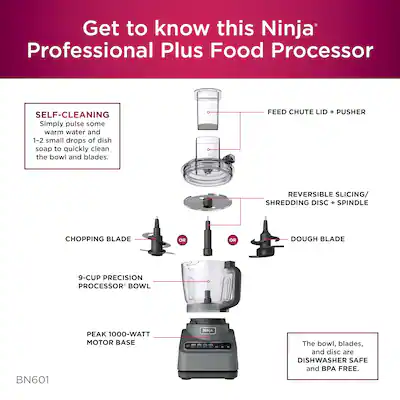
Wipe spills immediately with a microfiber cloth—liquid seeping into vents causes short circuits. For dried splatters:
1. Dampen a cloth with water + mild soap (never spray directly)
2. Wipe control panel buttons with a cotton swab dipped in isopropyl alcohol
3. Clear dust from side vents using compressed air held 6 inches away
Never use vinegar or bleach on the motor base—these corrode electrical contacts. If the base smells burnt after cleaning, unplug it and contact Ninja support—this indicates internal damage.
Dishwasher Hacks That Prevent Warping
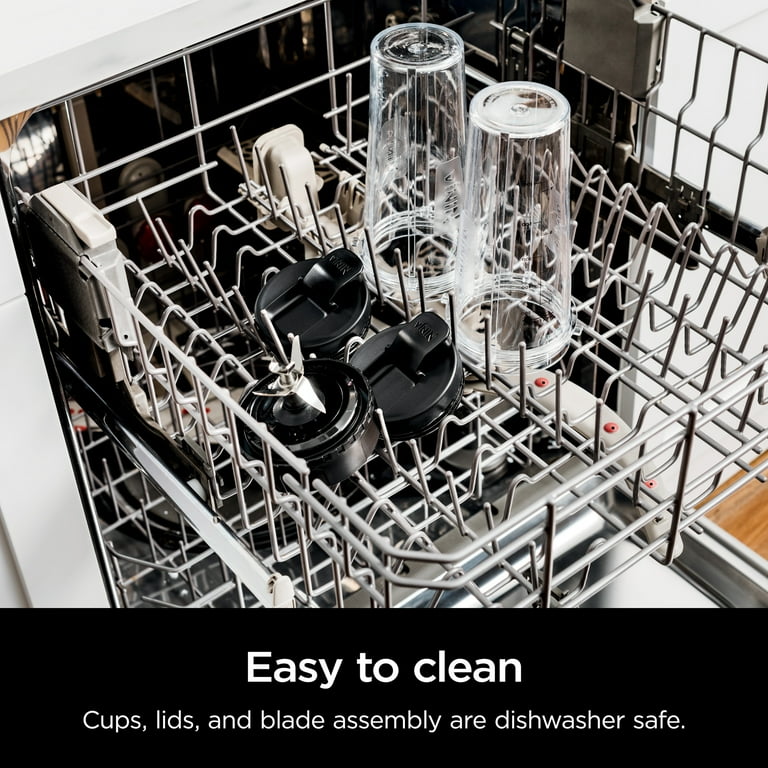
Place pitchers upside-down on the top rack with lids resting beside them (not stacked inside). Use phosphate-free detergent like Seventh Generation—phosphates cloud Tritan plastic over time. Run only “Delicate” or “Normal” cycles; “Heavy Duty” settings exceed safe temperatures.
Test for warping: After drying, fill the pitcher with water and check for leaks where the blade attaches. Warped bases won’t seal properly, risking leaks during blending.
Odor-Killing Tricks That Actually Work
For Sour Milk Smells
Fill the pitcher with equal parts water and white vinegar. Let sit for 45 minutes, then scrub with a baking soda paste (3:1 ratio). Vinegar dissolves protein films causing odors.
When Coffee Grounds Fail
For stubborn garlic/onion smells:
1. Place activated charcoal briquettes in the dry pitcher
2. Seal with the lid and leave overnight
3. Charcoal absorbs odors without adding its own scent
Pro Tip: Store pitchers with lids slightly ajar—sealed containers trap moisture, creating that “wet dog” smell.
Monthly Maintenance That Extends Lifespan
The 15-Minute Deep Clean
- Disassemble all components (blades, gaskets, lids)
- Soak gaskets in hot water + 1 tsp baking soda for 10 minutes
- Scrub pitcher interior with a non-scratch nylon brush
- Wipe motor base vents with a dry toothbrush
- Apply food-grade silicone lubricant to gaskets (prevents cracking)
Replace gaskets every 6 months—even if they look fine. Worn seals cause leaks and void warranties if liquid damages the motor base.
Critical Warranty-Killing Mistakes
Ninja voids warranties for:
– Dishwasher damage from bottom-rack washing
– Rust on blades from inadequate drying
– Cracks in pitchers from boiling water exposure
Document your cleaning: Snap a photo of your maintenance log (e.g., “Blade sanitized: 05/15”). If claiming warranty, Ninja may require proof of proper care. Never use oven cleaner or oven-safe methods—Tritan plastic degrades above 180°F.
Store Your Blender for Peak Performance
Before storing:
– Ensure all parts are bone-dry (use a fan for 10 minutes if needed)
– Place blades point-down in a padded container
– Store pitchers upright with lids off
– Keep the motor base in a cool, dry place away from stoves
For vacations, do a final sanitization: Run 1 cup vinegar + 2 cups water on “Clean” cycle, then air-dry for 24 hours. This prevents mold in hidden crevices.
Your Ninja Auto-IQ blender powers through frozen fruit and ice, but only if you protect its weak points: the motor base and gaskets. Stick to the 30-second daily rinse, hand-wash blades properly, and replace gaskets twice a year. You’ll avoid 90% of cleaning disasters—and never taste last week’s garlic in tomorrow’s smoothie. Remember: When in doubt, skip the dishwasher for blades and gaskets. Your warranty (and morning routine) will thank you.