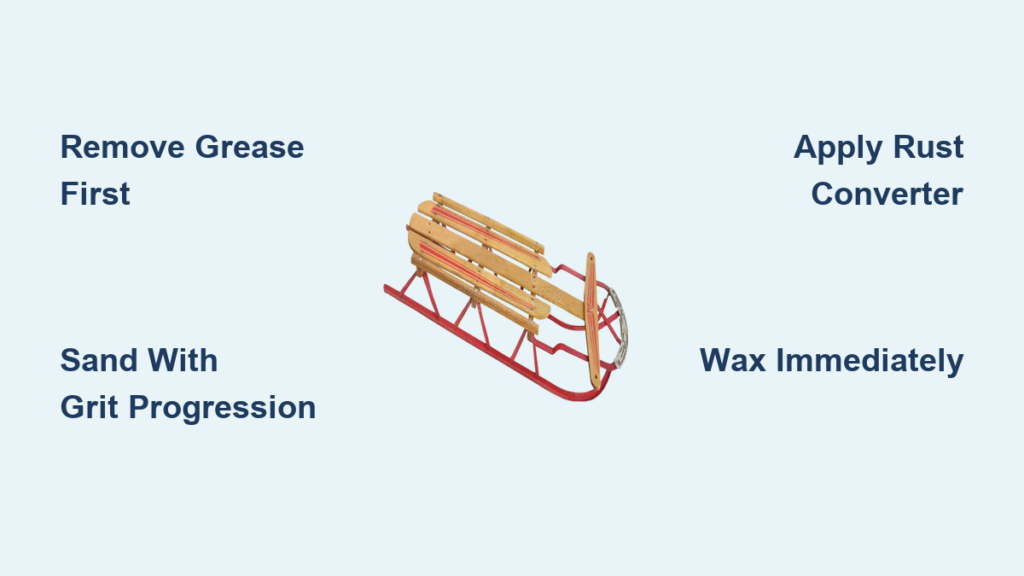
That first snowfall calls for sledding, but nothing kills the fun faster than rusty sled runners grinding to a halt. When oxidation takes hold, your once-smooth glide turns into a sluggish crawl that damages snow surfaces and frustrates riders. Rusty sled runners compromise safety by creating uneven traction and hidden weak spots. The good news? You can revive them to like-new condition with basic tools and this proven method. In just 90 minutes, you’ll transform pitted metal into a friction-free surface that slices through snow. This guide delivers the exact process I’ve used for over a decade to keep vintage sleds racing down hills.
Essential Safety Gear and Workspace Setup
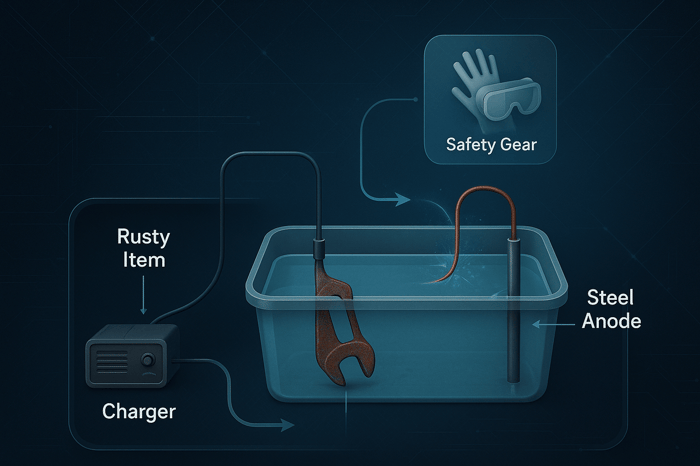
Skipping safety steps risks serious injury when tackling sled rust. Metal fragments fly during cleaning, and chemical fumes can cause respiratory damage without proper protection. Your workspace directly impacts results – working outdoors on concrete ensures ventilation while preventing chemical seepage into wood surfaces.
Critical Safety Equipment Checklist
Eye Protection: Wear ANSI Z87.1-rated safety goggles (not glasses). Rust particles can embed in corneas during wire brushing.
Hand Protection: Use nitrile-coated work gloves rated for chemical resistance. Standard cotton gloves won’t stop phosphoric acid burns from rust converters.
Respiratory Gear: For chemical treatments, wear an N95 mask minimum. When using converters or removers, upgrade to a respirator with organic vapor cartridges.
Work Surface: Cover concrete with cardboard – never work on wooden surfaces where runoff can cause staining. Elevate sled 18″ on sawhorses for ergonomic access.
Must-Have Tools for Rust Removal
Gather these before starting to avoid mid-process delays:
– Stiff brass wire brush (softer than steel to prevent gouging)
– Sandpaper assortment (80-grit for heavy rust, 220-grit for smoothing, 400-grit for polishing)
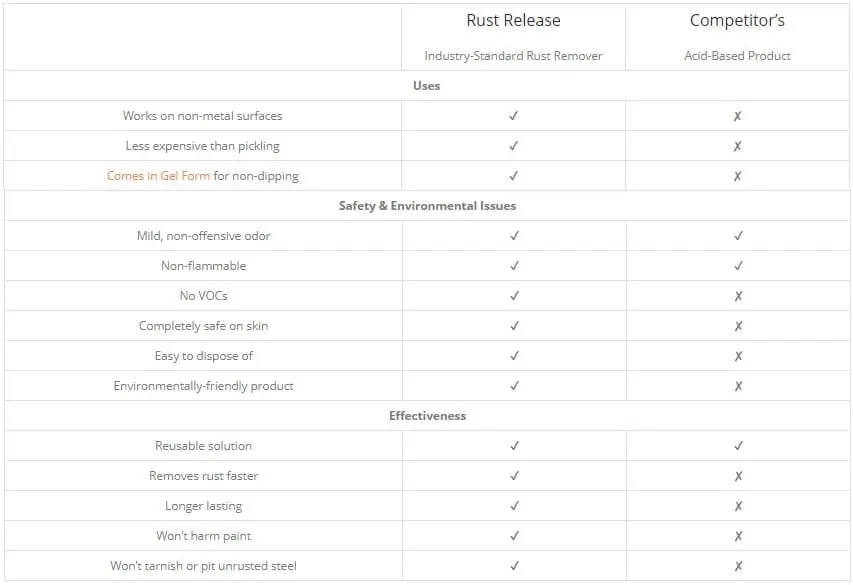
– Rust converter gel (phosphoric acid-based like Ospho)
– Degreaser (trisodium phosphate or Simple Green Pro HD)
– Carnauba wax paste and microfiber cloths
– Old toothbrush for crevice cleaning
– Plastic putty knife for rust testing
Diagnosing Rust Severity on Sled Runners

Your treatment approach depends entirely on rust depth. Lay the sled upside down on sawhorses and examine runners with a flashlight. Light surface rust appears as orange dust that wipes off with a cloth. Moderate rust forms flaky patches where the metal grain remains intact beneath. Severe rust creates deep pits or “canyons” where metal has eroded significantly.
The Putty Knife Test
Scrape firmly along the runner’s length with a plastic putty knife:
– If rust flakes off cleanly leaving smooth metal → light rust (abrasives only needed)
– If rust lifts but exposes pitted areas → moderate rust (requires converter treatment)
– If metal crumbles or leaves jagged holes → severe rust (may need professional welding)
Critical Warning: Skip areas with structural weakness. If rust penetrates 20%+ of the runner’s thickness, replacement is safer than repair. For vintage sleds, photograph damaged sections before proceeding.
Step-by-Step Rust Removal Process
Remove Grease and Debris Before Treatment
Grease traps moisture against metal, accelerating rust recurrence. Start by wiping runners with mineral spirits to dissolve old wax or oil. Mix 1 cup TSP with 2 gallons warm water in a bucket. Scrub vigorously with a stiff-bristled brush, focusing on runner edges where dirt accumulates. Rinse thoroughly with clean water – any residue will block rust treatment. Pro Tip: Use an old toothbrush dipped in acetone for stubborn grime in rivet holes. Air-dry completely for 2 hours; moisture compromises all subsequent steps.
Choose Your Rust Removal Method by Severity
For Light Surface Rust (Most Common)
Wrap 120-grit sandpaper around a sanding block. Sand with the runner’s length (never crosswise) using firm, even strokes. Progress to 220-grit to eliminate scratches. Finish with 400-grit dry sanding until metal shines uniformly. This takes 15-20 minutes per runner. Key Mistake: Rushing grit progression leaves deep scratches that trap moisture.
For Moderate to Heavy Rust
Apply rust converter gel liberally to affected areas. It reacts within 15 minutes, turning rust black as it converts iron oxide to stable iron tannate. Wait 24 hours for full curing, then sand lightly with 220-grit paper. Critical Step: Never skip converter treatment on pitted areas – bare metal in pits will re-rust within days. For crevices, use a cotton swab to apply gel precisely.
Neutralize and Polish After Rust Removal
Chemical residues accelerate new rust if not removed. After sanding, wipe runners with a cloth dampened in white vinegar to neutralize phosphoric acid. Follow with mineral spirits to remove any oils. For competition-level smoothness:
1. Wet-sand with 600-grit paper using soapy water lubricant
2. Polish with jeweler’s rouge on a soft cloth
3. Buff with carnauba wax using circular motions
Visual Cue: Run your palm along the runner. It should feel like glass with zero snags. Any roughness indicates remaining rust pockets.
Apply Protective Coating Within 1 Hour
Bare steel oxidizes in humid air within 60 minutes. Apply carnauba wax paste immediately after polishing:
1. Rub a thin coat onto runners with microfiber cloth
2. Let haze for 10 minutes (no pooling)
3. Buff vigorously until mirror-like shine appears
Why Wax Beats Paint: Paint chips during high-speed runs, exposing metal. Wax creates a sacrificial barrier that sheds snow cleanly. For salted roads, add Boeshield T-9 spray after waxing – its waxy resin repels chloride ions.
Preventing Rust Recurrence After Cleaning
Proper storage determines how long your restoration lasts. Always store sleds vertically to prevent moisture pooling on runners. Season-End Protocol:
– Wipe runners with silicone spray before storage
– Place moisture-absorbing packets inside storage bags
– Cover with breathable cotton sheet (never plastic tarps)
Mid-Season Maintenance: After sledding in wet snow, dry runners with a towel within 30 minutes. Reapply wax if you see white oxidation spots. For vintage steel runners, rub with 3-in-1 oil monthly during winter.
Troubleshooting Common Rust Removal Failures
Rust Returns Within Days:
You missed degreasing. Oil seals moisture against metal. Strip wax with acetone and restart from Step 1.
Wax Won’t Adhere:
Residual rust converter remains. Neutralize with vinegar, then wipe with mineral spirits before reapplying.
Uneven Runner Texture:
You sanded crosswise, creating grooves that catch snow. Repolish with 400-grit paper along the runner’s length only.
Critical Warning: Never use steel wool on aluminum runners – it embeds iron particles causing galvanic corrosion. Stick to nylon brushes for non-ferrous metals.
Final Note: Properly cleaned sled runners last 3-5 seasons with seasonal maintenance. Remember: wax application is non-negotiable after rust removal – it’s the difference between a 10-minute fix and permanent restoration. Store your sled elevated in a dry garage, and always wipe runners after wet runs. This simple routine ensures your vintage Flexible Flyer or modern plastic sled delivers that heart-pounding rush down the hill for years. Grab your tools now – the next snowstorm won’t wait.