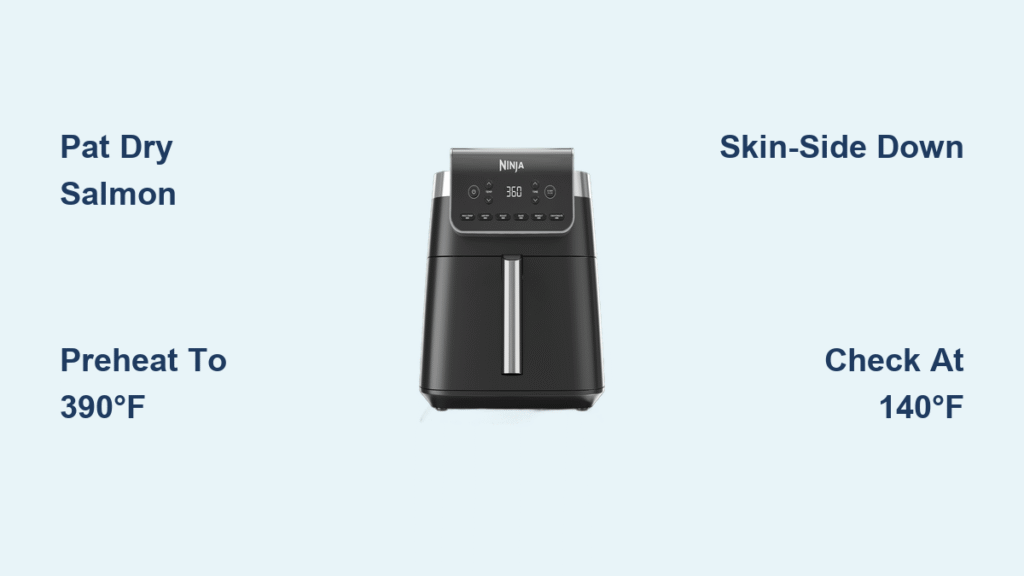
Picture this: you’re craving restaurant-quality salmon but dread the greasy cleanup of pan-searing or the dryness of overcooked oven-baked fish. Your Ninja air fryer holds the solution—transforming fresh or frozen fillets into crispy-edged, tender-center perfection in under 15 minutes. This method locks in heart-healthy omega-3s while delivering that coveted golden crust, all with zero splatter. Forget complicated techniques; you’ll master foolproof salmon with just five essential steps and your Ninja’s powerful convection system.
Whether you’re meal-prepping for keto lunches or hosting a weeknight dinner party, this guide eliminates guesswork. I’ll show you exactly how to avoid the #1 mistake (moisture on the skin!) and reveal the precise timing for 4-ounce versus 7-ounce fillets. Get ready for salmon that flakes effortlessly yet stays succulent—no more rubbery leftovers or wasted groceries.
Essential Ninja Air Fryer Setup for Flawless Salmon
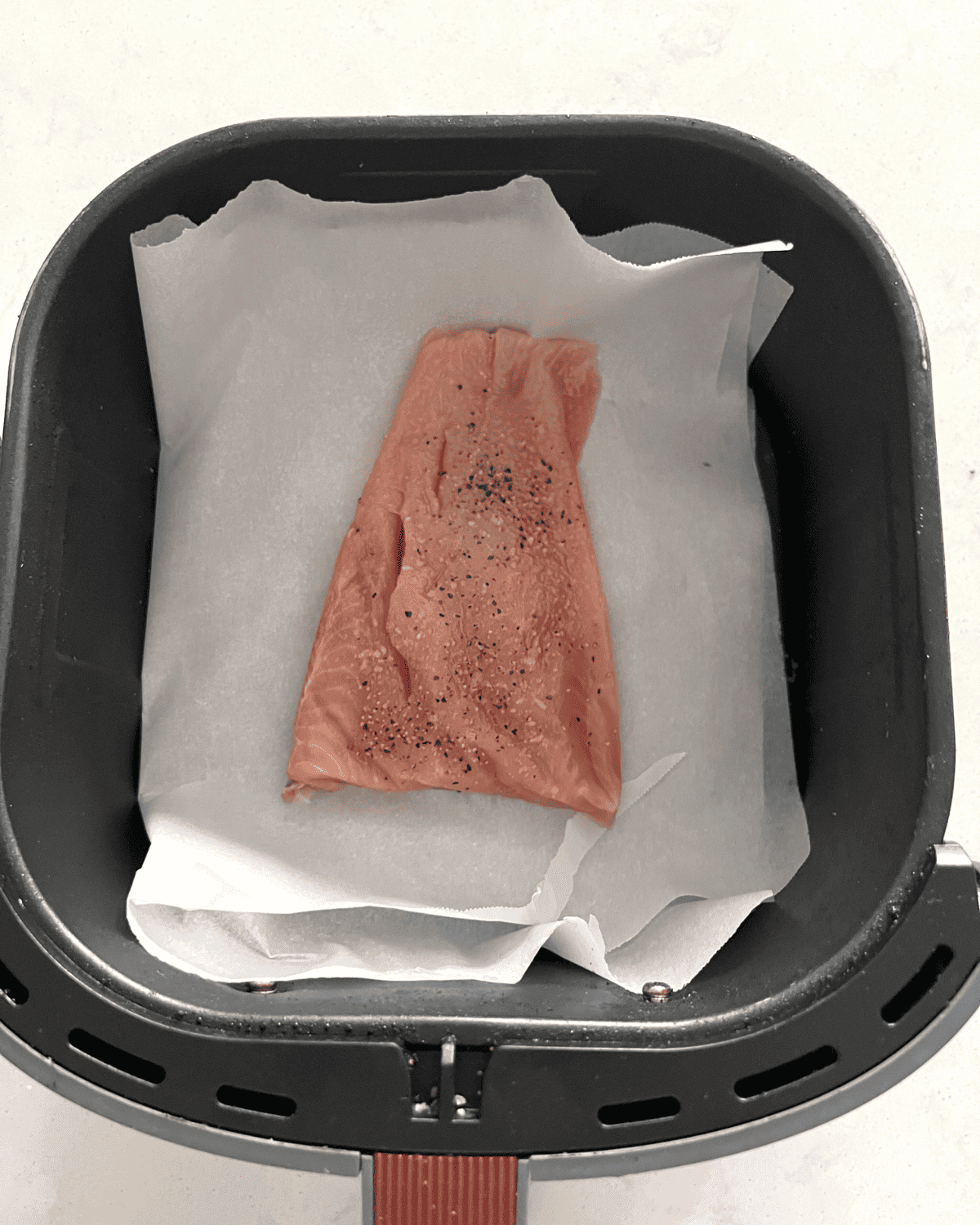
Skip the preheating debate—your Ninja needs this non-negotiable step for consistent results. Set it to 390°F for 3-4 minutes while prepping salmon. This blast of heat creates instant sear contact, mimicking a hot skillet. Line the basket with perforated parchment paper (never solid—it blocks airflow!) to prevent sticking without sacrificing crispness. Grab paper towels for the critical drying step and a meat thermometer—guessing doneness ruins more salmon than bad seasoning.
Why Your Salmon Choice Makes or Breaks the Result
Weight matters: Stick to 4-7 ounce fillets with uniform thickness. Thinner ends cook faster, leading to dry patches. If your fillet has a tapered tail, fold it under to match the thickest part’s height. Skin-on wins for air frying—it crisps dramatically while protecting the flesh. For maximum flavor and that vibrant orange hue (thanks to natural shellfish diets), choose wild-caught over farmed.
Oil and Seasoning Combos That Prevent Dryness
Avocado oil is your secret weapon—its 520°F smoke point prevents bitter burnt flavors at 390°F, unlike olive oil. Use just 1 teaspoon per fillet brushed on both sides. Skip heavy marinades; they steam instead of crisp. Instead, press dry seasonings firmly into the fish:
- Restaurant Herb Crust: 1 tsp Herbes de Provence + ¼ tsp sea salt
- Crowd-Pleasing Rub: ½ tsp paprika + ½ tsp garlic powder + salt
- Bright Lemon-Pepper: 1 tsp lemon pepper + 1 tsp garlic powder
Pro Tip: Patience pays off—let seasoned salmon sit 5 minutes before air frying. This allows spices to adhere, preventing rub loss during cooking.
Pre-Cooking Prep That Stops Salmon Disaster Before It Starts
Dryness starts with moisture—if you skip this step, your salmon steams instead of searing. Lay fillets on paper towels and press firmly on all surfaces for 20 seconds. Run fingers along the flesh to find hidden pin bones; pluck them with tweezers. For frozen salmon, submerge sealed bags in cold water for 20-30 minutes, changing water every 10 minutes. Warm water partially cooks edges, causing uneven results.
Skin-Side Down Placement Technique
Nestle fillets skin-side down in the preheated basket with 1 inch between each. Crowding traps steam—cook in batches if needed. Press gently to ensure full skin-to-basket contact; this guarantees even crisping. If using skinless fillets, place the presentation side down first for better browning.
Exact Cooking Times for Any Salmon Size at 390°F
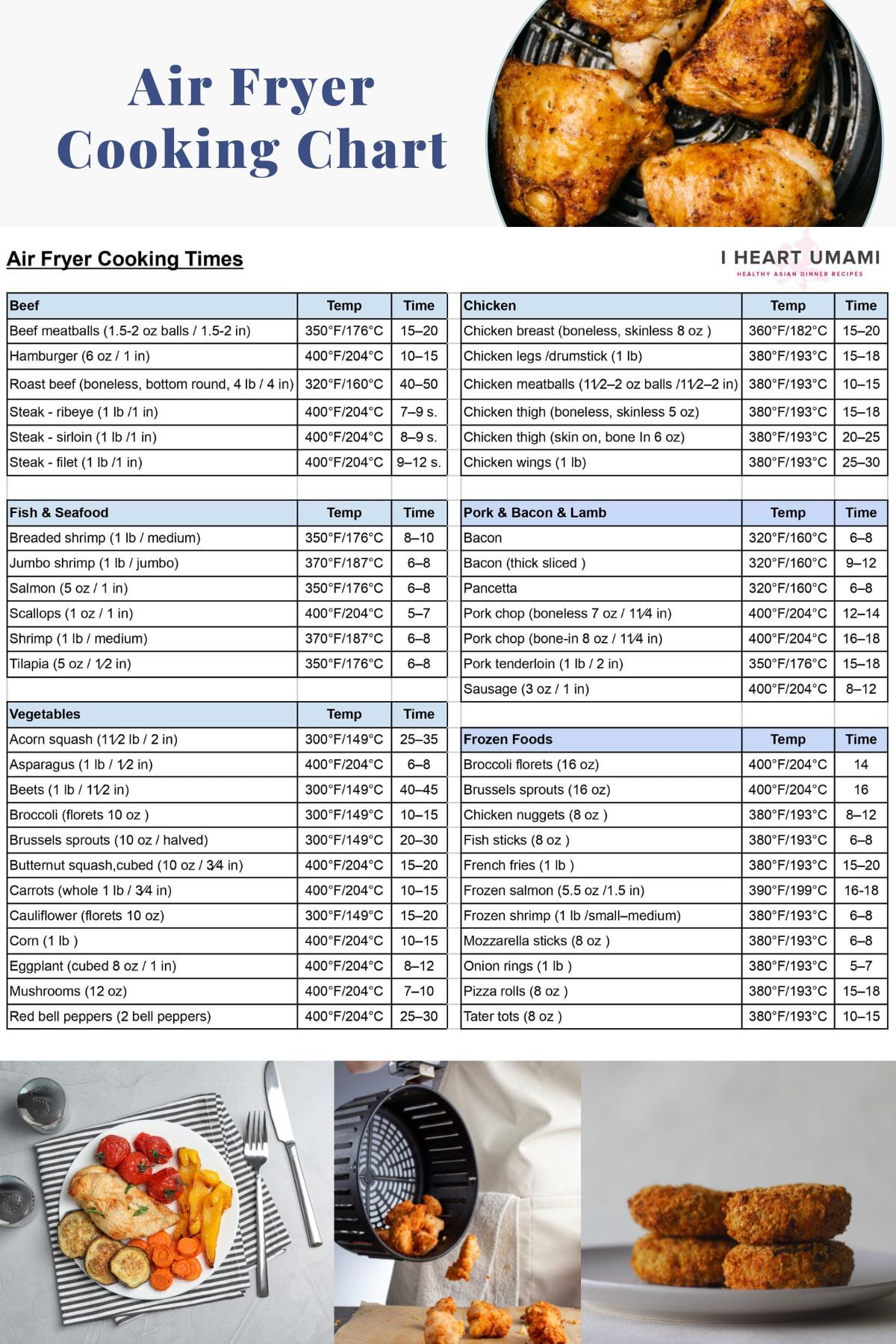
Your Ninja cooks 30% faster than ovens—timing is non-negotiable. Start with these benchmarks, then check visually:
- 4-5 oz fillets: 5-7 minutes (check at 5 minutes)
- 5-7 oz fillets: 7-9 minutes (check at 7 minutes)
- 7+ oz fillets: 9-11 minutes (check at 9 minutes)
Why You Should Pull Salmon 5°F Early
Salmon continues cooking from residual heat after removal. At 140°F internal temperature, pull it from the Ninja—it’ll coast to 145°F while resting. For medium-rare (buttery texture), remove at 130°F. Insert your thermometer into the thickest part at a 45-degree angle, avoiding the skin.
Visual Doneness Cues When No Thermometer’s Handy
- Perfect: Opaque pink flesh that flakes with gentle fork pressure
- Undercooked: Translucent center, shiny surface
- Overcooked: Dry, chalky appearance, large separated flakes
Warning: Never flip salmon mid-cook—it disrupts crust formation. Check doneness by lifting an edge with tongs.
Fixing Common Ninja Salmon Mistakes in Real Time

Problem: Dry, chalky texture
→ Solution: Reduce time by 1-2 minutes next batch. Thicker fillets need lower temps—try 380°F for 10-12 minutes.
Problem: Uneven browning
→ Solution: Fold thin tail ends under before cooking. Rotate basket 180 degrees halfway through for Ninja models with single heating elements.
Problem: Skin sticks to basket
→ Solution: Always use parchment liners. If reusing the basket, wipe with oil-dampened paper towel before reloading.
Problem: Fish smells overpowering
→ Solution: Place a slice of lemon in the basket beneath the rack to neutralize odors during cooking.
Next-Level Flavor Upgrades in 60 Seconds Flat
Garlic Butter Finish: Melt 2 tbsp butter + 1 minced garlic clove for 30 seconds in the Ninja after cooking. Drizzle over salmon—this adds richness without extra oil.
Acid Balance Trick: Squeeze fresh lemon juice AFTER cooking. Acid added pre-cook breaks down proteins, causing dryness. Post-cook juice brightens without texture damage.
Herb Hack: No Herbes de Provence? Swap in equal parts dried dill + thyme. For smoky depth, add ¼ tsp smoked paprika to any blend.
Perfect Pairings and Leftover Revival Secrets
Air Fryer Sides That Cook Alongside: Toss asparagus or Brussels sprouts in 1 tsp oil, salt, and pepper. Place in basket under the salmon rack for 8 minutes at 390°F. The salmon’s drippings flavor veggies below.
Keto Plate Formula: 1 salmon fillet + ½ cup cauliflower rice + ¼ avocado. Drizzle with lemon-garlic butter.
Reheating Leftovers Without Disaster
Never microwave—it turns salmon rubbery. Instead:
1. Place cold salmon on parchment-lined basket
2. Air fry at 350°F for 3 minutes
3. Check internal temp—stop at 120°F for safe reheating
Pro Tip: Add 1 tsp water to the basket before reheating to create gentle steam, restoring moisture.
Frozen Fillet Adjustments That Actually Work
Thawing is non-negotiable—never cook frozen salmon straight from the freezer. It steams unevenly, leaving icy centers and overcooked edges. After thawing:
– Pat extra dry (frozen fish releases more moisture)
– Add 1 minute to cooking time
– Check doneness 2 minutes early—frozen-thawed fillets cook faster than fresh
For batch cooking, cook 2 fillets max in 4-qt Ninja models. Larger baskets accommodate 4 fillets with 1-inch spacing. Add 90 seconds for full batches.
Final Mastery Checklist for Foolproof Ninja Salmon
You’ve now got the exact blueprint for crispy, moist salmon every time: pat dry → preheat to 390°F → skin-side down placement → pull at 140°F → rest 3 minutes. Start with simple salt-and-pepper fillets to build confidence, then experiment with herb crusts. Remember—the Ninja’s speed is your ally, but timing precision is mandatory. Within two tries, you’ll nail the visual cues and ditch the thermometer.
Tonight’s dinner is 12 minutes away: grab that salmon, fire up your Ninja, and transform weeknight meals into something worthy of a seafood bistro. No fancy skills needed—just perfect temperature control and the confidence to pull it out before it looks done. Your flakiest, most succulent salmon awaits.