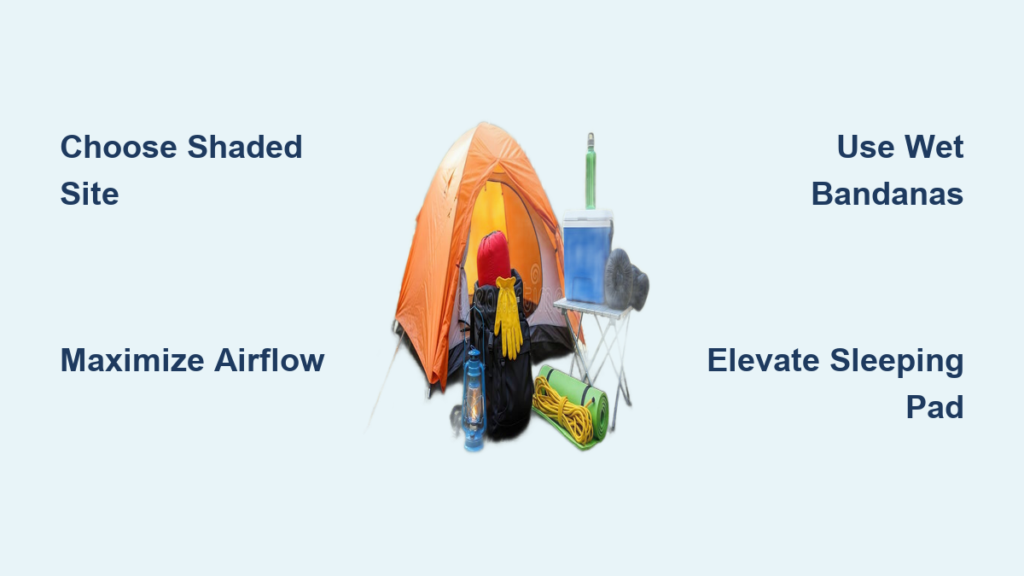
Waking up drenched in sweat at 3 a.m. while your tent feels like a steam room isn’t just uncomfortable—it’s dangerous. When interior temperatures soar past 100°F, your sleep quality plummets, dehydration risks spike, and heat exhaustion becomes a real threat. The good news? You don’t need expensive gear to transform your sweltering nylon prison into a cool refuge. By strategically combining site selection, airflow hacks, and evaporative tricks from seasoned backcountry experts, you can slash interior temperatures by 15–20°F using gear you likely already own. This guide cuts through the fluff to deliver actionable, field-tested cooling tactics that work whether you’re car camping in Death Valley or backpacking in the Smokies.
Why Your Tent Becomes a 120°F Sauna by Noon
Most campers unknowingly turn their tent into a solar oven before they even unzip the door. Dark-colored fabrics absorb 70% more heat than light ones, while poor site selection traps hot air like a convection oven. When you pitch in a valley bottom or under sparse trees, you’re ignoring how heat rises and settles—guaranteeing a sleepless night.
How Solar Radiation Cooks Your Sleeping Space
Sunlight hitting your tent converts to infrared radiation, heating the interior air. A dark rainfly can make it 10°F hotter inside than outside within 20 minutes. The solution? Position your tent where shadows cover it by 2 p.m.—the peak heating window. North-facing slopes (in the Northern Hemisphere) stay cooler all day, while south-facing spots become unusable by lunchtime.
The Deadly Mistake of Ignoring Wind Direction
Setting up perpendicular to prevailing winds creates a wind tunnel effect, but 80% of campers face their door away from breezes. Pro Tip: Toss grass clippings in the air before pitching—they’ll reveal wind direction instantly. Always align your tent’s largest mesh panel toward that flow.
Campsite Hacks That Drop Temps 15°F Before Pitching
Your location choice determines 70% of your cooling success. Skip the flat, sunny spot by the lake—it’s a heat trap. Instead, target these microclimate goldmines.
Why Waterfront Camping Cuts Interior Heat 20% Faster
Lakes and rivers aren’t just for swimming—they create natural evaporative cooling. Moisture rising from water absorbs heat from surrounding air, lowering ambient temps by 5–8°F. Critical move: Pitch within 50 feet of moving water (like a stream bank), but never in flood zones. The breeze off water also carries heat out of your tent twice as fast as stagnant air.
How to Find the Coolest Elevation on Any Terrain
Heat rises, but cool air sinks—making valley floors dangerous at night. Seek ridge lines or mid-slope positions where cool air flows downhill after sunset. In canyons, set up near river confluences where crosswinds form. Avoid depressions (like dry creek beds) where hot air pools.
Tent Ventilation Tactics That Work Like AC
A tent without airflow is a greenhouse. Most campers leave vents closed “just in case” of rain, but strategic venting slashes humidity and heat without getting wet.
The 3-Second Ventilation Upgrade That Prevents Sweating
Unzip all inner tent doors AND rainfly vents—even in light drizzle. Most modern rainflies have storm flaps that block rain while allowing airflow. Pro Tip: Place a folded bandana under rainfly corners to create 1-inch gaps for hot air escape. This leverages the stack effect: hot air exits roof vents, pulling cool air through floor-level openings.
Can a $10 Tarp Drop Tent Temps by 20°F? (Yes, Here’s How)

Suspend a reflective tarp 2 feet above your tent using paracord. This creates a radiant heat barrier that reflects 90% of solar energy before it hits your tent. Critical detail: Leave 6-inch gaps on all sides for airflow—sealing it turns the tarp into an oven. Test shows this lowers interior temps by 12–18°F during midday sun.
Evaporative Cooling Tricks Using Campsite Water
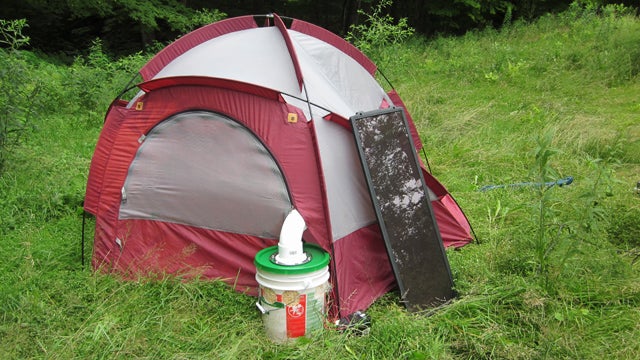
Evaporation absorbs massive heat—wet your skin or gear to cool instantly without power. This isn’t “just dampening a towel”; it’s physics-based cooling.
Why a Wet Bandana Around Your Neck Beats Any Fan
Water evaporating from fabric pulls heat directly from your skin. Soak a cotton bandana in stream water, wring until damp, and wrap it around your neck. Evaporation here cools blood flowing to your brain—making you feel 5–7°F cooler instantly. Warning: Never drape wet fabric over electrical fans (fire risk).
The 5-Minute Swamp Cooler Hack for $0
Hang a damp, lightweight sheet across your tent’s windward entrance. As breezes blow through it, evaporation cools incoming air by 4–6°F. Works best with cotton sheets (synthetics don’t hold moisture well). Re-wet every 2 hours during peak heat.
Sleep System Hacks That Stop Nighttime Sweating

Your sleeping bag is the #1 culprit for sweaty nights. Ditch it entirely for these proven alternatives.
Why Elevating Your Cot Cuts Body Heat 30%
Sleeping on the ground traps heat radiating from the soil—which can be 10°F warmer than air at night. Use a camping cot to lift yourself into cooler airflow. Even a $20 mesh cot reduces heat retention by letting air circulate under you. Pair with a breathable cotton sheet instead of a sleeping bag—synthetics like nylon trap moisture.
The Wrist-Cooling Trick for Instant Sleep
Place cold, water-soaked bandanas on your wrists for 90 seconds before bed. Major arteries here let cooled blood rapidly lower core temperature. Store bandanas in a stream (weighted down) all afternoon for maximum effect.
Mechanical Cooling That Actually Works Off-Grid
Forget bulky AC units. These portable solutions run all night on a single power bank.
Why a $15 USB Fan Outperforms “Tent AC” Units
Small, clip-on fans (like the OPOLAR 6000mAh model) create personalized airflow without draining batteries. Mount it facing your torso at 45°—this evaporates sweat 3x faster than ceiling fans. One charge lasts 30+ hours on low. Pro Tip: Tape a damp paper towel over the intake for evaporative cooling—adds 3–5°F of chill.
When to Use Phase-Change Cooling Packs (and When Not To)
Reusable cooling vests with PCM (phase-change material) packs absorb body heat for 2–4 hours. Best for: Pre-sleep cooldowns or daytime naps. Worst for: All-night use—they stop working once saturated. Freeze packs in your cooler before your trip; they’ll last 6+ hours.
Critical Safety Moves Most Campers Ignore
Heatstroke can strike in under an hour. These protocols prevent emergencies.
How to Spot Early Heat Exhaustion (Before It’s Too Late)
Watch for dark urine, headache, or cramps—signs you’re losing electrolytes faster than cooling. Immediate action: Drink 16oz water with ¼ tsp salt + electrolytes. Move to shade immediately. Never wait for vomiting or confusion—that’s heatstroke.
The 50/30 Hydration Rule That Prevents Dehydration
Drink 50% more water than you think you need (e.g., 1 gallon/day). But sip 30-minute intervals—chugging water flushes electrolytes. Add electrolyte tablets to every second bottle. Store water in insulated containers in the shade, not your tent (heat degrades tablets).
Pro Maintenance: Keep Your Tent Cool All Season
Prevent heat buildup before it starts with these end-of-trip habits.
Why Washing Your Tent After Every Trip Lowers Future Temps
Dirt and sunscreen residue on fabric absorb more heat. Rinse with cold water and mild soap after camping—never machine wash. Dry completely in shade before storing. Clean tents reflect 15% more sunlight, reducing peak temps by 5°F.
The 2-Minute Pre-Trip Vent Check That Saves Nights
Before packing, test all vents and zippers. Stiff zippers get left closed, killing airflow. Lubricate with silicone spray (never petroleum-based—it degrades fabric). Ensure mesh panels aren’t blocked by gear vestibules.
Final Note: Mastering tent cooling isn’t about buying gear—it’s leveraging physics. By pitching in moving-air zones, forcing cross-ventilation, and using evaporation strategically, you’ll sleep soundly even when thermometers hit 100°F. Start with site selection (the #1 factor), then layer ventilation and evaporative tricks. Your reward? Deep, restorative sleep under the stars—no sweat stains required. Remember: the coolest campers aren’t those with the fanciest gear, but those who work with nature’s cooling systems.