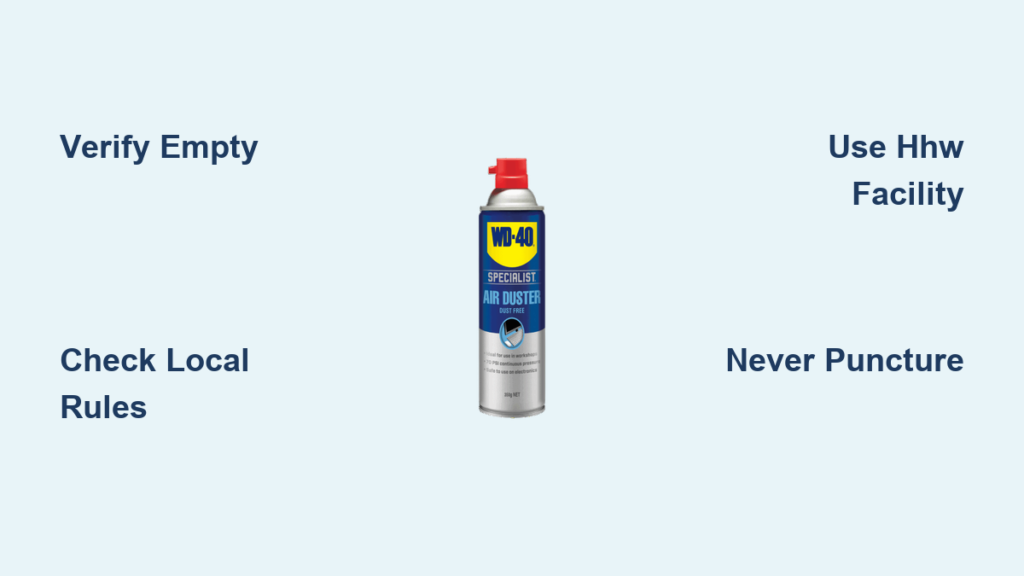
That empty air duster can sitting on your desk isn’t just trash—it’s a potential hazard waiting to cause explosions in garbage trucks or release climate-wrecking chemicals. Millions of people toss compressed air cans in regular bins every year, unaware that improper disposal of air duster cans violates federal regulations and endangers sanitation workers. When you finish cleaning your keyboard or electronics, that metal cylinder still contains pressurized propellants that can rupture if crushed, causing fires or injuries. This guide reveals exactly how to dispose of air duster cans the right way, saving you from fines while protecting your community and the environment. You’ll learn to identify truly empty cans, locate certified disposal sites near you, and avoid the 3 critical mistakes 90% of people make.
Why Air Duster Cans Explode in Garbage Trucks
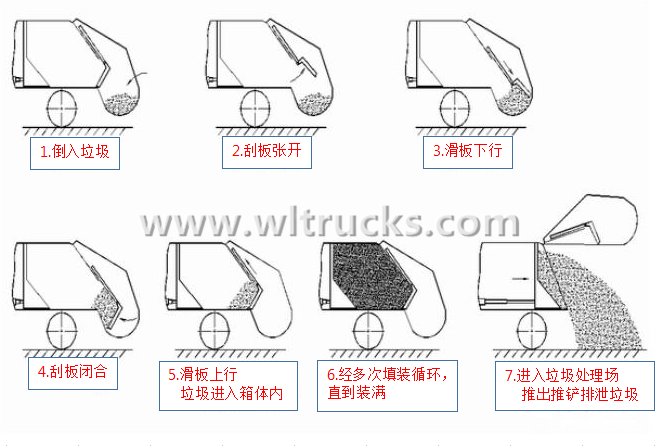
Compressed air duster cans contain volatile propellants like difluoroethane that remain pressurized even when the can feels empty. When sanitation trucks compact regular trash, these cans rupture violently—releasing greenhouse gases equivalent to driving 250 miles per can. The U.S. Department of Transportation classifies them as hazardous materials under the Hazardous Materials Transportation Act, meaning illegal disposal can trigger $10,000+ fines. In 2022 alone, California waste facilities reported 17 explosions from improperly discarded air dusters. Your local landfill won’t accept them because these propellants react with other chemicals, creating toxic byproducts that seep into groundwater.
How Pressure Builds Until Catastrophe Strikes
- The silent danger: Cans labeled “empty” often retain 15-20% propellant under 100+ PSI pressure
- Heat accelerates risk: Temperatures above 120°F (like in summer garbage trucks) double internal pressure every 10°F
- Real-world consequence: In 2023, a ruptured air duster can ignited a $200,000 fire in a Phoenix recycling facility
How to Confirm Your Air Duster Can Is 100% Empty
Never assume a can is safe to discard just because it stopped spraying. True emptiness requires scientific verification—here’s how professionals confirm it:
The Triple-Check Empty Verification Method
- Depress valve test: Hold can upright in well-ventilated area, press nozzle until zero hissing sound occurs (takes 30-60 seconds)
- Shake diagnosis: Vigorously shake can—if you hear liquid sloshing, it’s still hazardous
- Weight comparison: Compare to a brand-new can; truly empty cans weigh 20-30% less due to propellant loss
Pro Tip: Place a tissue over the nozzle while depressing. If it doesn’t flutter from escaping gas, the can is empty. Never puncture cans to check—they must be depressurized through normal use.
Common Empty-Can Misconceptions
- ❌ “No spray = empty” (false—vapor pressure remains)
- ❌ “Cold temperature means empty” (false—cold increases pressure risk)
- ✅ Only silent, weight-reduced, non-sloshing cans are safe for recycling
Find Air Duster Can Recycling Near You Using ZIP Code
Your municipality’s disposal rules vary wildly—New York City bans all aerosol cans from curbside bins, while Austin accepts empty cans in blue recycling carts. Here’s how to find your exact solution:
3 Fastest Ways to Locate Certified Disposal Sites
- Earth911’s ZIP code search: Enter “aerosol cans” + your ZIP at Earth911.com for real-time facility map
- Municipal waste hotline: Call 311 or your county sanitation department (e.g., “Los Angeles HHW hotline”)
- Retailer take-back: Staples and Best Buy accept empty cans at service desks in 32 states
What to Ask When Calling Facilities
- “Do you accept empty compressed air duster cans for metal recycling?”
- “What proof do I need to show the can is depressurized?”
- “Are your weekend collection events open for household quantities?”
Warning: Never transport partially full cans more than 5 miles—heat buildup during driving risks explosion. Keep them upright in your trunk away from passengers.
Transporting Air Duster Cans to HHW Sites Without Risk
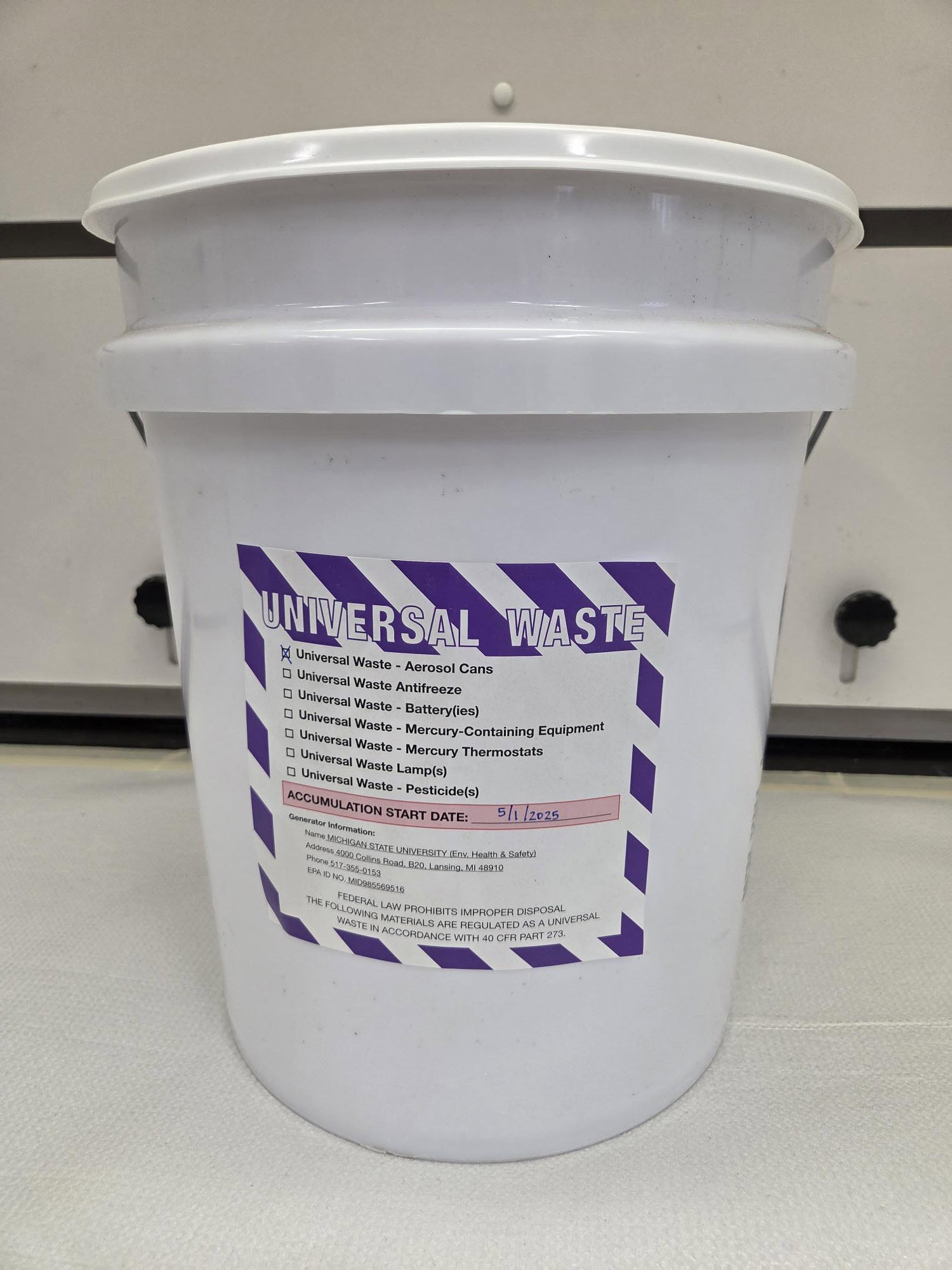
Improper transport causes 43% of disposal-related accidents. Follow these protocols for safe transit to hazardous waste facilities:
Safe Vehicle Transport Checklist
- ✅ Store cans upright in plastic bin (never loose in cabin)
- ✅ Keep temperature below 90°F (use AC, not trunk in summer)
- ✅ Cover nozzle with original cap to prevent accidental discharge
- ❌ Never place near heat sources like engine compartments
Facility Drop-Off Protocol
- Notify staff before exiting vehicle that you’re carrying aerosol cans
- Keep cans in vehicle until directed where to unload
- Do not stack cans—place individually on facility pallets
5 Deadly Mistakes When Disposing of Air Duster Cans
These errors cause preventable injuries and environmental damage—avoid them at all costs:
Critical Disposal Errors to Never Make
- Puncturing “empty” cans: Releases difluoroethane that can displace oxygen in confined spaces, causing asphyxiation
- Incinerating cans: Propellants ignite at 900°F—common in waste facility fires
- Spraying to “empty”: Wastes greenhouse gases with 140x CO2’s global warming potential
- Removing valve cores: Creates uncontrolled gas jet capable of severing fingers
- Storing near radiators: Heat above 120°F causes cans to explode like shrapnel bombs
Expert Note: Frostbite from accidental liquid discharge is the #1 injury during improper disposal. Always wear safety goggles and insulated gloves when handling.
Disposing of Half-Empty Air Duster Cans Legally
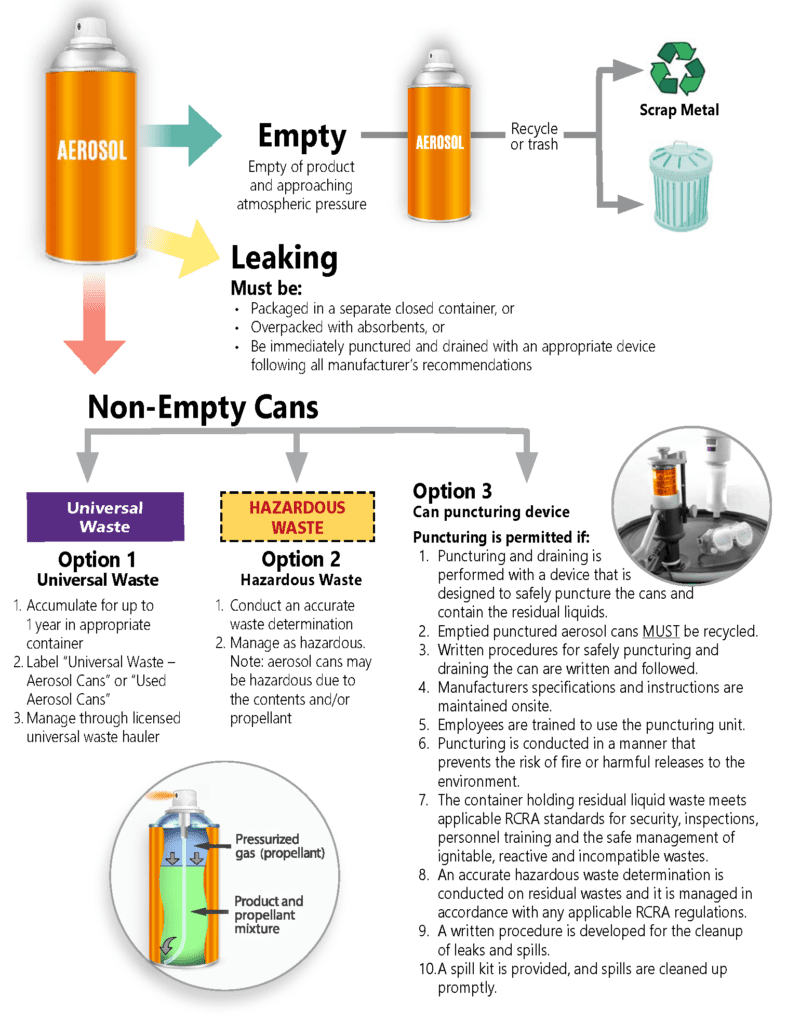
Partially full cans must go to Household Hazardous Waste facilities—never attempt DIY emptying. Here’s your legal pathway:
Step-by-Step for Non-Empty Cans
- Label clearly: Write “DANGER: PARTIALLY FULL” with permanent marker
- Store safely: Keep in fireproof cabinet away from sunlight until disposal day
- Use official collection: Find EPA-certified facilities via Earth911 or call 800-CLEANUP
- Business quantities: For 15+ cans, contact commercial hazardous waste services (required by RCRA)
Emergency Leak Response
If a can leaks during storage:
– EVACUATE area immediately
– Call 911 and specify “aerosol propellant leak”
– NEVER use fans—they can ignite vapors
– Wait upwind until responders arrive
Can You Recycle Air Duster Cans? Municipal Rules by State
Only completely empty cans qualify for metal recycling—and even then, rules differ by location. This state-by-state breakdown prevents recycling contamination:
Recycling Eligibility Flowchart
mermaid

graph TD

    A[Can completely silent when shaken?] -->|No| B(Take to HHW facility)

    A -->|Yes| C[Weight reduced 25%?]

    C -->|No| B

    C -->|Yes| D[Check municipal rules]

    D -->|Accepts aerosols| E(Recycle curbside/center)

    D -->|Requires HHW| B
State-Specific Recycling Policies
- California: Empty cans accepted at all HHW facilities (never curbside)
- Texas: Curbside recycling allowed if valve removed
- New York: HHW facility required regardless of emptiness
- Florida: Retail take-back at Office Depot stores
Pro Tip: Remove plastic nozzles/caps for separate trash disposal—metal cans go recycling, plastic goes regular waste.
How Air Duster Propellants Harm the Climate When Improperly Discarded
Each improperly discarded can releases R-152a propellant with 138x CO2’s global warming potential. When 1 million cans leak in landfills, it equals:
– 1.2 billion miles driven by average cars
– 140,000 tons of coal burned
– Annual emissions of 15,000 homes
These hydrofluorocarbons (HFCs) persist in the atmosphere for 1.5 years, accelerating polar ice melt. Proper HHW disposal captures 99% of these gases through high-temperature destruction—making your correct disposal directly cool the planet.
Emergency Response for Leaking Air Duster Cans
When cans leak, every second counts. Follow this OSHA-approved protocol:
4-Step Leak Containment
- ISOLATE: Clear 50-foot radius immediately—vapors travel faster than you can run
- VENTILATE: Open all windows/doors; never use electrical switches
- PROTECT: Wear respirator (N95 minimum) and chemical-resistant gloves
- REPORT: Call local hazmat team—do NOT attempt cleanup yourself
Critical: Never use water on difluoroethane leaks—it spreads the chemical. Only specialized absorbent pads work.
Final Note: Correctly disposing of air duster cans takes just 12 extra minutes but prevents life-threatening hazards. Always verify cans are silent and weight-reduced before disposal, use Earth911’s ZIP code tool for certified facilities, and never—ever—puncture or incinerate them. By following these steps, you’ve joined the 12% of Americans disposing of compressed air cans legally. For ongoing safety, store unused cans below 75°F and check valves monthly for damage. Your next step? Bookmark Earth911.com/recycling-search and share this guide with anyone who cleans electronics—they’ll avoid fines while protecting sanitation workers from preventable explosions.