That pile of bank statements, tax returns, and medical bills staring at you? You need to know how to dispose paper without shredder immediately—before identity thieves reconstruct your life from your trash. With 1.4 million identity fraud cases reported in 2023 alone, tossing intact documents is like handing criminals your credit card. But you don’t need expensive equipment: simple household methods can destroy paper as effectively as industrial shredders. This guide reveals security-proven techniques using scissors, water, fire, and even your blender to make documents irrecoverable. You’ll learn exactly how to rip, pulp, or burn sensitive papers while avoiding critical mistakes that leave your data vulnerable.
Most people assume shredders are mandatory for secure disposal, but professionals use layered destruction methods daily. The key isn’t fancy tools—it’s creating irreconstructible fragments mixed with obscuring materials. Whether you’re handling social security numbers or credit card statements, these techniques meet FACTA and HIPAA security standards when executed properly. By the end, you’ll confidently destroy documents in under 30 minutes using items already in your kitchen or garage.
Tear Documents into Postage-Stamp Pieces by Hand
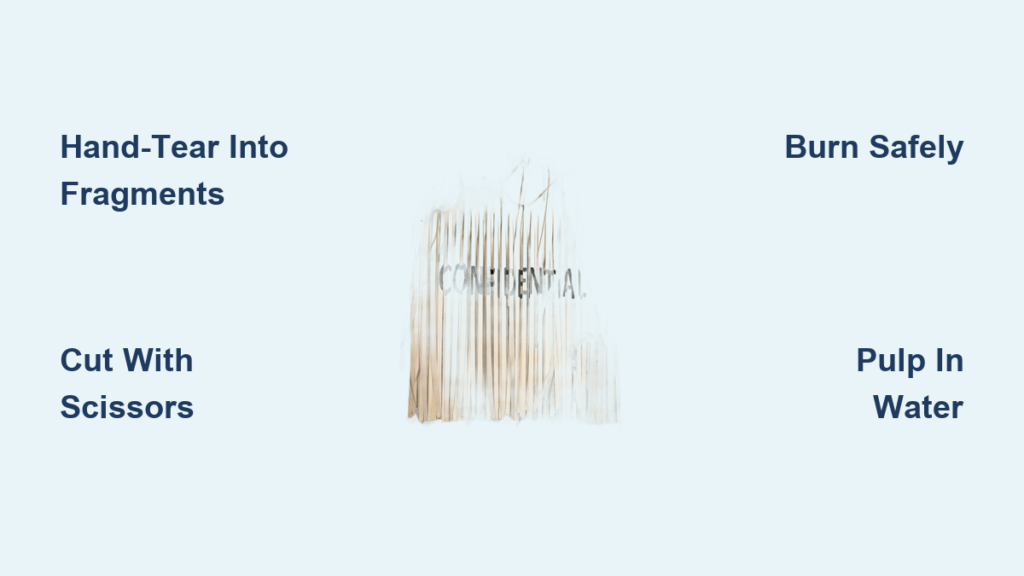
Hand-ripping is shockingly effective when done correctly—no tools required. Start by folding each page accordion-style before tearing to create smaller, irregular fragments. Focus on cross-tearing: rip vertically, then horizontally at 90-degree angles, repeating until pieces are smaller than 1 inch. Critical mistake: tearing only in one direction creates reconstructible strips. Mix fragments from 3+ documents together to create a jumbled mosaic that defeats reassembly attempts.
Why Irregular Shapes Beat Uniform Shreds
Uniform shreds can be digitally reconstructed using AI tools, but irregular postage-stamp pieces make this impossible. Test this yourself: try reassembling a torn grocery receipt with mismatched angles versus straight strips. For maximum security, combine fragments with coffee grounds or shredded non-sensitive mail before disposal. This “confetti mix” method takes 5 minutes per 20 pages and works for passports, contracts, or any high-risk document.
Optimize Hand-Tearing for Bulk Documents
For stacks over 50 pages, dampen corners slightly with water to prevent clean tears. Work in batches of 10 pages max—more causes overlapping tears that leave readable sections. Always tear near sensitive data first (account numbers, SSNs), then disperse fragments across multiple trash bags collected on different days. Never dispose of all pieces at once; stagger disposal over 3+ collection cycles to eliminate reconstruction opportunities.
Cut Paper Securely Using Household Scissors and Blades

Sharp scissors transform into precision destruction tools with the right technique. Use multi-blade scrapbooking scissors to slice documents into confetti-sized pieces in one motion—these create irregular shapes that resist reassembly better than straight cuts. For maximum security, cut vertically first, then horizontally across the strips to create 1/4-inch squares. Pro tip: Place paper on a non-slip mat to prevent sliding during cutting.
Craft Blade Method for Military-Grade Security
A box cutter and cutting mat achieve near-industrial results. Lay documents flat, then slice into 1/8-inch strips. Rotate the paper 90 degrees and repeat cross-cutting. For sensitive materials like tax forms, add diagonal cuts to create triangular fragments. This three-directional technique takes 8 minutes per page but renders reconstruction physically impossible. Always wear cut-resistant gloves and work away from children—the goal is paper destruction, not finger injuries.
Burn Documents Safely in a Metal Fire Pit
Fire provides irreversible destruction but demands strict safety protocols. Use only a metal barrel or fire pit on concrete, 20+ feet from structures, with a garden hose ready. Burn 1-2 pages at a time in a hot, contained flame—never dump entire files into a fire. Critical warning: glossy paper or thermal receipts release toxic fumes; exclude these from burning. Once flames die, stir ashes with a metal rod to expose unburned sections, then douse completely with water before disposal.
Sink Burning for Apartment Dwellers
No yard? Safely burn single pages in your sink. Wet surrounding surfaces first, ignite the top corner with a long lighter, and hold the page under the faucet stream as it burns. The water suppresses flames while the paper chars to ash. Collect cooled ash in a sealed container, mix with cat litter, and discard across multiple trash days. This method takes 90 seconds per page but leaves zero recoverable data.
Soak and Pulp Paper in a Bucket for Complete Destruction
Water pulping destroys paper’s structural integrity, making text unreadable. Fill a 5-gallon bucket with warm water, submerge documents, and add 2 tbsp dish soap. Let soak 24 hours, then agitate with a drill-mounted paint mixer until paper turns to oatmeal-like pulp. Key insight: glossy or coated papers won’t fully pulp—avoid this method for magazines or photo paper. Drain excess water, then spread pulp thinly on cardboard to dry before disposal.
Blender Pulping for Instant Destruction
Soak documents 1 hour first, then blend in 2-minute intervals (never use a food-prep blender again). The resulting slurry is 100% unrecoverable. Pour pulp into compost bins (for soy-ink paper only) or mix with wet trash for disposal. This 15-minute method handles 10 pages at a time but requires dedicated equipment—repurpose an old blender solely for document destruction.
Disperse Shredded Paper Across Multiple Trash Pickups
Security through obscurity is your final defense. Never discard all destroyed paper at once. Mix fragments with:
– Coffee grounds (acid obscures ink)
– Used kitty litter (absorbs moisture, hides fragments)
– Food scraps (creates biological barriers)
Dispose of 30% on Day 1, 30% on Day 3 with wet garbage, and 40% on Day 5 with yard waste. This staggered approach makes reconstruction statistically impossible—thieves won’t find enough pieces from one document cycle.
Find Free Community Shred Events Near You
When DIY isn’t feasible, leverage community resources. Banks like Chase and credit unions host free shred days 2-4 times yearly—call ahead to confirm document limits (usually 3-5 banker’s boxes). Office Depot and Staples offer $1-$2 per pound shredding with same-day service. Pro move: arrive at 9 AM when lines are shortest, and request a certificate of destruction for tax records. These events use cross-cut industrial shredders that meet DoD 5220.22-M standards.
Verify Legal Retention Requirements Before Destruction
Destroying documents too soon creates legal risks. Keep tax returns 7 years, mortgage papers permanently, and utility bills 1 year after reconciliation. Cross-reference IRS Publication 552 before disposal—medical records require 6-7 years under HIPAA. When in doubt, redact sensitive data (SSNs, account numbers) with a permanent marker before recycling non-critical portions. Never destroy original birth certificates, wills, or property deeds.
Apply a 5-Step Security Protocol for Top-Secret Data
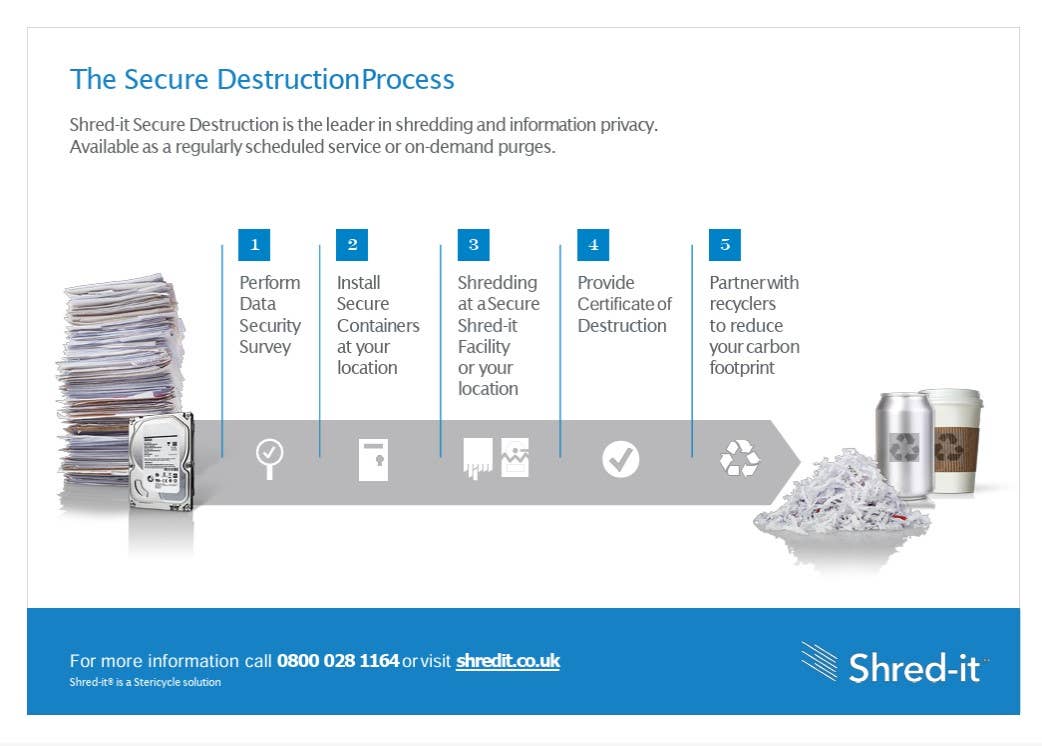
For military IDs or classified information, combine methods:
1. Redact data with black marker
2. Cut into 1/4-inch strips with craft blades
3. Soak strips in bleach solution (1:5 ratio) 48 hours
4. Pulverize with drill mixer into slurry
5. Disperse fragments across 4+ trash cycles
This multi-stage approach meets NSA destruction standards and takes 50 minutes per 100 pages. Always wear nitrile gloves during chemical steps—bleach causes skin burns.
Final Note: Secure paper disposal isn’t about perfection—it’s making reconstruction harder than stealing new data. Start today with the hand-tearing method: spend 10 minutes destroying your riskiest documents now. For ongoing security, schedule quarterly “document destruction days” using water pulping or community shred events. Remember—any method beats trashing intact papers. Your future self will thank you when that old bank statement never appears on the dark web. Mix fragments with coffee grounds, never dispose all at once, and always verify retention rules first. In information security, the most powerful tool isn’t a shredder—it’s consistent, layered destruction.