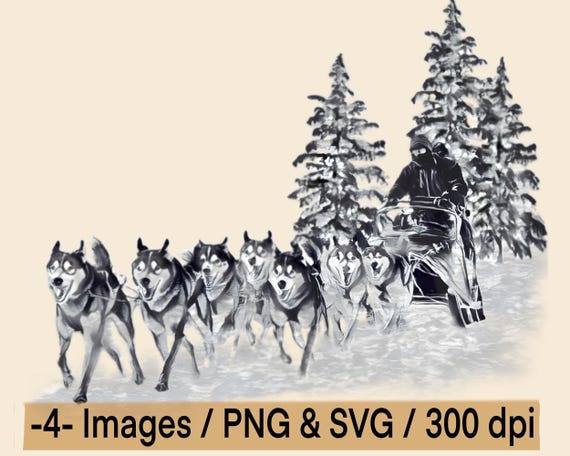
Feel the crisp winter air sting your cheeks as eight powerful huskies strain against their harnesses, tongues lolling with excitement. Your heart pounds in sync with their eager paws pawing the snow. This isn’t just recreation—it’s a partnership forged in ice and adrenaline. Learning how to drive a dog sled properly transforms you from passenger to pilot of this living, breathing machine. Whether you’re preparing for an Alaskan adventure or your first guided tour, mastering these fundamentals separates a chaotic disaster from the smooth glide of snow against runners. This guide delivers exactly what you need to know to safely command your own dog sled team from launch to landing.
Essential Gear Checklist for Your First Dog Sled Run

Before you even think about launching your team, you must have the right equipment that keeps both you and your dogs safe and effective. Dog sledding requires specialized gear that differs significantly from other winter activities.
Sled Selection Based on Your Skill Level
For beginners, choose a traditional wooden toboggan-style sled rather than a lightweight racing model. The heavier construction provides stability when you’re still learning balance. Look for one with a flexible runner design that naturally pivots during turns. The sled must include a functional foot-operated brake that presses firmly into snow and a secure snow hook system that anchors deeply when stomped into packed snow. Your sled bag should sit securely at the front, not just as storage but as a weight distribution tool that affects handling.
Critical Dog Harnessing Equipment
Your dogs’ safety depends entirely on proper rigging. Each dog needs a custom-fitted collar harness that distributes pulling force across the chest and shoulders—not the neck. The gangline (main connecting rope) must be tangle-free and appropriately tensioned. Tuglines connect each dog to the gangline, while necklines keep dogs aligned. For beginners, a tandem hitch (two-dog team side by side) works better than a fan hitch until you master steering. Always inspect every snap hook and connection point for wear before each run.
7 Critical Dog Sled Commands Every Beginner Must Master
Your voice becomes the steering wheel and brake pedal of your dog sled team. Without these commands drilled into both you and your dogs, control is impossible.
Launch and Stop Commands You Must Nail First
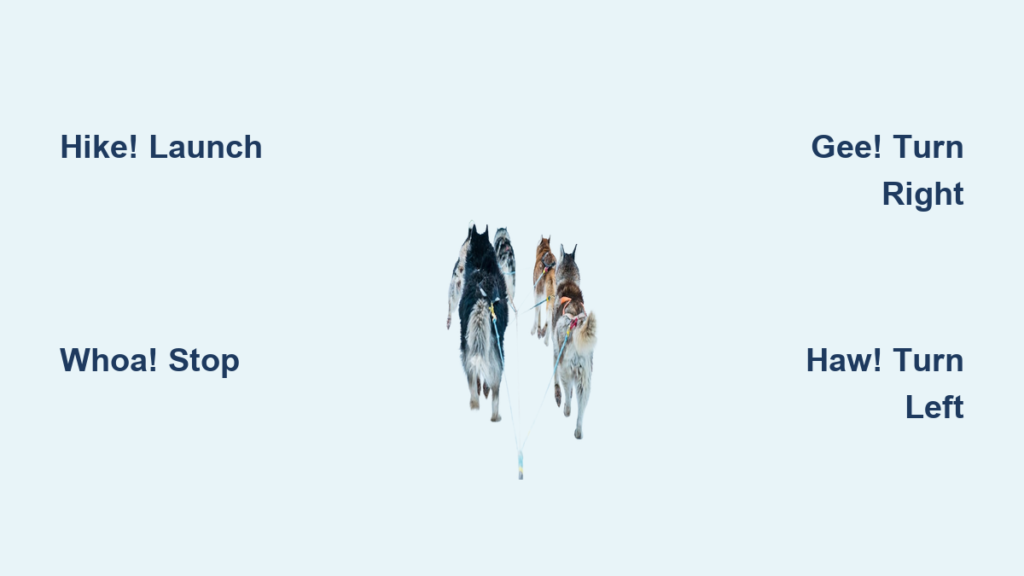
Start with “Hike!”—not “Go!”—as your launch command. This distinct sound cuts through wind noise and prevents confusion with other words. For stopping, “Whoa!” requires gradual training: begin with short “Whoa” calls during walks, building to full stops. The emergency stop command “Whoa, whoa, WHOA!” must trigger an immediate response. Practice these commands on foot with your dogs before ever stepping on a sled. Remember: your tone matters more than volume—calm authority works better than shouting.
Steering Commands That Actually Work on Snow
“Gee!” for right turns and “Haw!” for left turns are non-negotiable. Many beginners mix these up, causing dangerous confusion. Create a mnemonic: “Haw” has an “A” like “left,” while “Gee” sounds like “green light” for right. Advanced mushers add “Gee-haw” for sharp right-left combinations, but beginners should stick to basics. Crucially, your body position must match your verbal command—lean into turns to reinforce what you’re saying. Dogs watch your stance as much as they hear your voice.
Step-by-Step: Launching, Steering, and Stopping Your Dog Sled Team
The moment you step onto the runners separates theory from reality. This sequence must become muscle memory before you attempt independent runs.
Perfecting Your Launch Technique
Stand sideways on the right runner with your left foot on the brake. Your right foot controls the snow hook release. Call “Hike!” firmly once—repeating encourages dogs to wait for multiple commands. As dogs surge forward, smoothly release the brake while maintaining balance. Beginners often make the critical mistake of leaning backward; instead, shift your weight slightly forward as the sled gains momentum. Keep your arms relaxed but ready to adjust balance instantly.
Steering Like a Seasoned Musher
Unlike a car, your sled steers through three simultaneous actions: verbal commands, weight distribution, and occasional physical assistance. For gentle turns, shift your hips in the desired direction while calling “Gee” or “Haw.” For sharp turns on packed trails, “kicker” the sled by planting your foot on the inside runner and pushing off. On icy conditions, lean into turns more aggressively to prevent sliding. Remember: your lead dogs initiate turns, but your weight controls the sled’s responsiveness.
Avoiding Trail Hazards: What to Watch For When Driving a Dog Sled
Your team depends on you to see dangers they can’t anticipate. Trail awareness separates safe runs from emergencies.
Identifying Hidden Trail Dangers Before They Strike
Scan 50-100 feet ahead constantly, watching for thin ice, hidden rocks, or fallen branches. Pay special attention to trail intersections where other snow vehicles might appear. On frozen lakes, watch for pressure ridges that can flip your sled. When approaching blind corners, call “Easy!” to slow your team preemptively. In forested areas, watch for “widowmakers”—dead branches that could fall. Your dogs will follow trail scent even when it leads over hazards, so you must be their eyes.
Dog Team Care During Your Sled Run: Hydration and Rest Stops
Your responsibility extends beyond steering—you’re the veterinarian, coach, and trainer rolled into one.
Recognizing Early Signs of Dog Fatigue
Check for uneven gait, frequent sitting, or reduced enthusiasm—these signal exhaustion before collapse occurs. A single lifted paw indicates soreness that requires immediate inspection. During rest stops, feel between their toes for ice balls and check harness points for chafing. Carry insulated water containers that won’t freeze instantly; metal bowls work better than plastic in extreme cold. For runs over two hours, plan water stops every 45 minutes with 5-10 minutes of rest.
Emergency Protocols: What to Do When Driving a Dog Sled Goes Wrong
Even perfect preparation can’t prevent all emergencies. Knowing these procedures could save lives.
Handling a Runaway Sled Team
If your brake fails on a downhill, immediately deploy your snow hook with full force—don’t just toss it. If you fall off, your priority is getting clear of the trail while the team continues. Never try to hold onto a runaway sled; the snow hook exists for this exact scenario. For tangled lines, stop completely before attempting untangling—working while moving risks injury to dogs. Always carry a knife to cut lines in true emergencies, but use only as absolute last resort.
Pre-Run Checks Every Musher Must Complete
Skipping these steps turns a fun adventure into a potential disaster before you even move.
The 5-Minute Safety Checklist Before Launch
- Verify every dog’s harness fits properly with two fingers space at shoulders
- Inspect all tuglines for frays or kinks that could snap under tension
- Confirm snow hook releases smoothly but holds securely
- Test brake operation by manually dragging sled
- Ensure first-aid kits for both human and canine are accessible
Double-check your route plan with someone ashore. Weather changes rapidly in snow country, and rescuers need to know where to look if you don’t return on schedule.
Common Beginner Mistakes That Could End Your Sled Run
Most accidents stem from preventable errors that experienced mushers never make.
The Overcorrection Trap Beginners Fall Into
New mushers often steer too aggressively, causing dangerous fishtailing. When your sled starts sliding outward in a turn, resist the urge to yank harder—it worsens the slide. Instead, call “Easy!” to slow the team while gently correcting your weight. Another critical error: standing centered on the sled. Always position yourself slightly behind the sled’s balance point to maintain control during stops. Beginners also forget that dogs need clear visual cues—wearing dark clothing against snow makes your movements harder for lead dogs to see.
Choosing Your First Dog Sled Team: Breed and Temperament Guide
Not all dogs make good sled partners, especially for beginners learning how to drive a dog sled.
Ideal Starter Breeds for Novice Mushers
Siberian Huskies offer the best balance of power and temperament for beginners, though they require significant training. Alaskan Malamutes provide brute strength but can be too dominant for new mushers. Avoid purebred racing huskies initially—they’re bred for speed, not beginner-friendly pacing. Look for dogs with “dry” coats (less undercoat) if running in warmer snow conditions. Most importantly, choose dogs with proven trail experience over younger, untrained animals. A single experienced leader can guide an entire beginner team.
Mastering how to drive a dog sled demands respect for both the dogs and the elements. This isn’t a theme park attraction—it’s a partnership where your competence directly impacts animal welfare and personal safety. Every run builds your intuition for reading dog behavior, interpreting trail conditions, and anticipating problems before they escalate. Start with short, supervised runs on flat terrain before attempting hills or complex trails. Remember that true mushing skill develops over hundreds of miles, not a single outing. When you finally achieve that perfect harmony where commands flow effortlessly and your team moves as one unit across the snow, you’ll understand why this ancient tradition continues to captivate adventurers worldwide. Prioritize formal training with an experienced guide before striking out independently—your dogs’ wellbeing and your safety depend on it.