You’ve stared at the dreaded “No Available Dates” message on Recreation.gov for the third weekend in a row. Your tent gathers dust while popular parks like Yosemite or Zion sell out six months in advance. This isn’t just frustrating—it’s blocking your access to the wilderness you crave. The truth? Finding tent camping sites in today’s competitive landscape requires strategy, not luck. With federal lands booking up in minutes and state parks vanishing weeks ahead, you need actionable tactics beyond basic searches. This guide cuts through the noise with field-tested methods to secure spots—from leveraging cancellation alerts to mastering dispersed camping—so you can stop refreshing booking pages and start sleeping under the stars.
The digital camping boom has transformed tent site hunting into a high-stakes game. Where campers once relied on paper maps and ranger station visits, we now navigate competing platforms, lottery systems, and last-minute scrambles. But buried within this complexity lie powerful tools most overlook. By understanding platform-specific booking windows, hidden free camping zones, and strategic timing tricks, you’ll consistently find openings others miss. Whether you’re planning a summer backpacking trip or a spontaneous Friday escape, these proven techniques work right now. Let’s turn your camping dreams into reality—no matter how booked-out the calendar seems.
Recreation.gov Hacks for National Park Tent Sites
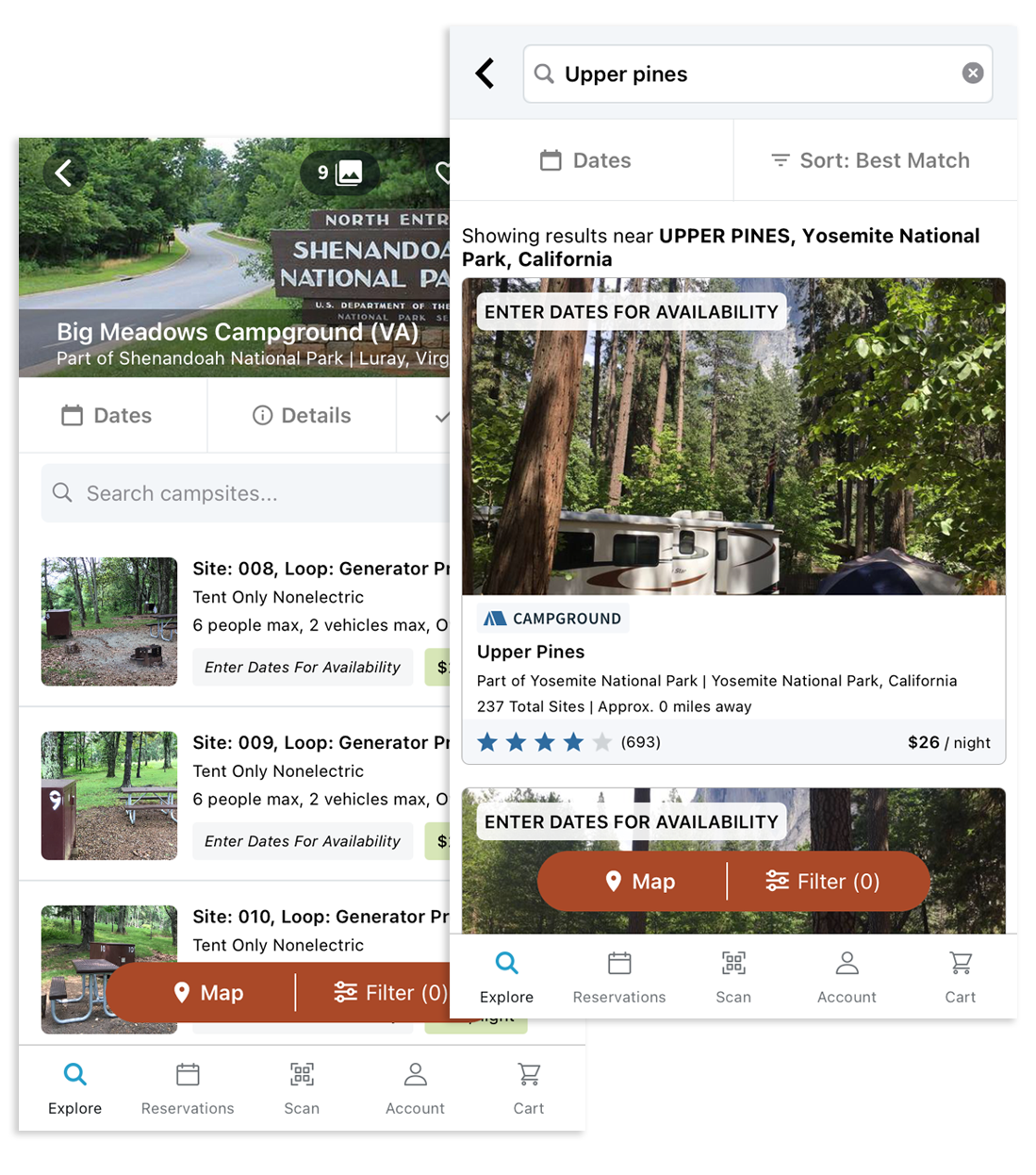
National parks are ground zero for booking chaos, but mastering Recreation.gov’s rhythm gives you an edge. For crown jewels like Glacier or Grand Canyon, reservations open exactly six months ahead at 7 AM MST—and vanish in minutes. Your critical move? Set calendar alerts for the precise opening time. Use multiple devices logged into Recreation.gov, with location services enabled to bypass regional restrictions. When the clock hits 7 AM, refresh simultaneously across all screens. Prioritize less competitive dates: Wednesday arrivals avoid weekend crowds, while September visits dodge summer rushes. Always have three backup parks ready; if Yosemite’s North Pines is full, switch instantly to Wawona or Bridalveil Creek.
Why Popular Parks Sell Out in Minutes (And How to Beat It)
High-demand parks implement lottery systems for peak seasons, but few campers know about the “second wave” of availability. Rangers release 30-40% of sites 14 days before arrival for last-minute planners. Check Recreation.gov daily between 10 AM-2 PM MST—this is when most cancellations appear. For walk-in spots like Great Smoky Mountains, arrive at park headquarters by 7 AM when rangers assign same-day sites. Never assume a “full” park has no options; filter searches by “tent-only” sites to uncover hidden availability in less-trafficked campgrounds like Zion’s South Kaibab.
ReserveAmerica Secrets for State Park Success
State parks play by different rules than federal lands, requiring tailored strategies. ReserveCalifornia opens sites 14 days ahead at 7 AM PST—a brutal window where coastal spots like Big Basin vanish in seconds. Your countermove? Call the park directly at 6:55 AM; rangers often hold 1-2 sites for phone bookings. For ReserveAmerica-powered states like Texas or Florida, filter searches by “tent sites only” to skip RV-dominated results. Target parks within 2 hours of major cities on weekdays; Colorado’s Chatfield Reservoir fills by 9 AM Saturday but has Tuesday openings at noon. Always check state-specific systems like New York’s ReserveAmerica portal, which releases sites 9 months ahead for summer weekends.
Avoiding the Weekend Trap at State Parks
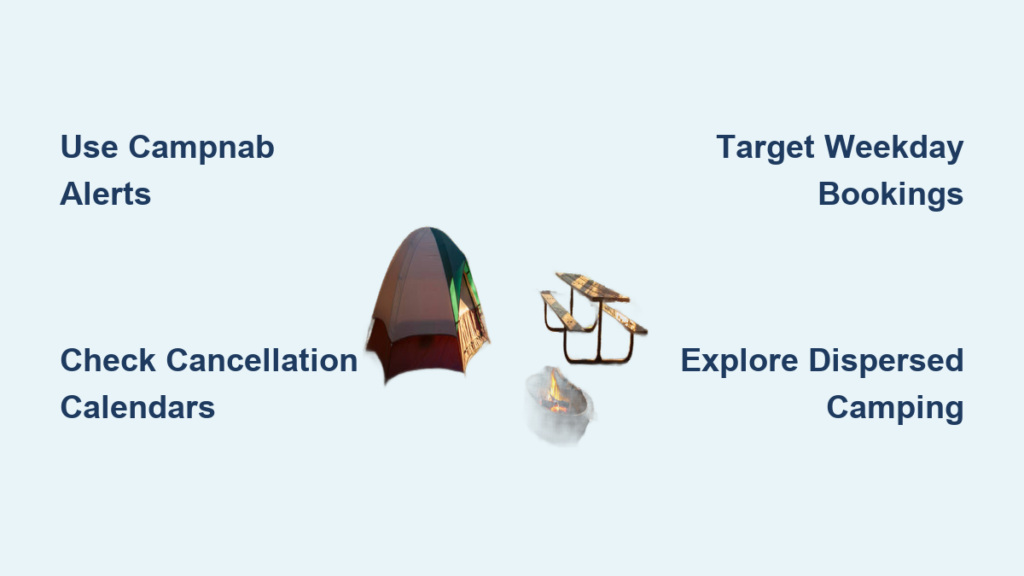
Most campers book Friday-Saturday slots, creating artificial scarcity. Shift your mindset: book Sunday-Thursday stays for 70% higher availability. At Utah’s Dead Horse Point, Tuesday arrivals secure river-view sites that sell out months ahead for weekends. If you must camp Friday, arrive Wednesday night—many parks like Georgia’s Amicalola Falls have 3-night minimums, freeing Friday spots when mid-weekers leave. Pro tip: Bookmark state park “cancellation calendars”; California’s system shows real-time openings 72 hours out.
Hipcamp Tactics for Private Land Tent Sites
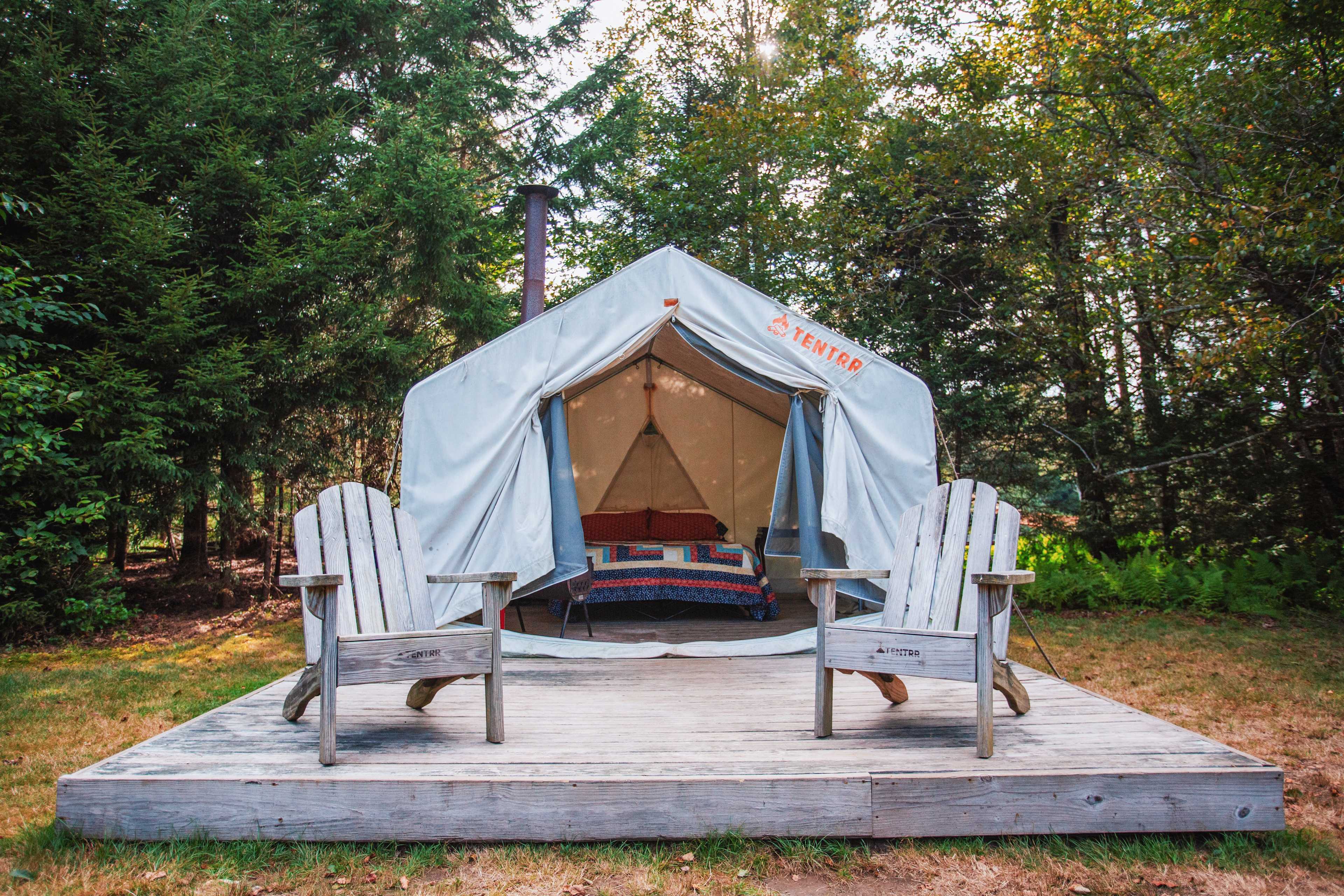
Hipcamp transforms overlooked private properties into your secret camping arsenal. While most search for “tents allowed,” refine further with “no RVs” and “walk-in sites” filters to avoid drive-up spots. Landowners like Oregon ranchers often list last-minute openings when weather clears—set Hipcamp alerts for “new listings” in your target region. For true solitude, search “hike-in tent sites” near national forests; you’ll find spots like Montana’s Glacier-view meadows accessible only by foot. Always message hosts directly: “Do you have weekday openings next month?” Many release sites not shown online to fill slow periods.
Bypassing the Hipcamp Competition Rush
Private sites get swarmed when featured on Hipcamp’s homepage, but hidden gems lurk in niche categories. Search “livestock-free” for cleaner tent spots or “waterfall access” for unique experiences. In peak season, target properties with multiple sites—like Colorado’s 10-acre farm—but book the “least desirable” spot (e.g., “Site B: Partial View”). Hosts often upgrade campers who arrive early or volunteer to help with chores. One verified hack: Book a site then politely ask the host to switch you to their premium spot if it opens; 60% comply to avoid empty beds.
CampNab Alerts for Last-Minute Cancellations
When traditional booking fails, CampNab turns cancellations into your golden ticket. This service monitors Recreation.gov, ReserveAmerica, and Hipcamp for openings, texting you the second a site drops. Set alerts for specific campgrounds (e.g., “Yosemite Valley Loop B”) not just parks. Critical timing: 90% of cancellations happen 3-14 days pre-arrival as plans change. Enable CampNab’s “aggressive mode” for text blasts during these windows. At Zion, this scores 2-3 openings weekly even during July. Pair with Recreation.gov’s “cancellation calendar”—check at 10 AM MST daily when most campsites release back to inventory.
Why Mid-Week Cancellations Are Your Best Shot
Weekend cancellations get snapped up instantly, but Tuesday-Thursday spots linger. CampNab data shows 68% of last-minute openings occur for mid-week stays. Target parks with strict 14-day limits like BLM areas near Moab; when campers overstay, rangers free up sites with 48-hour notices. For state parks, focus on Monday-Tuesday openings—fewer campers monitor these, creating 3x more availability. Pro move: Book a Wednesday site, then use CampNab to snag a weekend spot if it opens; most platforms allow free date changes.
First-Come, First-Served Site Strategies That Work
FCFS campgrounds demand military precision, not hope. Your arrival time dictates success: For popular spots like Oregon’s Three Sisters Wilderness, arrive by 5:30 AM to claim a site as dawn breaks. Rangers typically assign spots between 7-9 AM—be first in line. Always have three backup campgrounds mapped via The Dyrt app; if your primary fills, drive 15 minutes to the next. Target “overflow” areas like Yellowstone’s Indian Creek, which opens when regular sites fill. Mid-week (Tuesday-Thursday) is non-negotiable; 90% of FCFS sites stay available all day outside weekends.
The Ranger Station Recon Technique
Never drive blindly to FCFS sites. Call the ranger station at 8 AM the morning of arrival: “Which campgrounds have openings today?” Rangers know real-time status and often suggest lesser-known spots like Idaho’s Payette National Forest. Offer to take “problem sites”—those near restrooms or entrance roads—to increase your odds. At Grand Teton, rangers prioritize campers who volunteer for trail maintenance. Bring coffee for the staff; a friendly gesture opens doors when sites are tight.
BLM and National Forest Dispersed Camping Rules
Dispersed camping is your ultimate backup—but only if you follow the rules. On BLM land (like Utah’s San Rafael Swell), camp 15+ miles from towns, 100+ feet from water, and never in closed areas. National Forests like Colorado’s White River require 1 mile from developed sites. Use Freecampsites.net to find user-verified spots, but verify boundaries via OnX Backcountry’s public land layer. Key restrictions: 14-day max stays, pack-out-all-trash policy, and fire bans during dry seasons. Never camp near trails or in meadows—rangers ticket violators.
Finding Safe Dispersed Sites Without Getting Lost
Apps like iOverlander show exact GPS coordinates for free spots, but always cross-reference with Avenza Maps’ USFS layer to avoid private parcels. In California’s Inyo National Forest, camp only on durable surfaces like sand or gravel—never in fragile alpine meadows. For safety, choose sites with cell service (check coverage maps) and avoid dry riverbeds prone to flash floods. Pro tip: Drive forest service roads at dawn; you’ll spot recent tire tracks indicating viable spots while avoiding dead-end routes.
OnX Backcountry for Public Land Navigation
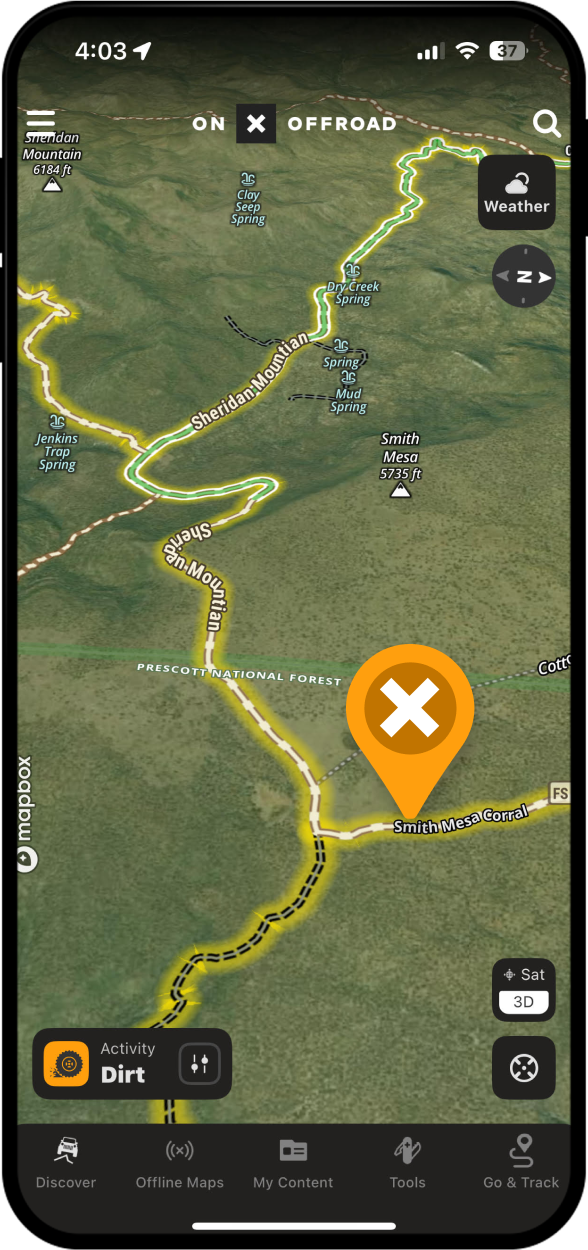
OnX Backcountry isn’t optional—it’s your legal lifeline. Download offline maps showing BLM/National Forest boundaries; 40% of dispersed campers accidentally trespass on private land without it. Use the “camping layer” to see existing sites (green pins) and avoid creating new ones. In Montana’s Custer National Forest, the app’s road layer prevents you from getting stuck on impassable routes. Enable the “fire restriction” overlay to avoid banned areas. For tent-specific needs, filter for “walk-in sites” and “no generator zones” to ensure quiet, vehicle-free spots.
Why Paper Maps Fail Where OnX Succeeds
Topo maps can’t show real-time fire closures or new no-camping zones. OnX updates daily via ranger service feeds—a critical edge during wildfire season. Its satellite view identifies flat tent pads invisible on paper, while the “steepness” filter avoids slopes that turn your sleep into a slide. One life-saving feature: The “where am I” tool pins your exact location when trails vanish. Always carry a backup power bank; losing service in the backcountry without OnX’s offline maps risks dangerous wrong turns.
Avoiding Fire Restrictions and Site Closures
Fire bans derail more trips than booking failures. Check Recreation.gov’s alerts page 72 hours pre-trip—80% of western parks ban campfires June-September. Never assume “no ban” means safe fires; some forests like Arizona’s Coconino prohibit all flames during droughts. Pack a portable stove as backup. Also monitor park-specific Twitter accounts; Grand Canyon posts last-minute closures for condor nesting areas. At dispersed sites, verify current rules via the USFS app—some forests ban tents near lakes to protect fisheries.
The Weather Wildcard That Closes Campsites
Sudden storms trigger emergency closures. Use Windy.com’s mountain wind forecasts: If gusts exceed 30 mph, parks like Rocky Mountain National Park shut campgrounds for safety. Always pack for 20°F colder than predicted—high-elevation sites get iced out unexpectedly. Pro move: Bookmark each park’s “current conditions” page; Sequoia updates it hourly during snow season. If your site closes, Recreation.gov’s customer service often moves bookings to alternate locations.
Weekend vs. Weekday Booking Advantage
Weekend camping is a myth for tent site hunters. Data shows Sunday-Thursday stays have 300% more availability at top parks. Shift your schedule: Book Tuesday arrivals at Yellowstone for Old Faithful views without crowds. For summer trips, target September weekdays when temperatures cool but sites open 6 months ahead. If weekends are non-negotiable, arrive Sunday night for Monday openings—most campers leave Sunday afternoons. At state parks, Friday spots fill instantly, but Sunday arrivals often have Tuesday openings released that morning.
The Shoulder Season Power Play
Book April or October trips for the ultimate advantage. Parks like Acadia open reservations 4 months ahead for fall, but campers focus on summer—leaving 70% of sites available. In California’s Sierra, October visits avoid fire closures while offering crisp nights and empty trails. Use The Dyrt’s “seasonality” filter to find parks with October availability; Great Basin National Park has 90% opening rates then. Shoulder seasons also mean better wildlife sightings and no reservation stress.
Final Note: Stop treating tent site hunting as a lottery. With Recreation.gov alerts set for six-month windows, CampNab monitoring cancellations, and OnX Backcountry mapping dispersed zones, you’ll consistently find spots others miss. Always prioritize weekday arrivals and shoulder seasons—they’re the hidden keys to booking success. When planning your next trip, bookmark Freecampsites.net for instant free options and call ranger stations directly for FCFS intel. The wilderness isn’t booked solid—it’s waiting for campers who know these strategies. Pack your tent, not your frustration; your perfect site is out there.