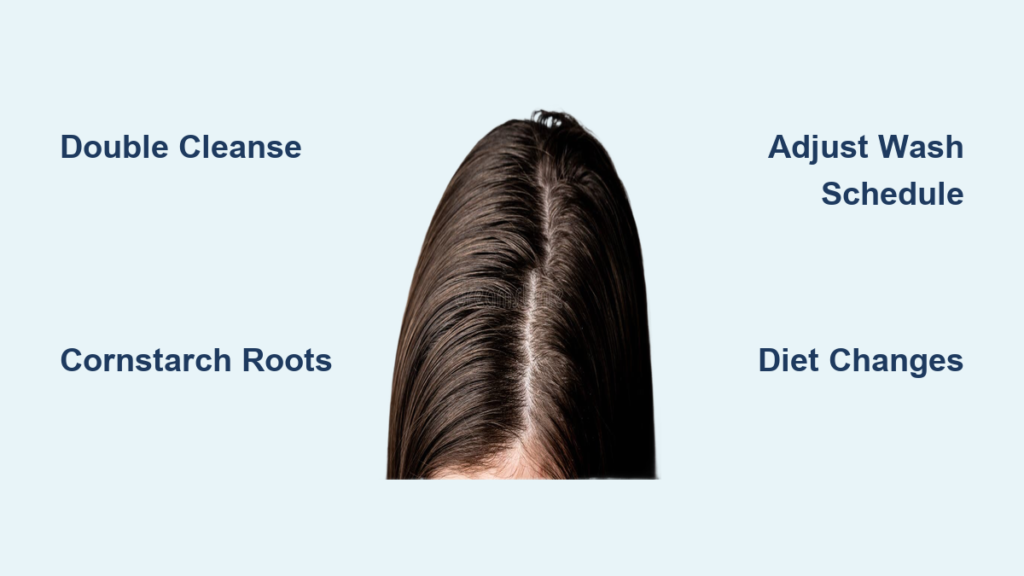
Waking up to limp, greasy hair just hours after washing is frustratingly common—but you don’t need dry shampoo to fix it. Relying on aerosol sprays only masks the problem while clogging follicles with residue. The real solution lies in understanding why your scalp overproduces oil and implementing targeted strategies that reset your hair’s natural balance. This guide reveals how to get rid of oily hair without dry shampoo using science-backed washing techniques, natural absorbents, and lifestyle tweaks that deliver lasting results. You’ll learn to manage excess sebum at the source so you can enjoy fresh, bouncy hair for 48+ hours between washes.
Why Your Scalp Overproduces Oil (And How to Stop It)
Your scalp’s sebaceous glands work overtime for specific reasons—it’s never random. Hormonal shifts during puberty, menstruation, or stress trigger excess sebum production, while harsh shampoos strip natural oils, causing rebound greasiness. Fine, straight hair shows oil faster than curly textures because oils travel unimpeded down the shaft. Crucially, overwashing creates a vicious cycle: stripping the scalp signals glands to produce more oil to compensate. Recognizing these triggers is your first step toward breaking free from the dry shampoo crutch.
Key Oil-Boosting Habits You’re Probably Making
- Hot water showers: Scalding water inflames follicles, spiking oil production. Switch to lukewarm temps.
- Conditioner on roots: Applying moisturizers near the scalp traps oil—keep products below ear level.
- Frequent hair touching: Transferring hand oils to roots adds visible greasiness within hours.
Double Cleanse Technique: Wash Oily Hair Without Stripping
Forget single-lather washes. A strategic double cleanse removes buildup while preserving moisture balance. Start with lukewarm water (hot water = more oil), then massage a sulfate-free clarifying shampoo only on your scalp for 60 seconds. Rinse thoroughly—this first pass breaks up oil without over-drying. Repeat with the same shampoo, adding water to create a rich lather that cleanses without stripping. Always finish with a cool-water rinse to seal the hair cuticle and slow sebum production.
Best Products for Oily Scalps
- Clarifying shampoo (1-2x/week): Look for salicylic acid to unclog pores. Avoid daily sulfate shampoos—they worsen oiliness.
- Gentle daily shampoo: Try rice water or apple cider vinegar formulas that balance pH.
- Critical mistake: Using heavy conditioners on roots. Apply only from mid-lengths to ends.
Finding Your Perfect Wash Schedule: Stop Over- and Under-Washing
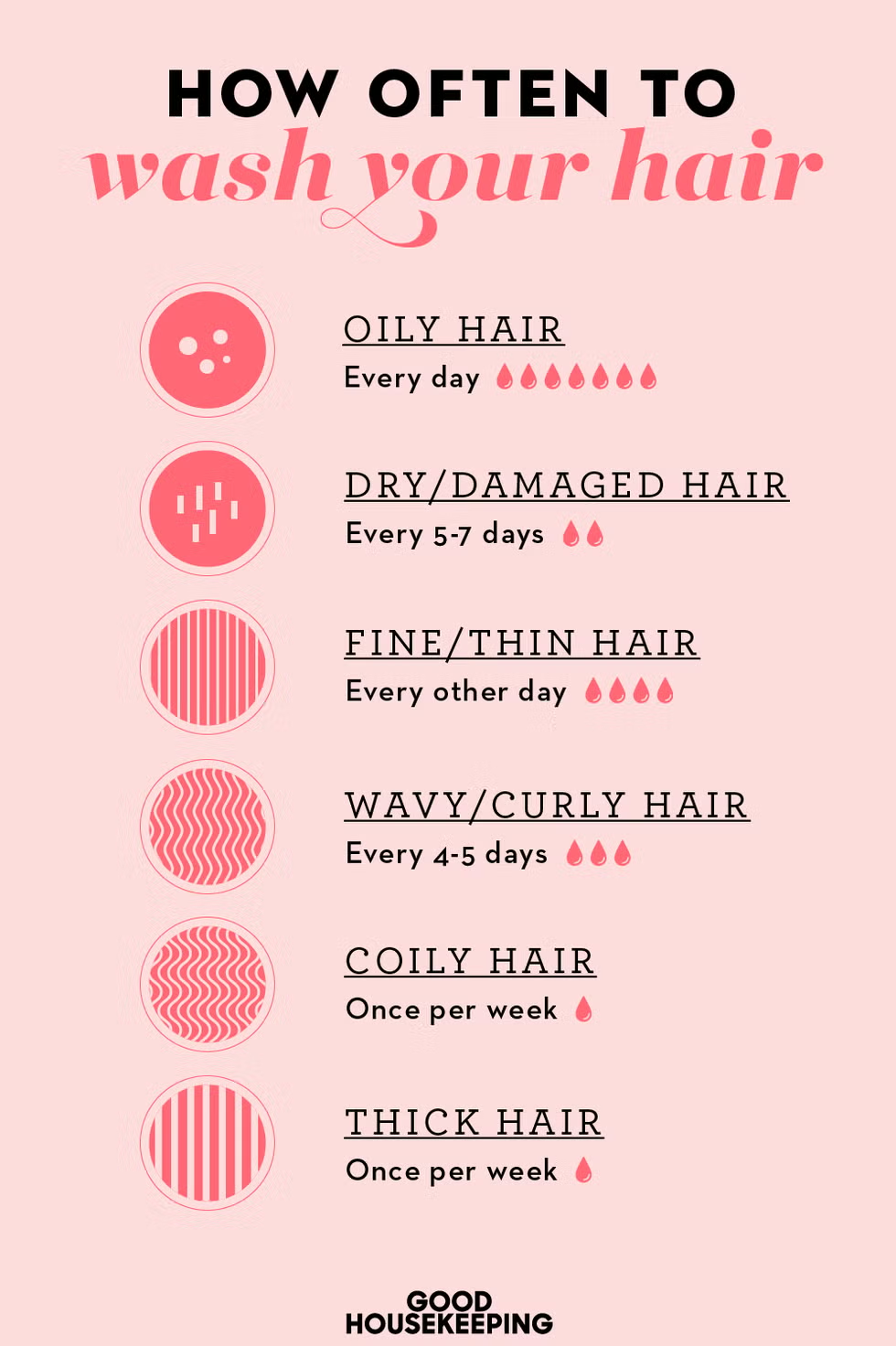
Washing daily trains your scalp to overproduce oil, but going 3+ days causes buildup that clogs follicles. Start by washing every other day, then gradually extend to every 3rd day as your scalp adjusts. For the “oily roots, dry ends” dilemma, focus shampoo solely on the scalp while skipping conditioner at roots. Track your progress in a hair journal—note oiliness levels after different foods, stressors, or product changes. Most see reduced greasiness within 2-3 weeks of consistent scheduling.
Troubleshooting Your Wash Frequency
- Still greasy after 2 days? Try an apple cider vinegar rinse (1 part ACV to 4 parts water) once weekly to dissolve buildup.
- Itchy, flaky scalp? You’re washing too little—add a clarifying shampoo session mid-week.
- Avoid the “training myth”: Never tolerate severe itching—it causes inflammation that worsens oiliness.
Hands-Off Styling: Prevent Oil Transfer to Hair Roots
Your styling habits directly impact oil visibility. Stop touching your hair—every finger-to-root contact deposits sebum, making hair look greasy faster. When brushing, use a natural boar bristle brush only from mid-lengths to ends to distribute minimal oils without moving scalp grease downward. For styling products, choose lightweight, non-comedogenic mists (avoid waxes or silicones) and apply strictly below the crown. Pull hair into loose, low-tension styles like braids to keep it off your neck and face.
Pro Stylist Tip for Oily Scalps
“Apply dry texture sprays only on mid-lengths—not roots—to add volume without residue. Heavy root products trap oil and accelerate greasiness. For bangs, sweep them sideways to avoid forehead oil transfer.”
Kitchen-Pantry Dry Shampoo: Cornstarch and Clay for Root Oil
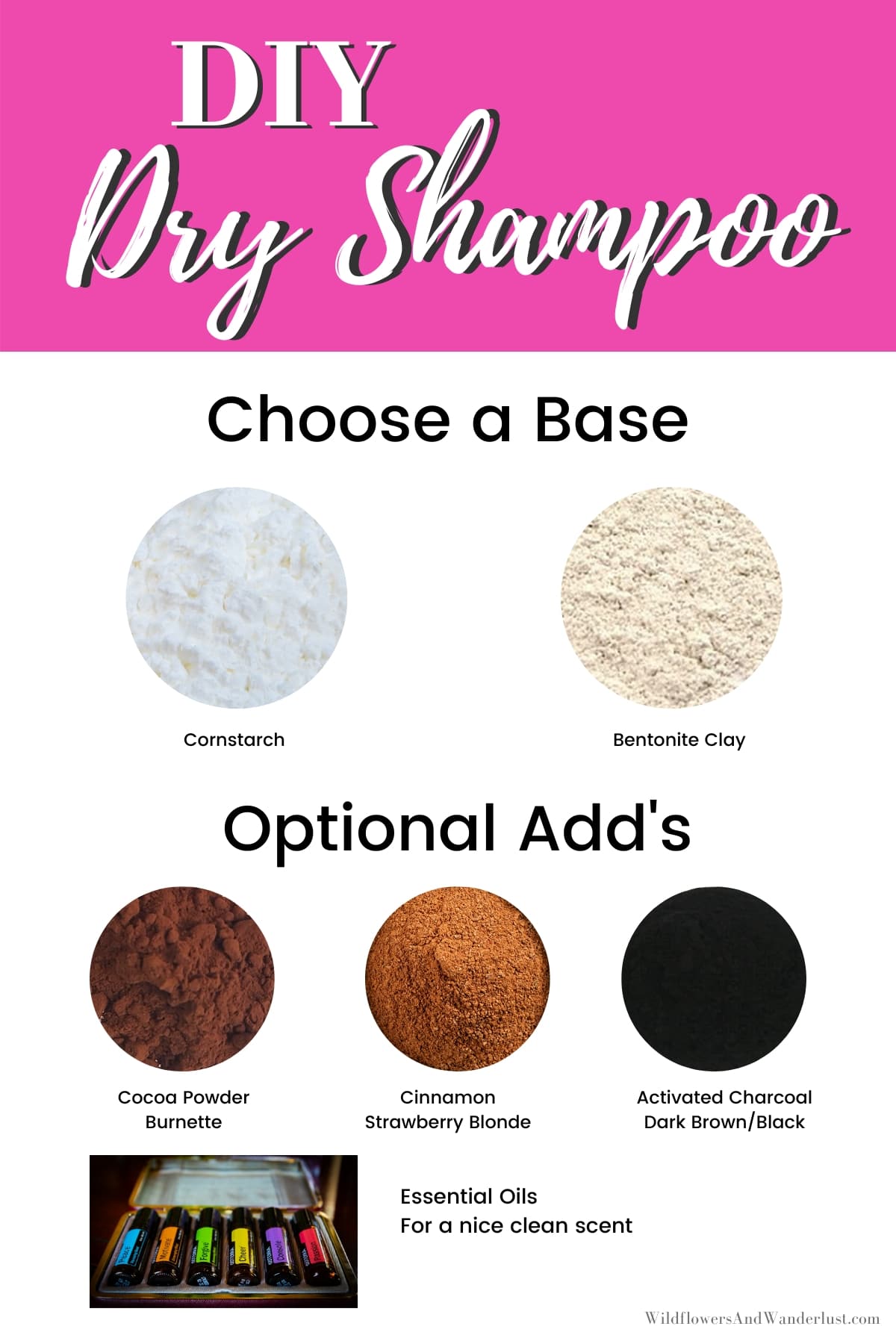
Skip store-bought powders—your kitchen holds better oil absorbers. For light hair, apply cornstarch directly to roots with a makeup brush; brunettes mix cocoa powder (1:3 ratio with cornstarch) to avoid white cast. Kaolin clay is gentler for sensitive scalps: mix with water into a paste, apply to roots, wait 5 minutes, then brush out. These absorb oil without propellants that clog follicles. Use sparingly—excess powder causes flakiness.
How to Apply Natural Absorbents Correctly
- Part hair into sections at the crown
- Dust powder 6 inches from roots (prevents clumping)
- Wait 5 minutes for oil absorption
- Brush vigorously with boar bristle brush
Warning: Baking soda is too alkaline for regular use—limit to once monthly to avoid scalp damage.
Diet Changes That Reduce Scalp Oil Production in 2 Weeks
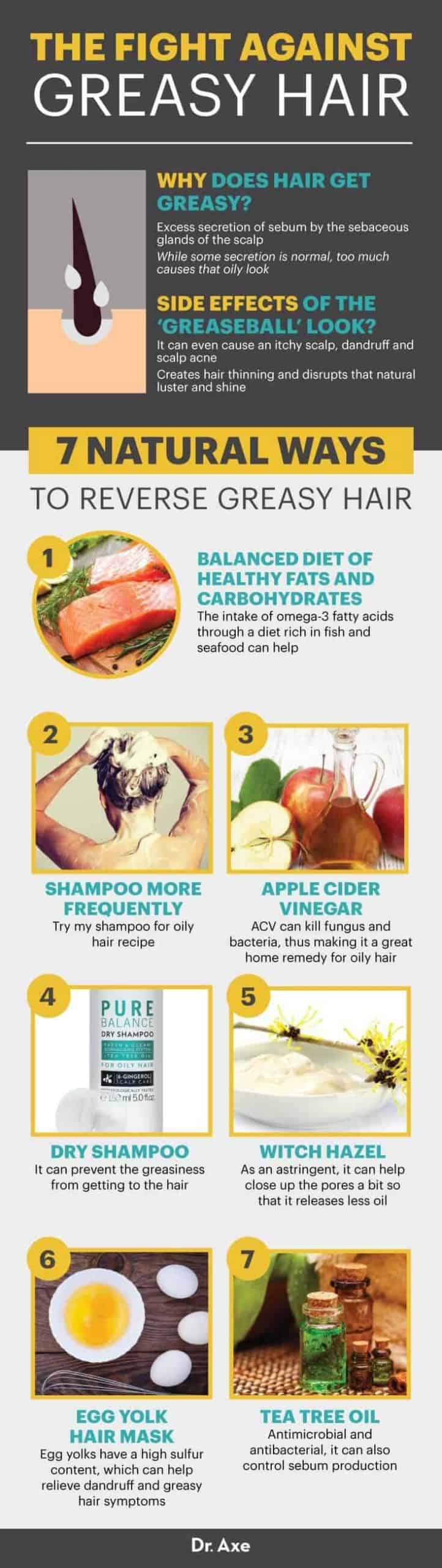
What you eat directly impacts sebum output. Processed sugars and fried foods spike insulin, triggering oil production—replace them with omega-3-rich foods like salmon and walnuts that reduce inflammation. Drink 2L of water daily to flush toxins, and add zinc-packed pumpkin seeds to regulate oil glands. Crucially, manage stress through 10-minute daily meditation—cortisol spikes directly stimulate sebaceous glands. Many report visibly less greasy hair within 14 days of these adjustments.
Oil-Reducing Foods to Prioritize
- Leafy greens (spinach, kale): High in B vitamins for scalp health
- Avocados: Monounsaturated fats balance moisture without heaviness
- Green tea: Contains EGCG that regulates sebum production
Avoid: Dairy and high-glycemic snacks—they’re proven oil triggers.
Seborrheic Dermatitis or Hormonal Imbalance? When to Call a Dermatologist
Natural methods won’t fix medical conditions. See a dermatologist immediately if you experience: sudden severe oiliness with hair loss, red/scaly patches (signs of seborrheic dermatitis), or acne alongside greasy hair (indicating PCOS). These require prescription treatments like ketoconazole shampoo or hormonal therapy. Never ignore persistent symptoms—untreated inflammation damages follicles long-term. For mild cases, try tea tree oil diluted in jojoba oil (2-3 drops per tbsp) as a pre-shampoo treatment to soothe irritation.
7-Day Oily Hair Reset Plan: Your Step-by-Step Guide
Start this actionable routine today to reset oil production:
Day 1-2: Double-cleanse with clarifying shampoo (scalp only), cool rinse
Day 3: Apply cornstarch to roots at night, brush out in morning
Day 4: Apple cider vinegar rinse after shampooing
Day 5: Wash with gentle shampoo, condition ends only
Day 6-7: Extend to no-wash days; use clay mask if needed
Track your progress: Most see reduced greasiness by Day 5. Continue the double-cleanse technique 2x/week, use natural absorbents sparingly, and maintain dietary changes. Within 30 days, your scalp will produce less oil naturally, giving you consistently fresh hair. Remember—consistency beats perfection. Skip one step? Resume immediately. Your hair’s health depends on daily habits, not quick fixes.
Final Note: Managing oily hair without dry shampoo isn’t about deprivation—it’s strategic care. By targeting root causes with these science-backed methods, you’ll achieve healthier hair that stays fresh longer. The real victory? Waking up to voluminous, grease-free locks without hiding behind powders.