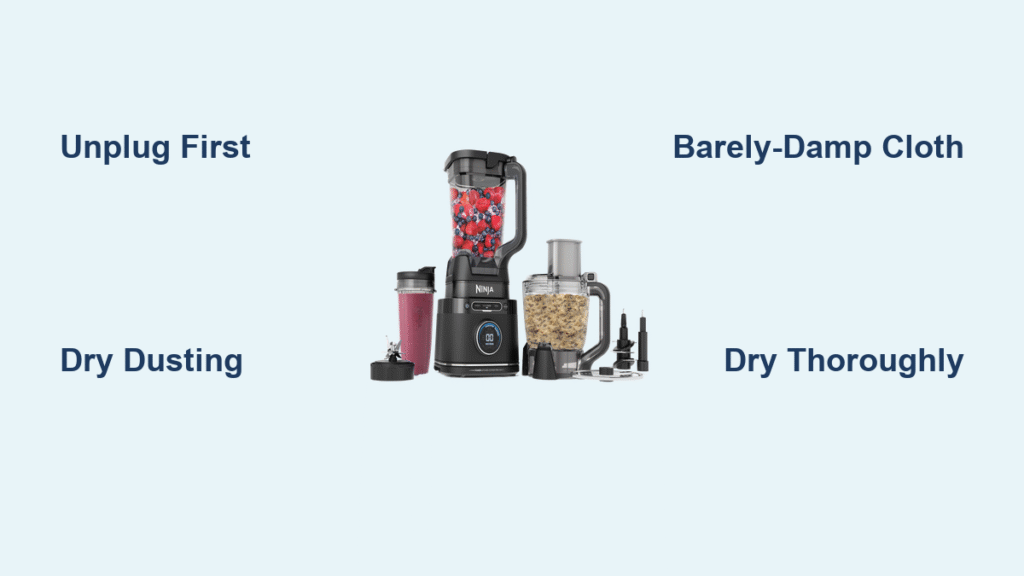
That persistent squeak from your Ninja blender has you reaching for the lubricant, but stop right there. Contrary to popular belief, how to lubricate Ninja blender components properly starts with understanding that most models never require user-applied oil. Ninja designs their blenders with sealed motor assemblies that shouldn’t need lubrication during normal operation. Applying oil where it doesn’t belong can cause leaks, damage internal components, and immediately void your warranty. This guide reveals when unusual noises actually indicate a problem, which maintenance steps you can safely perform at home, and why professional service beats DIY lubrication every time.
If your blender suddenly developed grinding sounds or resistance, you’re not alone—thousands of Ninja owners mistakenly believe lubrication will fix these issues. The reality? Food debris buildup or worn components are usually to blame, not lack of oil. Before you risk permanent damage, learn the correct troubleshooting sequence that maintains your warranty while restoring quiet operation. You’ll discover specific cleaning techniques that eliminate 90% of noise issues and recognize the rare situations when contacting Ninja support becomes essential.
Identify Your Specific Ninja Model First

Your blender’s maintenance requirements depend entirely on its exact model number. Newer Ninja models like the BL770 and Foodi系列 feature completely sealed bases with no user-serviceable parts, while older units might have slightly different designs. Grab your receipt or check the bottom sticker to find your precise model before proceeding—this determines whether any lubrication is even possible.
Locate Critical Model Information
- Flip your blender base to find the white sticker with model number (BL, NJ, or SP prefix)
- Check original packaging or purchase confirmation email if base sticker is worn
- Visit ninjakitchen.com to verify your model’s specifications using the serial number
- Note whether your model includes removable blade assemblies or sealed bases
Model-Specific Maintenance Rules
Ninja’s newer models (2018+) have completely sealed motor housings that explicitly prohibit user lubrication. Attempting to open these voids your warranty immediately. Older models might allow limited maintenance but still don’t require regular oiling. The Nutri Ninja series with magnetic drive systems has different service requirements than traditional blender models. Always confirm your specific model’s guidelines before attempting any internal work.
Diagnose the Real Cause of Unusual Noises
That grinding sound you’re hearing likely isn’t a lubrication issue at all. Ninja blenders operate at extremely high RPMs (up to 24,000), creating distinctive sounds that many owners mistake for mechanical problems. Learning to distinguish normal operation from actual malfunctions prevents unnecessary—and potentially damaging—interventions.
Common Noise Sources Mistaken for Lubrication Needs
Blade assembly issues:
– Food particles trapped between blade layers create grinding
– Loose gaskets vibrate against jar bases causing rattling
– Damaged blades hitting jar walls during high-speed operation
Normal operational sounds:
– Brief high-pitched whine during startup (motor acceleration)
– Consistent hum during liquid blending
– Variable pitch when processing different ingredient densities
Step-by-Step Diagnostic Test
- Remove all jars and attachments from the base unit
- Run the motor empty for 5 seconds—any noise indicates internal issues
- Reattach a clean, empty jar and run again to isolate the noise source
- Check blade assembly rotation by hand—should spin freely with slight resistance
- Inspect for visible damage to blades, gaskets, or jar bases
Perform Blade Assembly Deep Cleaning Instead of Lubrication

Over 80% of “lubrication needed” symptoms actually stem from food residue buildup in the blade assembly. The space between blade layers and the rubber gasket collects fibers, seeds, and starches that harden over time, creating resistance and unusual sounds. Proper cleaning eliminates these issues without risking warranty coverage.
Effective Deep Cleaning Procedure
Required supplies: Warm water, mild dish soap, soft-bristled brush (toothbrush works well), microfiber towel
- Remove the blade assembly from the jar base by twisting counterclockwise
- Soak in warm soapy water for 15-20 minutes to loosen stuck particles
- Use the brush to gently clean between blade layers and around the central post
- Pay special attention to the rubber gasket—remove and clean separately
- Rinse thoroughly under running water while rotating the assembly
- Air dry completely for at least 2 hours before reassembly
Critical Cleaning Mistakes to Avoid
- Never soak the entire blade assembly for more than 30 minutes (can damage seals)
- Avoid abrasive scrubbers that scratch blade surfaces
- Don’t force stuck components—soak longer instead
- Never reassemble while damp (promotes mold growth in hidden areas)
Recognize When Professional Service Is Required
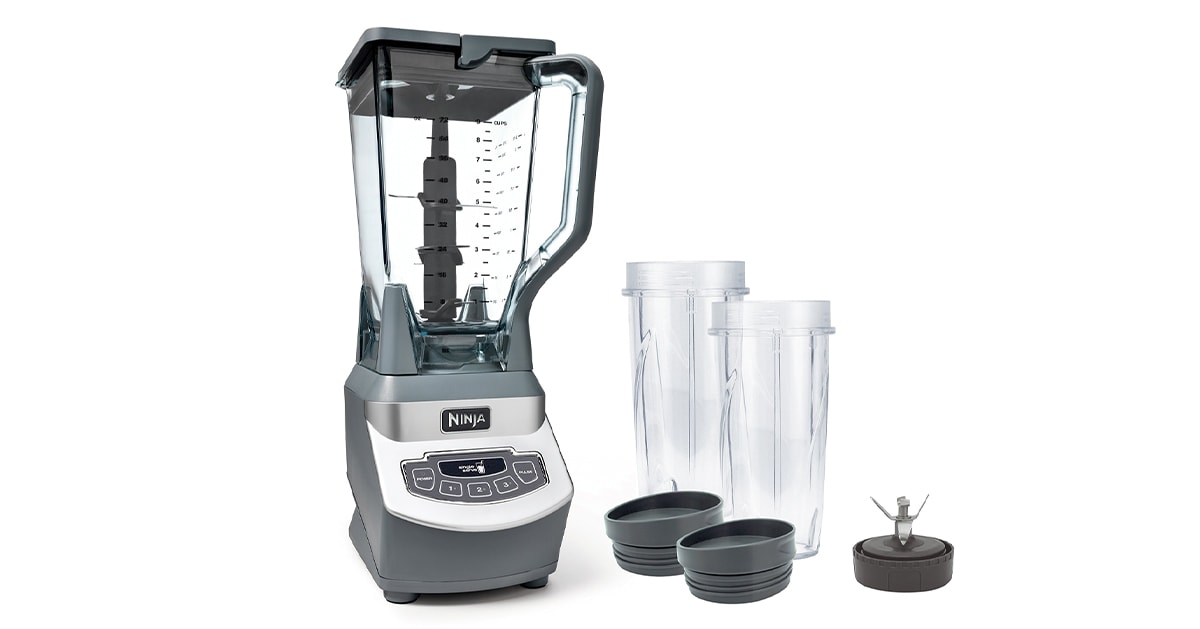
Certain symptoms indicate genuine mechanical problems that require authorized Ninja technicians. These professionals use specialized tools and manufacturer-approved lubricants in controlled amounts at specific points—something impossible to replicate safely at home. Knowing when to stop DIY efforts prevents turning a minor issue into a total replacement scenario.
Clear Indicators for Professional Repair
- Burning smell during operation (indicates motor strain)
- Visible oil leakage from the base unit
- Complete failure to start despite proper assembly
- Grinding noise persists after thorough cleaning and component inspection
- Unusual vibrations that shake the entire countertop
How to Access Authorized Service
Contact Ninja directly through their official support channels rather than searching for third-party repair shops. Visit ninjakitchen.com/support, enter your model number, and follow the prompts for service options. Their technicians have access to proprietary lubricants designed specifically for Ninja components and know exactly where minimal application is necessary. For most warranty-covered issues, they’ll often replace entire assemblies rather than attempt lubrication.
Implement Proper Usage Habits to Prevent Future Issues
The most effective “lubrication” for your Ninja blender comes from correct usage patterns that minimize strain on components. Many noise issues develop from consistent overloading or improper ingredient preparation that forces the motor to work harder than necessary.
Daily Operation Best Practices
- Always add liquids before solids to create a vortex that reduces strain
- Cut hard ingredients into 1-inch cubes before blending
- Never exceed the MAX fill line—overfilling causes motor overload
- Use pulse function for thick mixtures instead of continuous high-speed blending
- Allow 2 minutes of cooling time between intensive blending sessions
Ingredient-Specific Guidelines
- Frozen fruit: Always pair with liquid (1:1 ratio minimum)
- Leafy greens: Add after liquid and soft ingredients
- Nuts/seeds: Use dedicated grinding containers if available
- Hot liquids: Never exceed 180°F and fill only halfway
- Fibrous vegetables: Cut into small pieces and blend with ample liquid
Replace Worn Components Rather Than Attempt Lubrication
When components show visible wear, replacement—not lubrication—restores optimal performance. Ninja designs their blenders with specific wear points that can be easily replaced by users without opening the sealed motor housing.
Identifying Components Needing Replacement
- Blade assemblies: Dull edges, visible nicks, or wobbling during rotation
- Rubber gaskets: Cracks, tears, or permanent deformation
- Jars: Cloudiness, deep scratches, or hairline cracks
- Lids: Broken locking mechanisms or worn seals
Ordering Genuine Replacement Parts
Visit ninjakitchen.com/parts and enter your exact model number to find compatible components. Genuine Ninja parts maintain proper tolerances that aftermarket alternatives often lack, preventing the very issues users mistakenly try to fix with lubrication. Replacement blade assemblies typically cost $15-$30 and install in seconds—far more effective than risking damage with improper lubrication.
Your Ninja blender’s engineering eliminates the need for user-applied lubrication through sealed, maintenance-free motor designs. When unusual noises occur, focus first on thorough cleaning of removable components and proper usage techniques before considering more invasive measures. Remember that persistent issues after following these steps indicate the need for professional service—not DIY oil application. By understanding what your blender actually needs (and what it definitely doesn’t), you’ll maintain peak performance throughout its expected lifespan while keeping warranty protection intact. The most effective “lubrication” for your Ninja blender is simply using it correctly and keeping components clean—no oil required.