Nothing ruins a backyard barbecue faster than watery, limp coleslaw from the deli counter. Your Ninja blender can transform fresh ingredients into restaurant-quality slaw in under 10 minutes—with crisp texture and bright flavors that store-bought versions simply can’t match. This guide walks you through every step, from selecting the perfect cabbage to achieving that elusive creamy-yet-crunchy balance that keeps guests coming back for seconds. Unlike traditional hand-shredding methods that leave your knuckles raw, your Ninja blender delivers perfectly uniform pieces with minimal effort.
Ninja Blender Setup for Perfect Coleslaw Consistency

Compatible Models and Blade Selection
Your Ninja blender’s stacked blade assembly creates ideal coleslaw texture—never use the dough blade or smoothie attachments for this task. Whether you own the Ninja Professional 1000, Nutri Ninja, or Foodi Power Blender, any model with pulse control works perfectly. The key is understanding that cabbage requires short, controlled bursts rather than continuous blending. Fill the pitcher no more than three-quarters full with 2-inch cabbage chunks to prevent uneven processing. Models with 900+ watts handle dense cabbage cores with ease, but even entry-level Ninjas deliver excellent results when used correctly.
Equipment Checklist for Streamlined Preparation
Gather these essentials before starting: a Ninja blender with 48-64 oz pitcher, sharp chef’s knife for initial prep, large mixing bowl for final assembly, rubber spatula for scraping, and measuring cups. Don’t skip the airtight storage containers—properly stored slaw maintains crispness for days. Having everything ready prevents mid-process scrambling that leads to over-processed vegetables. The right tools transform what could be a messy chore into a satisfying culinary experience that takes less time than waiting in the deli line.
Fresh Vegetable Selection and Preparation Strategies
Choosing Cabbage That Maintains Crunch
Select firm, heavy heads with crisp outer leaves that feel substantial for their size. Green cabbage provides classic flavor while red cabbage adds visual appeal and complexity—combine both for professional results. One medium head (about 2 pounds) yields 8 cups shredded, perfect for a standard batch. Avoid pre-cut bags unless absolutely necessary; the moisture trapped in packaging creates soggy slaw. Properly stored whole cabbage lasts weeks in your crisper drawer, giving you flexibility for last-minute meal planning.
Carrot and Vegetable Processing Sequence
Peel three large carrots and cut into 2-3 inch segments for optimal blending. For best results, process cabbage first using 4-5 controlled pulses, then transfer to your mixing bowl before pulsing carrots separately. This sequential approach prevents uneven textures that occur when blending dissimilar vegetables together. Hand-chop about 10% of your vegetables to create texture variation—this restaurant trick fools even discerning palates into thinking you spent hours preparing by hand.
Precision Processing Techniques for Ideal Texture
Mastering the Pulse Method
Over-processing is the #1 cause of mushy coleslaw—a mistake easily avoided with proper technique. Fill your Ninja pitcher partially with cabbage chunks, then use 3-5 quick pulses while checking consistency after each burst. Target pieces about 1/8-inch thick that maintain their shape when tossed. Stop while pieces still look slightly chunky; they’ll soften slightly when dressed. For homestyle texture, aim for 8-12 total pulses. Restaurant-fine requires 15-20 pulses maximum—never exceed 10 seconds continuous processing.
Troubleshooting Common Texture Issues
If your slaw turns out watery, you’ve likely over-processed the vegetables or skipped the critical drying step. Stir in 1 tablespoon additional mayonnaise to restore creaminess. Too chunky? Brief additional pulsing fixes under-processed pieces—just 2-3 more bursts usually does the trick. For uneven texture, process smaller batches next time and always check consistency before adding more vegetables to the pitcher. Remember: it’s easier to process more than to fix mushy slaw.
Creamy Dressing Formulas and Flavor Balancing
Classic Dressing Recipe with Ninja Shortcut
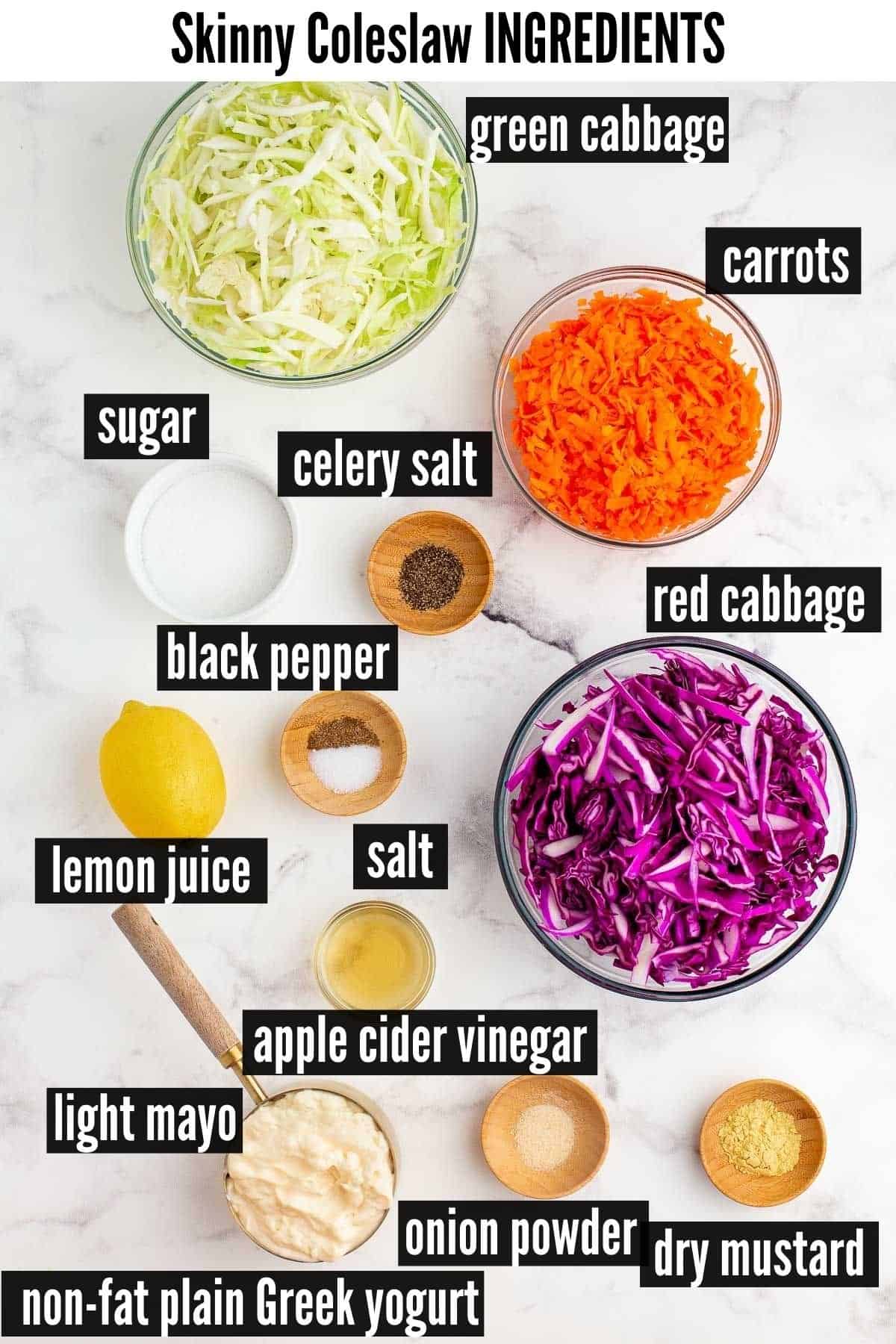
In your clean blender pitcher, combine ½ cup mayonnaise, 2 tablespoons apple cider vinegar, 2 tablespoons sugar, 1 teaspoon Dijon mustard, ½ teaspoon salt, ¼ teaspoon black pepper, and ½ teaspoon celery seed. Process on low for 10 seconds until smooth. The blender’s vortex action emulsifies dressing ingredients perfectly, eliminating whisking effort. Taste and adjust before combining with vegetables—add sugar for sweetness or vinegar for tang. This method creates silkier dressing than hand-whisking while ensuring sugar dissolves completely.
Flavor Correction Techniques for Perfect Balance
| Problem | Quick Fix |
|---|---|
| Too sweet | Add ½ teaspoon apple cider vinegar |
| Too tangy | Mix in 1 tablespoon mayonnaise |
| Needs brightness | Squeeze in ½ teaspoon fresh lemon juice |
| Lacks depth | Include 1 tablespoon grated onion |
For Asian-inspired variation, replace mayonnaise with ¼ cup each rice vinegar and sesame oil, plus 1 tablespoon soy sauce and sesame seeds. Southwest style adds ½ cup corn kernels and black beans with cumin and chili powder. These variations demonstrate how easily your Ninja blender adapts to different culinary traditions.
Assembly Protocol for Maximum Flavor Development
Combining Vegetables and Dressing Properly
Transfer processed vegetables to a large bowl before pouring dressing over them—never dress directly in the blender pitcher. Fold ingredients together gently with a rubber spatula until evenly coated, being careful not to crush the vegetables. Cover tightly and refrigerate at least 30 minutes; this crucial chilling period allows flavors to meld while maintaining crunch. Taste and adjust seasoning after chilling—vegetables absorb flavors as they rest.
Storage and Make-Ahead Strategies
Store coleslaw in airtight containers at 40°F or below for 3-5 days of peak freshness. If liquid separates (a natural occurrence), simply stir before serving. For make-ahead convenience, keep vegetables and dressing separate, combining 2-4 hours before serving. This prevents premature softening while allowing sufficient time for flavor development. When scaling up for parties, add 10% extra dressing to account for increased vegetable absorption over time.
Batch Scaling Formulas for Any Occasion
Small Batch for Intimate Gatherings (2-3 servings)
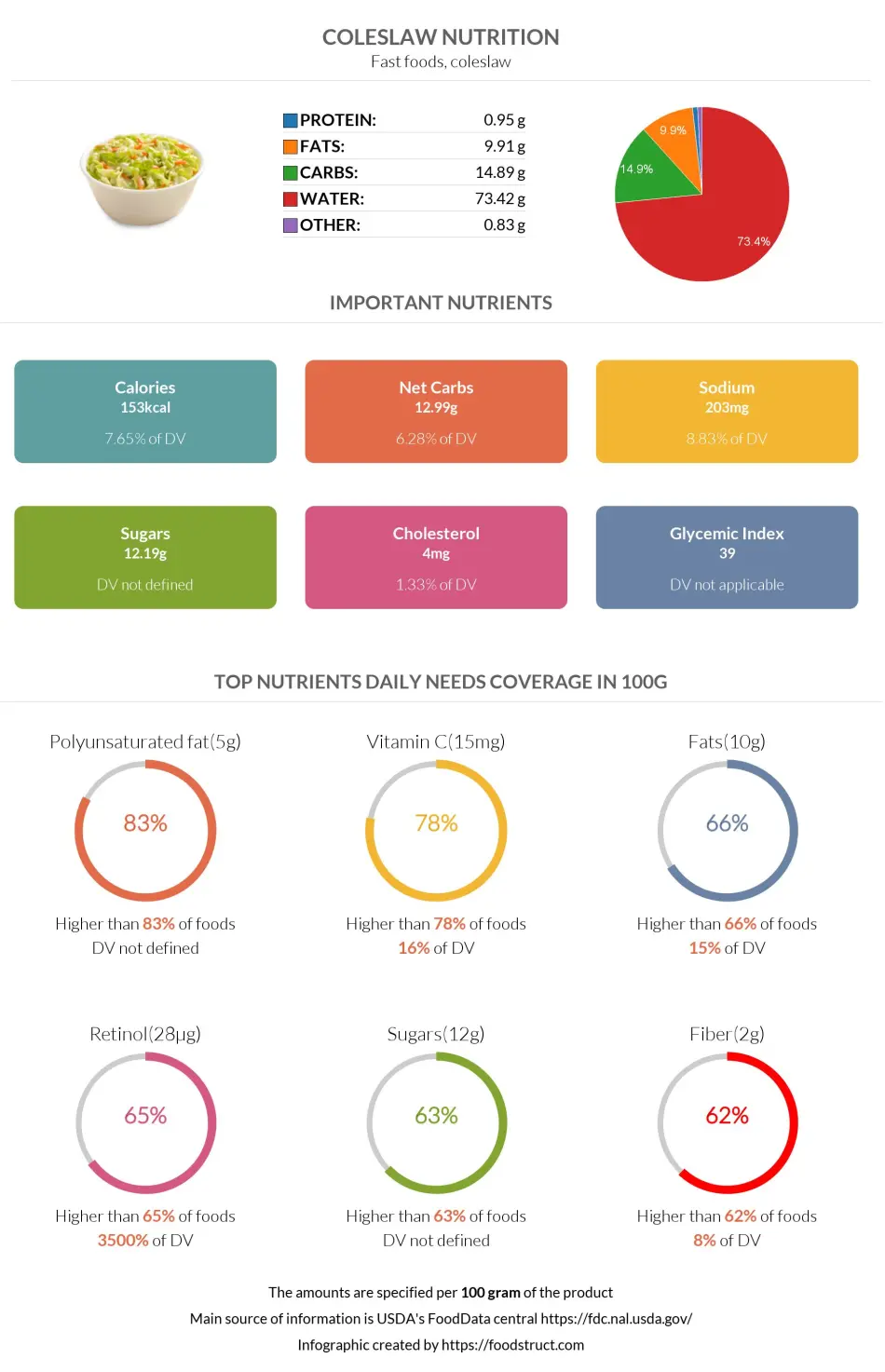
Process 4 cups shredded cabbage and 1 medium carrot using 8-10 pulses. Use ¼ cup mayonnaise, 1 tablespoon each vinegar and sugar. Perfect for weeknight dinners or small gatherings, this portion fits neatly in your Ninja pitcher without overcrowding.
Large Batch for Family Gatherings (10-12 servings)
Scale up to 3 pounds total cabbage and 6 medium carrots. Increase dressing to 1½ cups mayonnaise, 6 tablespoons each vinegar and sugar. Process vegetables in 3-4 separate blender loads to maintain texture consistency, combining in a large bowl before adding dressing. This quantity fills a standard 9×13 dish beautifully.
Pro Tip for Texture Perfection
Reserve 10% of your vegetables to hand-chop after processing the majority in your Ninja. This creates subtle texture variation that elevates homemade slaw to restaurant quality. Toss the hand-chopped pieces in with the machine-processed vegetables after dressing for that professional finishing touch.
Ninja Blender Cleaning and Maintenance
Immediate Post-Use Cleaning Procedure
Rinse your Ninja pitcher with warm water immediately after use—don’t let cabbage fibers dry and harden. Fill halfway with warm water and a drop of dish soap, then pulse 2-3 times to clean the blades thoroughly. Disassemble and wash all parts, paying special attention to the blade assembly where cabbage fibers often hide. Drying completely prevents cabbage odor retention between uses.
Odor Elimination Technique
Blend a mixture of 2 cups water and 2 tablespoons lemon juice for 30 seconds to eliminate lingering cabbage smells. The citric acid neutralizes odors effectively without harsh chemicals. Rinse well and air-dry all components completely before storage. Proper cleaning ensures your Ninja remains ready for its next culinary task without transferring flavors between recipes.
Your Ninja blender transforms coleslaw from a last-minute grocery store grab into a fresh, vibrant side dish that elevates any meal. Master these techniques once, and you’ll never settle for soggy deli slaw again. The combination of precise processing control and fresh ingredients creates coleslaw that’s simultaneously creamy and crunchy—exactly what your summer gatherings deserve. With proper storage, your homemade slaw stays fresh for days, making it perfect for meal prep enthusiasts. Next time you’re preparing pulled pork sandwiches or grilled chicken, reach for your Ninja blender instead of the deli counter—you’ll taste the difference immediately.