That sudden flicker from your swing-arm floor lamp isn’t just annoying—it’s a warning sign. When the light dims as you adjust the arm or you catch a faint burning smell near the socket, your lamp’s wiring is failing. Ignoring these issues risks electrical shorts, fire hazards, or dangerous shocks. Rewiring a swing arm floor lamp is a critical safety upgrade you can complete in under two hours with basic tools. This guide cuts through the fluff to deliver the exact steps for safe, lasting repairs—specifically addressing swing-arm challenges like cord strain at pivot points and motion-related wire damage. You’ll learn how to correctly identify hot/neutral wires, manage cord slack for full arm movement, and pass the crucial 10-minute heat test that proves your repair is safe.
Most DIY rewiring fails because people skip swing-arm-specific checks. They reconnect wires but miss how arm movement pinches cords or forget strain relief at the base. This causes flickering to return within weeks. I’ve seen lamps fail because the ribbed neutral wire was connected to the brass terminal—a deadly reversal that energizes the socket shell. By following this precise method, you’ll avoid those traps and create a repair that lasts for years. Let’s get your lamp working safely tonight.
Critical Safety Steps Before Touching Your Lamp’s Wires
Unplug the lamp immediately and verify zero power—this isn’t optional. Place your hand on the lamp base; if it feels warm, wait 30 minutes for components to cool before proceeding. For swing-arm lamps, also check for visible cord damage where the arm pivots. If you spot melted insulation, charred plastic, or cracked socket parts, stop and consult an electrician—these indicate serious hazards beyond DIY repair. Never work on a plugged-in lamp, even if the switch is off.
Essential Tools for Swing-Arm Lamp Rewiring
Gather these before starting to avoid mid-project delays:
– Wire strippers (not scissors—nicked wires cause shorts)
– Phillips and flathead screwdrivers (for socket and base screws)
– Needle-nose pliers (to maneuver wires in tight arm channels)
– SJTW-rated replacement cord (16-gauge, outdoor-rated for durability—not standard lamp cord)
– Voltage tester (to confirm zero power at the socket)
Skip the cheap cord. Standard SPT-1 cord cracks when bent repeatedly in swing arms. SJTW’s thicker, oil-resistant jacket withstands constant motion. A 6-foot length costs $5 but prevents future rework.
Why Swing-Arm Lamps Demand Extra Safety Checks
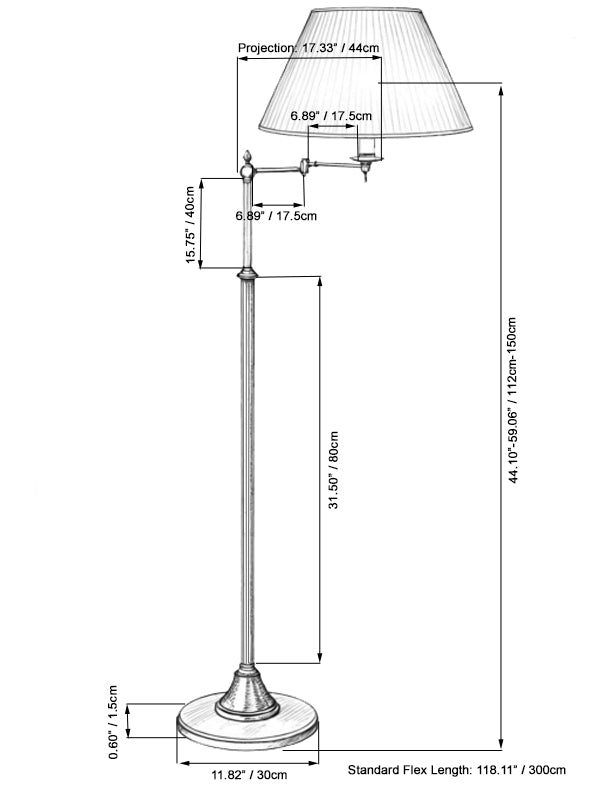
Swing-arm mechanics create unique risks standard lamp guides ignore. As you move the arm, wires twist and rub against metal pivot points. This frays insulation over time, causing intermittent shorts. Always inspect the entire cord path inside the arm before disassembly. If the old cord shows kinks or abrasion near joints, your repair must include extra slack at those points. Failure here means rewiring again in six months.
Step-by-Step Disassembly: Removing Old Wiring Without Damage
Swing-arm lamps hide wiring behind deceptive simplicity. Forceful disassembly cracks plastic sockets—a $30 mistake. The key is releasing the socket shell correctly. Most modern lamps use a “press-and-pull” mechanism, not screws.
How to Unlock Stuck Socket Shells Without Breaking Plastic
- Unplug the lamp and remove the bulb/harp/shade.
- Locate the seam near the socket’s base (often marked “PRESS”).
- Squeeze the lower shell inward with thumb and forefinger while pulling downward. Do not twist—this strips internal threads. If stuck, tap the seam gently with a rubber mallet.
- Pull straight down until the shell separates from the socket base. You’ll expose two terminal screws (brass and silver) with wires attached.
Pro Tip: Place a towel under the lamp. Small parts like socket springs often fly out when released.
Identifying Hot vs. Neutral Wires: Avoiding Deadly Reversals
This is where 90% of DIY repairs fail. The ribbed/grooved wire is neutral (connects to silver screw). The smooth wire is hot (brass screw). Reversing these energizes the entire metal socket shell—creating shock risk when changing bulbs.
- Take a photo of the old wiring before disconnecting anything.
- Loosen terminal screws counterclockwise with a screwdriver.
- Pull wires straight out—don’t yank, as this damages socket terminals.
- Note cord routing through the arm. Swing-arm lamps often have internal grommets where the cord bends sharply.
Critical Check: If the old cord’s insulation is cracked or browned near the socket, replace the socket assembly too. Heat damage compromises safety.
Installing New Wiring: Swing-Arm Slack & Socket Connection Secrets
Standard lamp rewiring guides fail swing-arm models by ignoring motion requirements. Your new cord must have slack at pivot points to prevent future breaks.
Why SJTW Cord Prevents Future Swing-Arm Failures
Never reuse old cord ends. Cut 18 inches extra from your SJTW cord. Thread it from the base upward:
1. Feed the cord through the base channel, leaving 4 inches slack inside the base compartment.
2. Work it up the arm using needle-nose pliers at pivot joints.
3. At each bend point, add a 1-inch loop in the cord. This is non-negotiable for swing arms. Without loops, arm movement pulls tension directly onto socket wires.
4. Pull 6 inches of cord through the socket opening for connection.
Visual Cue: When fully assembled, the cord should never stretch tight when the arm is extended. Move the arm through its full range—it should glide smoothly with no cord resistance.
Correct Socket Wiring Technique for Safety
Mistake Alert: Wrapping wires clockwise around terminals prevents loosening. Counterclockwise wraps slip under vibration.
1. Strip 3/4 inch of insulation from both cord ends. Do not nick copper strands.
2. Hook the ribbed (neutral) wire clockwise around the silver screw. Tighten firmly.
3. Hook the smooth (hot) wire clockwise around the brass screw. Tighten.
4. Tuck wires neatly into the socket base—no strands touching metal.
Pro Tip: Wrap connections with electrical tape before reassembling the socket shell. This blocks stray strands from causing shorts.
Reassembly: Securing Cords for Full Arm Movement

A poorly secured cord causes flickering within days. Swing-arm lamps demand strain relief at two points: the base and pivot joints.
Strain Relief Knots That Survive Daily Use
- Inside the base compartment, tie a figure-eight knot in the cord 2 inches above the exit hole. This stops tension from transferring to socket wires.
- At each pivot joint, secure the cord with a zip tie loosely against the arm’s interior channel. Never overtighten—this pinches wires. Leave 1/8 inch play for movement.
- Reassemble the socket shell by aligning tabs and pressing upward until it clicks. Do not force it.
Test Before Final Assembly: Plug into a GFCI outlet, install a 40W bulb, and toggle the switch. If it doesn’t light, unplug and check:
– Wires reversed at socket?
– Figure-eight knot pulled loose?
– Cord pinched at pivot point?
Why Your Swing Arm Lamp Fails After Rewiring

Most “fixed” lamps fail within weeks due to overlooked motion dynamics. Here’s what goes wrong:
Pivot Point Pinching: The Silent Flicker Cause
As you swing the arm, the cord rubs against metal edges inside joints. Without slack loops, this:
– Wears insulation thin within 50 movements
– Exposes copper causing intermittent shorts
– Creates flickering that worsens with arm position
Fix: During reassembly, move the arm to its extreme positions. The cord should never touch metal edges. Add rubber grommets at friction points if needed.
Loose Strain Relief: The Fire Hazard You Can’t See
A missing figure-eight knot lets cord tension yank socket wires loose. This causes:
– Arcing at terminals (visible as black scorch marks)
– Overheating that melts socket plastic
– Fire risk from sustained sparking
Check: After assembly, grip the plug and tug firmly. The cord shouldn’t move at the base exit. If it does, redo the strain relief knot.
Final Safety Test: Pass the 10-Minute Heat Check
Skipping this risks fire. Your repair isn’t done until it passes:
- Plug into a GFCI outlet (critical for safety).
- Install a 60W equivalent LED bulb (low heat, but same electrical load).
- Run the lamp for 10 minutes with arm in fully extended position.
- Check for danger signs:
- ✅ Safe: Cord/base feels cool to touch
- ❌ Danger: Warmth at socket, burning smell, or flickering
- ❌ Stop Immediately: Unplug and recheck all connections
Expert Note: If the plug prongs feel warm, your cord gauge is too thin. Replace with 14-gauge SJTW cord immediately.
Maintenance Tips to Avoid Future Rewiring
A properly rewired swing-arm lamp lasts 10+ years with these habits:
– Every 6 months: Unplug and inspect cord at pivot points for kinks. Apply silicone lubricant to metal joints.
– Never force the arm into position—this strains internal wires.
– Replace bulbs only when cool to prevent thermal shock to sockets.
– Use LED bulbs exclusively—they run 80% cooler than incandescents, reducing wire stress.
If flickering returns, check strain relief knots first. 70% of repeat failures trace to cord movement at the base. Tighten the figure-eight knot and retest.
Final Note: You’ve now transformed a fire hazard into a safely functioning lamp. The key was respecting swing-arm mechanics—slack loops at pivots, SJTW cord, and that non-negotiable 10-minute heat test. Bookmark this guide for your next lamp repair, and remember: when wires show heat damage, no DIY fix is worth the risk. Consult an electrician if you spot melted insulation or persistent flickering after rewiring. Your safe reading light is worth the precision.