You’ve seen those flawlessly rolled blunts on social media—tight cylinders with even burns that last for hours. But when you try it yourself, you end up with canoeing disasters that unravel before the first hit. The difference isn’t luck; it’s mastering three critical techniques most beginners miss. This guide cuts through the guesswork with pro-approved methods that transform your blunt from a hasty smoke into a slow-burning masterpiece. You’ll learn exactly how to pack, seal, and finish blunts that burn clean from tip to tip—using only gas station materials and 5 minutes of practice.
White Owl vs Games: Choosing Your First Wrap for Reliable Burns
Skip dry, brittle wraps that tear during rolling. Freshness matters more than brand prestige—gas station White Owls consistently outperform stale smoke shop options due to better humidity control. Check for pliability: gently bend the cigarillo. If it cracks audibly, it’s too dry for clean gutting. Games wraps run thinner and tear easier but burn cooler when handled correctly. For your first 5 rolls, prioritize White Owls—their thicker leaf forgives minor rolling errors while delivering that iconic smooth draw. Avoid flavored wraps initially; vanilla or honey coatings mask technique flaws and cause harsh hits when overheated.
Why Gas Station Wraps Beat “Premium” Options for Beginners
- Consistent humidity: Gas stations rotate stock faster than smoke shops
- Thicker leaf: White Owl wrappers resist tearing during the critical tuck phase
- Predictable burn: Unflavored tobacco wraps ignite evenly without chemical aftertaste
- Cost efficiency: $1-$2 per wrap allows practice without guilt
Gutting Your Wrap Without Tearing the Leaf
Never slice cigars open with a knife—that creates jagged edges that unravel during rolling. Instead, use the thumb-split method: Place the cigarillo on a flat surface and press your thumbnail along its seam. Apply firm, even pressure while rotating the wrap 180 degrees. The tobacco core should separate cleanly, leaving an intact leaf cylinder. If resistance occurs, warm the wrap 4-6 inches from a lighter flame for 10 seconds—any closer risks scorching. For pre-rolled wraps like Game Leafs, unroll slowly while misting the inner seam with water from a spray bottle. Your goal: a single, supple leaf sheet with zero perforations.
Fixing Dry Wraps in Under 60 Seconds
- Post-shower humidity hack: Roll in your bathroom immediately after a hot shower
- Fruit peel revival: Seal stiff wraps in a ziplock with orange peel for 2 hours
- Emergency mist: Lightly spray water along the seam ONLY (never saturate)
- Avoid: Direct flame contact—this cooks oils and creates burn holes
The Even-Packing Method That Prevents Canoeing

Overpacking the ends causes 90% of canoeing failures. Grind flower to medium consistency (like coarse sand) using a two-piece metal grinder—hand-breaking creates uneven chunks that burn unpredictably. Lay the gutted wrap flat and sprinkle material in three stages: 40% down the center, then 30% toward each end. Roll the wrap between your palms like a burrito to distribute weight evenly. When done right, the blunt should feel like a firm pencil—no soft spots or hard lumps. Test by holding it horizontally; if material slides, repack immediately.
Critical Visual Cues for Perfect Distribution
- Center line: Material should form a straight ridge down the wrap’s length
- Tapered ends: Slightly less density at tips prevents “mushrooming” when lit
- No valleys: Run your finger along the seam—if it dips, material is uneven
- Consistent diameter: Should match a standard pen (5-6mm) from end to end
Sealing Blunts That Never Unravel: Glue vs Spit Showdown
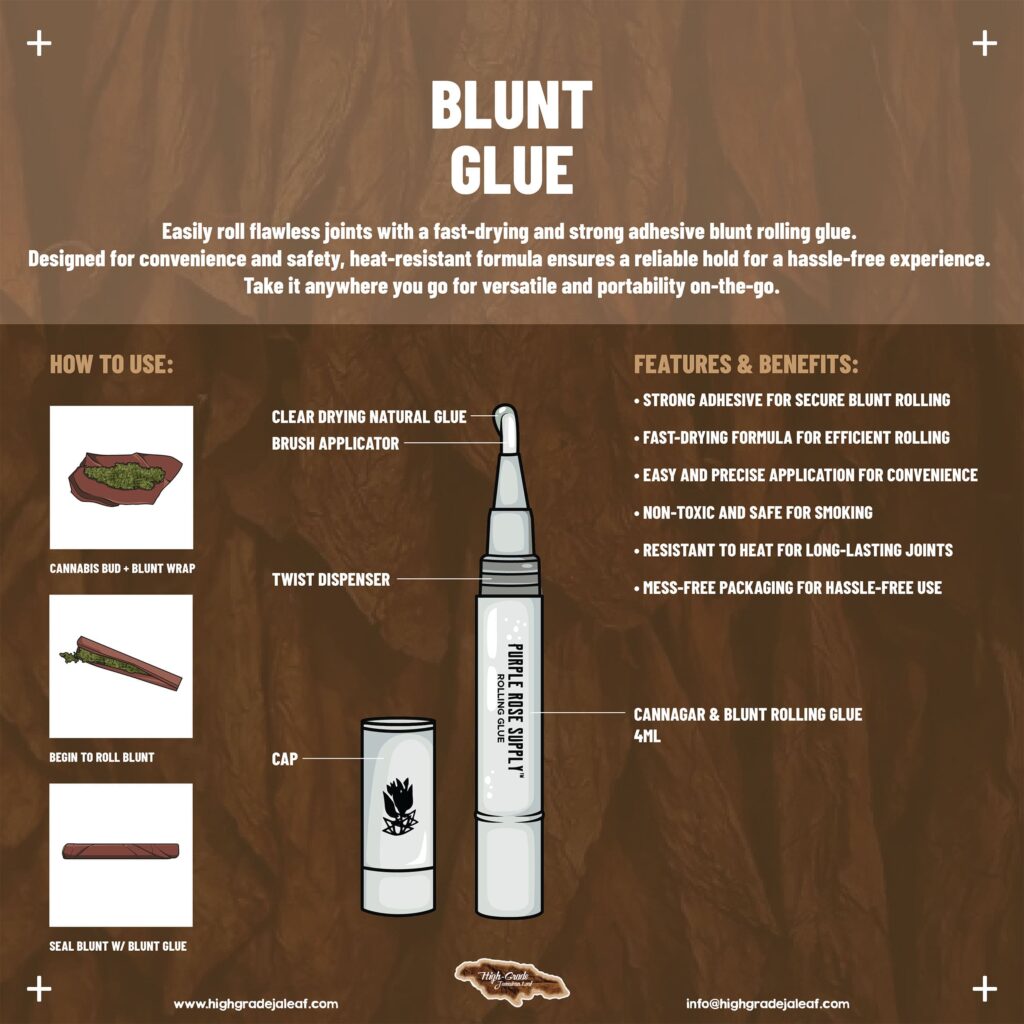
Licking the entire seam drowns the wrap and guarantees unraveling. Pros use targeted adhesive application: Dab cigar glue (or honey diluted 1:1 with water) ONLY along the final 1/8-inch of the inner seam. Roll the blunt away from you while applying even thumb pressure along the glued edge. Immediately follow with the lighter-paste technique: Pass a flame 2 inches from the seam for 3 seconds while rotating. This activates the adhesive without burning the leaf. For emergency fixes, use a toothpick to apply saliva precisely to the seal point—not the entire seam.
Why Spit Fails Where Glue Succeeds
| Method | Seal Strength | Burn Consistency | Reliability |
|---|---|---|---|
| Saliva | Weak (fails in humidity) | Uneven (causes runs) | 2/10 |
| Cigar Glue | Industrial-strength | Perfectly straight | 9/10 |
| Honey Paste | Strong (water-resistant) | Slightly slower burn | 8/10 |
Packing the Tip for Flavor-Packed First Hits

Most beginners light blunts immediately after rolling, wasting the best flavors. Instead, execute the tamper technique: Insert a pen cap or blunt tool 1/2 inch into the mouthpiece end. Gently twist while applying downward pressure to compress the material into a firm 3mm “head.” This creates three critical benefits: prevents loose material from falling out, ensures smooth airflow from the first puff, and stops the tip from burning too hot. For extra polish, twist the mouthpiece end 2-3 times while holding it between your fingers—this seals the tip without crinkling the wrap.
Troubleshooting Runaway Canoeing in Real Time
When your blunt starts burning sideways (canoeing), never fan the ember—that worsens unevenness. Immediately apply the crack-and-roll fix: Gently pinch the unburned side between thumb and forefinger while rotating the blunt 180 degrees. The “crack” redistributes material toward the hot side. Blow softly on the ember to cool it, then resume smoking normally. If canoeing persists, your initial pack was flawed—stop, repack the uneven section with fresh material, and reseal. Pro tip: Rotate the blunt 90 degrees every 2-3 puffs to maintain even combustion.
Why Your Blunt Won’t Stay Lit (And the 10-Second Fix)
Tight packing starves the ember of oxygen—the #1 cause of frequent relights. Before lighting, test airflow by sucking gently on the mouthpiece. If resistance feels like sipping a thickshake, you’ve overpacked. The emergency fix: Insert a toothpick down the center channel and twist to create micro-air channels. For future rolls, aim for “firm but forgiving” density—when squeezed, the blunt should spring back slightly. If using dry flower, add one drop of water to the material before packing (never wet the wrap itself).
Pro-Level Finishing Touches for Instagram-Worthy Blunts
Elevate your blunt from functional to flawless with these barista-level details. After sealing, roll the blunt firmly on your tray to eliminate air pockets—listen for a consistent “thump” sound indicating even density. Trim uneven ends with sharp scissors at a 45-degree angle for clean lighting. For glass-like smoothness, apply a final seal by rubbing the seam with a beeswax-coated finger. Store finished blunts upright in a cool, dark place; never refrigerate (condensation ruins burns). The ultimate test: a perfectly rolled blunt should float horizontally when balanced on your finger.
Avoid These 3 Beginner Mistakes That Ruin Blunts
Overfilling the wrap stretches the leaf thin, causing instant canoeing. Fill only 70% of the wrap’s capacity—material expands when heated. Rushing the seal creates weak points where ember races. Hold glued seams under finger pressure for 15 full seconds before lighting. Ignoring humidity turns wraps brittle in dry climates. Keep a damp paper towel in your rolling kit (never touching wraps directly) to maintain ideal 60% humidity.
Mastering how to roll cool blunts hinges on three non-negotiables: even material distribution, precision sealing, and tip compression. Skip the guesswork—use White Owls, cigar glue, and the tamper technique for blunts that burn slower and smoother than store-bought joints. Your first 3 rolls will still be messy, but by the fifth attempt you’ll notice dramatically cleaner burns. Remember: the perfect blunt isn’t about fancy tools—it’s about respecting the physics of combustion. Now roll one using these steps, and you’ll never go back to haphazard packing. For deeper troubleshooting, study wrap burn patterns—they’ll tell you exactly where your technique needs adjustment.