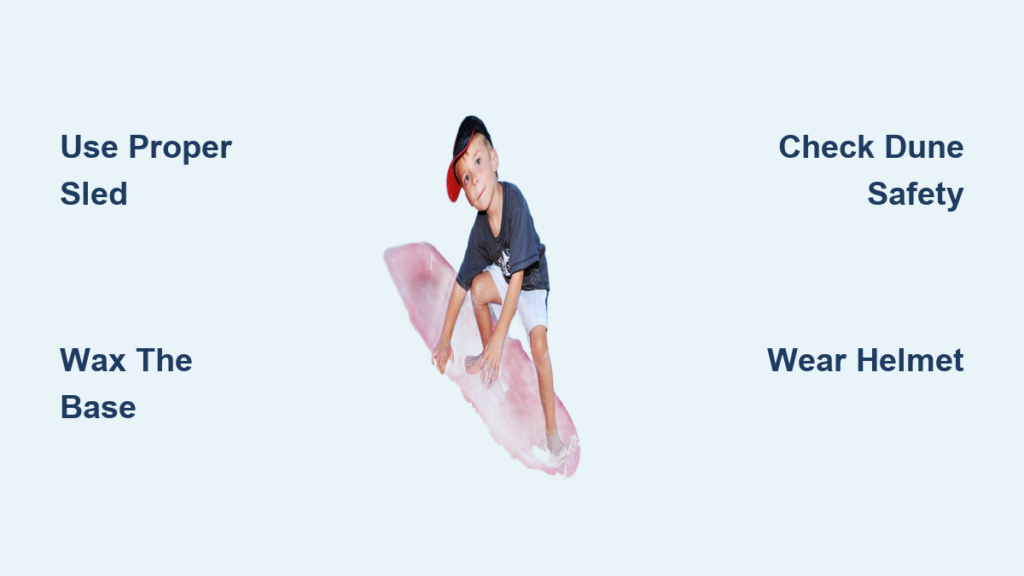
There’s nothing quite like the rush of speeding down a massive sand dune, wind in your face and golden sand spraying behind you. If you’ve ever wondered how to sled on sand dunes, you’re in for an accessible adventure that combines the thrill of winter sports with the unique beauty of desert landscapes. Unlike traditional snow sledding, sand dune sledding requires specific techniques and gear to handle the soft, granular surface that behaves very differently than snow. The heat, the fine grit, and the constantly shifting terrain present unique challenges that make mastering how to sled on sand dunes both exciting and rewarding.
Whether you’re visiting famous dune fields like those in California’s Mojave Desert, Oregon’s Oregon Dunes National Recreation Area, or planning an international trip to desert destinations, understanding the fundamentals is crucial. Many first-timers make the mistake of bringing regular snow sleds, only to discover they barely move on sand. With the right preparation and knowledge of how to sled on sand dunes properly, you’ll transform what could be a frustrating experience into an unforgettable adventure that’s perfect for all ages and skill levels.
Selecting the Right Sand Sled for Optimal Performance
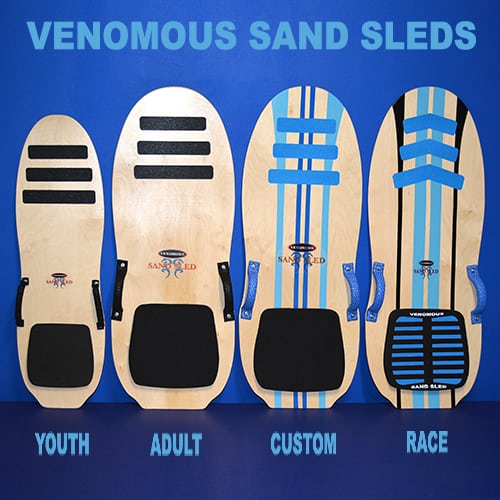
Your choice of sled makes or breaks your sand dune sledding experience. Regular plastic snow sleds simply won’t cut it on sand—they lack the specialized base needed to overcome the high friction of dry sand particles. When learning how to sled on sand dunes effectively, investing in proper equipment is non-negotiable for both performance and safety.
Types of Sand Sleds and Their Benefits
Purpose-Built Sand Sleds: These typically feature a smooth, slick bottom made from materials like Formica or specially treated wood that glides effortlessly over sand. Many come with handles for better control during descent. The best models have a slight upward curve at the front to prevent nose-diving into the sand.
Waxed Snowboards and Skis: With proper waxing (more on this later), these can work surprisingly well. The key is applying multiple layers of glide wax specifically designed for warm conditions. This option offers more maneuverability but requires better balance.
DIY Sand Sled Solutions: In a pinch, you can create a functional sled using a piece of cardboard coated with candle wax or a plastic tray from packaging. While not ideal for extended use, this approach works for casual sledding when proper equipment isn’t available.
Waxing Techniques for Maximum Speed
Unlike snow, where wax choice depends on temperature and snow conditions, sand requires specific wax formulations. Paraffin-based glide wax works best, and the application process is critical:
- Heat the wax slightly (using a hairdryer works well in the desert heat)
- Rub generously across the entire base surface
- Allow to cool completely before buffing with a clean cloth
- Reapply every 3-5 runs as the sand wears it down
Pro Tip: Carry a small container of extra wax in your pack—re-waxing mid-session can dramatically improve your speed when the sun heats the sand.
Finding and Assessing the Perfect Dune for Sledding

Not all sand dunes are suitable for sledding. Choosing the right location determines whether you’ll have a smooth, exhilarating ride or a frustrating, potentially dangerous experience. Mastering how to sled on sand dunes starts long before you take that first descent.
Characteristics of an Ideal Sledding Dune
Look for dunes with these specific features:
– Slope Angle: 30-45 degrees is perfect for beginners; steeper slopes (45-60 degrees) offer more speed for experienced riders
– Surface Texture: Fine, dry sand provides the smoothest ride; avoid damp or coarse sand which creates more resistance
– Clear Run-Out Zone: At least 50 feet of flat, obstacle-free space at the bottom
– Height: 50-150 feet offers the best balance of thrill and manageability
Safety Assessment Checklist Before Your First Run
Before committing to a descent, always:
– Walk the entire route to identify hidden hazards
– Check for vegetation, rocks, or animal burrows
– Verify no one is sledding below you
– Ensure the run-out area has no sudden drop-offs
– Note wind conditions—strong winds can affect control
Never skip this assessment step when learning how to sled on sand dunes. What looks like a perfect dune from a distance might hide dangerous obstacles up close.
Perfecting Your Sand Dune Sled Riding Technique
The technique for sand sledding differs significantly from snow sledding due to sand’s higher friction coefficient and lack of consistent surface. Understanding these differences is essential when learning how to sled on sand dunes successfully.
Beginner-Friendly Positioning Methods
Sitting Position: Best for first-timers—sit upright with feet forward, hands gripping the sides. This position offers maximum control with minimal speed. Keep your weight centered and slightly back to prevent face-planting.
Prone Position: Lie flat on your stomach with arms extended forward. This lowers your center of gravity for increased stability but requires more core strength. Beginners often find this position more intuitive for maintaining balance.
Steering and Speed Control Essentials
Unlike snow, where subtle weight shifts steer your sled, sand requires more deliberate movements:
- Turning: Shift your weight gradually in the direction you want to go—abrupt movements cause flipping
- Slowing Down: Drag your feet lightly along the sides of the sled (not underneath)
- Stopping Completely: Increase foot pressure gradually until you come to a controlled stop
Never attempt to stop by digging your hands into the sand—the friction can cause severe abrasions or broken fingers.
Advanced Sandboarding Techniques
Once comfortable with basic sledding, try these progression techniques:
– Standing Position: Similar to snowboarding, requires excellent balance but delivers the smoothest ride
– Carving Turns: Shift weight to edges of the board for controlled, flowing turns
– Jumping Small Berms: Time your approach to launch off natural dune features
Remember: Sand provides less forgiveness than snow, so progress gradually when learning how to sled on sand dunes at more advanced levels.
Efficient Dune Climbing Strategies for Multiple Runs
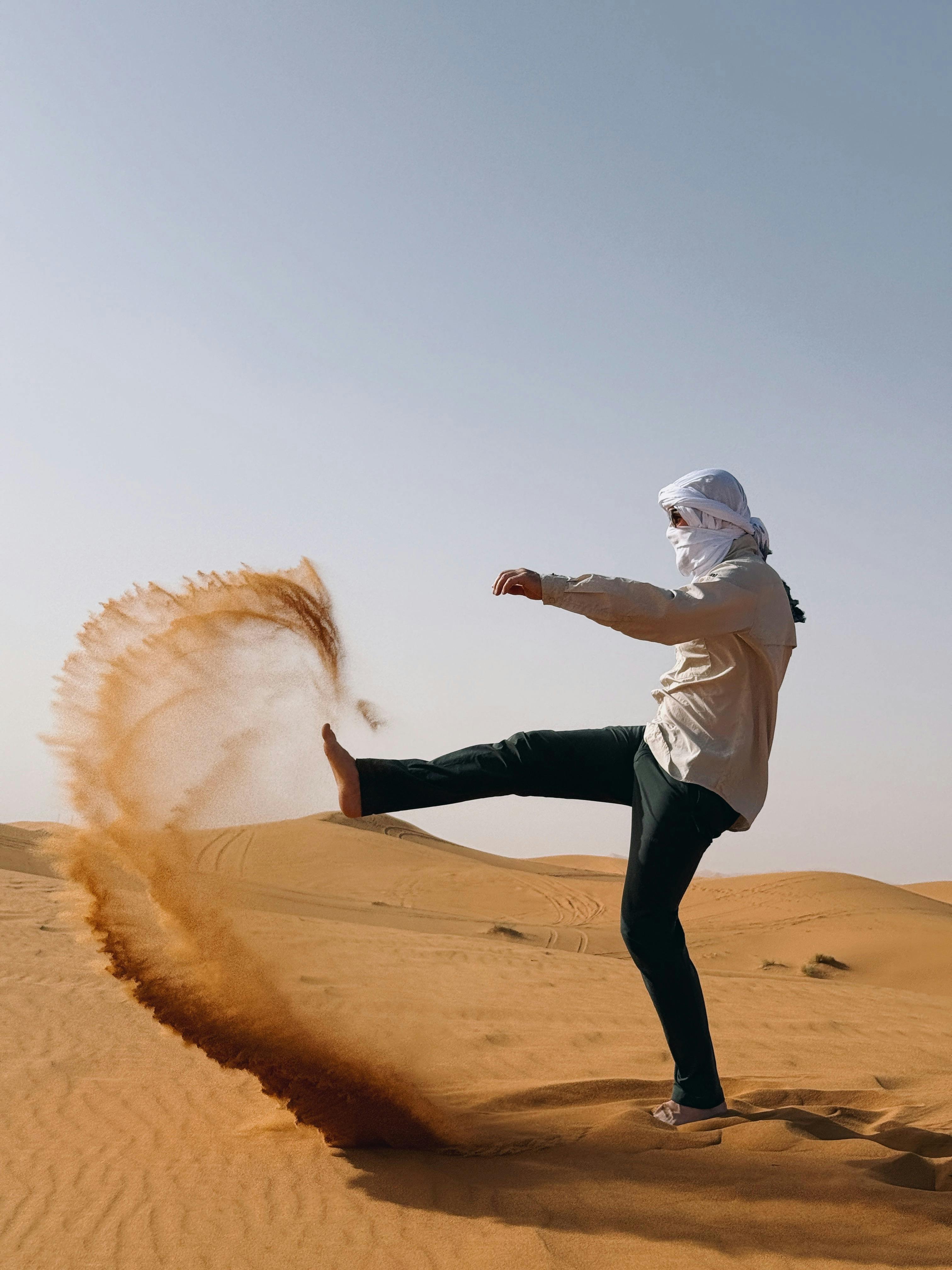
The climb back up the dune is often more challenging than the descent itself. Mastering efficient climbing techniques means you can enjoy more runs without exhausting yourself—a crucial aspect of how to sled on sand dunes sustainably.
The Kick-Step Technique for Maximum Traction
Instead of taking normal walking steps, use this specialized method:
1. Plant your entire foot firmly into the sand
2. Slide your back foot up to meet it, creating a small step
3. Repeat, using your momentum to push upward
4. Take shorter, more frequent steps than you would on solid ground
This technique minimizes sinking and conserves energy, allowing for more runs per session.
Gear Management During the Ascent
Carrying your sled up requires strategy:
– For seated sleds: Carry it horizontally across your shoulders
– For boards: Use a shoulder strap if available
– For improvised sleds: Drag behind you to prevent sand accumulation underneath
Pro Tip: Take regular breaks every 15-20 steps—your legs will thank you during multiple runs.
Non-Negotiable Safety Practices for Sand Dune Sledding
While sand dune sledding appears less dangerous than snow sports, the desert environment presents unique hazards that demand serious attention when learning how to sled on sand dunes.
Essential Protective Gear You Must Wear
- Helmet: Sand impacts can be surprisingly forceful—always wear a certified helmet
- Goggles: Sand in your eyes during descent can cause loss of control
- Long-Sleeved Shirt and Pants: Protects against sunburn and sand abrasions
- Closed-Toe Shoes: Sandals won’t protect your feet during climbs or falls
Environmental Safety Considerations
The desert demands respect:
– Hydration: Carry at least 1 liter of water per hour of activity
– Sun Protection: Apply SPF 50+ sunscreen to all exposed skin every 2 hours
– Temperature Awareness: Avoid sledding during peak heat hours (10am-4pm)
– Buddy System: Never sled alone—desert injuries can become serious quickly
Remember: Sand dunes may look soft, but impacts at high speed can cause serious injury. Proper safety measures aren’t optional when mastering how to sled on sand dunes.
Timing Your Sand Dune Sledding Adventure for Optimal Conditions
The time of day dramatically affects your sand sledding experience. Understanding these patterns is a key component of how to sled on sand dunes successfully.
Morning vs. Afternoon Sledding Conditions
Early Morning (6am-10am):
– Cooler temperatures make climbing more comfortable
– Sand is slightly more compact from overnight cooling
– Best visibility for spotting hazards
– Less crowded at popular dune areas
Late Afternoon (4pm-Sunset):
– Warmer sand provides faster sledding
– Longer shadows help identify dune contours
– More pleasant temperatures after peak heat
– Beautiful lighting for photos
Avoid midday sledding when temperatures soar and the sand becomes too hot for comfortable handling.
Seasonal Considerations for Different Locations
- Desert Locations: Winter and spring offer the most comfortable temperatures
- Coastal Dunes: Summer provides ideal conditions with warmer sand
- International Destinations: Research local climate patterns—some desert regions have rainy seasons that affect sand conditions
The best time to learn how to sled on sand dunes is during mild weather with dry sand conditions—typically spring or fall in most desert locations.
Mastering how to sled on sand dunes opens up a world of desert adventure that combines physical challenge with pure fun. Start with proper equipment on a moderate dune, perfect your technique through multiple runs, and always prioritize safety. With these fundamentals in place, you’ll transform what might seem like an impossible activity into one of the most exhilarating outdoor experiences available. Remember that sand dune sledding rewards patience—your first few runs might feel awkward, but with practice, you’ll develop the rhythm that makes gliding down a mountain of sand feel like second nature. Pack your gear, respect the desert environment, and prepare for an adventure that blends childhood fun with adult thrills in one of nature’s most dramatic landscapes.