
Your dog’s first night in a tent can turn into chaos if they’re unprepared – pacing, whining, or worse, tearing through the fabric when startled by a raccoon. Yet with proper training and gear, tent camping transforms from a potential disaster into your strongest bonding experience. This guide cuts through the fluff to show exactly how to take a dog tent camping safely, covering critical steps most owners miss. You’ll learn why breed-specific prep matters more than you think, how to set up a dog-proof campsite in 10 minutes, and what to do when your dog bolts after a squirrel at 2 a.m. Forget generic advice – these actionable steps come straight from wilderness canine safety protocols.
Why Your Dog Might Fail Tent Camping (And How to Prevent It)
Most failed dog camping trips start months before you hit the trail. Your dog’s temperament and training foundation determine success more than any gear you pack. Dogs easily startled by wind or wildlife sounds often panic when tent fabric rustles at night. High-prey-drive breeds like Australian Shepherds may ignore commands when chasing squirrels, while reactive dogs create unsafe situations near other campers. The fix starts at home with targeted desensitization.
Test Your Dog’s Wilderness Readiness First
Before booking a site, conduct these critical assessments:
– The “Distraction Challenge”: Practice “sit/stay” commands while squirrels run nearby or camp chairs collapse
– Noise Tolerance Test: Play recordings of coyotes, wind, and campfire sounds at increasing volumes
– Leash Recall Drill: Command “come” when your dog is 50+ feet away near high-interest distractions
If your dog fails consistently, postpone your trip. A dog ignoring commands on suburban streets won’t magically listen when a deer darts past your tent. Begin daily 10-minute drills using high-value treats like freeze-dried liver until reliability hits 95%.
Crate-Train for Instant Campsite Security
A crate-trained dog adapts 3x faster to tent life. Transform their home crate into a wilderness den by:
1. Setting up the tent in your living room with the crate inside
2. Placing your unwashed t-shirt and a favorite chew toy inside
3. Feeding all meals in the crate while the tent is pitched
Pro Tip: For dogs new to crates, use a pop-up soft crate inside the tent – it prevents them from puncturing sleeping pads with claws during nighttime panic. Never leave food in the crate overnight; this attracts wildlife.
Must-Have Gear Checklist for Dog Tent Camping

Packing the wrong gear risks your dog’s safety. Skip the “cute” accessories and focus on these non-negotiables tested in real wilderness scenarios. A 2023 study of 500 emergency vet visits during camping trips revealed 68% involved preventable paw injuries or dehydration – both solved with proper gear.
Critical Safety & Health Items
- Paw Protection System: Closed-cell foam pad (NOT air mattress) + 4 dog booties + veterinary wrap
- Water Safety Kit: Collapsible bowl + dedicated water bottle + portable filter (Sawyer Squeeze)
- Emergency Tether: 30-foot long line with swivel clip (prevents tangling in tent stakes)
- Dog-Specific First Aid: Styptic powder, tick remover, and muzzle (even friendly dogs bite when injured)
Never skip: A recent photo of your dog on your phone. When a German Shepherd bolted from a Colorado campsite, owners without photos wasted 45 minutes describing him to rangers while he ran deeper into bear country.
Smart Campsite Setup in 10 Minutes

Your first hour at the campsite determines safety. Follow this sequence:
1. Establish zones immediately: Position tent on footprint tarp 20+ feet from fire pit
2. Deploy the overhead trolley: String rope between two trees 5-8 feet high with carabiner
3. Create relief area: Mark 200+ feet from water sources with biodegradable bags
4. Place dog bed: In tent corner with your scent-covered blanket
Crucial Mistake: Never tether directly to tent stakes – your dog’s movement will collapse the tent. The overhead trolley system gives freedom without compromising security.
Nighttime Camp Management: Stop Tent Anxiety Now
The first night is make-or-break. Dogs often whine or pace due to unfamiliar sounds, but improper management turns this into destructive behavior. Most owners make these critical errors that escalate anxiety.
Secure Sleeping Without Crate Trauma
Even crate-trained dogs need nighttime security protocols:
– Leash to anchor point: Clip to heavy log or your ankle with 2-foot slack
– White noise buffer: Battery-powered fan masks wildlife sounds
– Temperature control: Cooling mat for summer, insulated pad for cold
Warning: Never leave a tethered dog unattended at night. A startled dog can wrap the line around trees or drag the anchor into fire pits.
Midnight Potty Strategy That Works
When your dog whines at 3 a.m., avoid these mistakes:
– ❌ Letting them roam the campsite (risk of wildlife encounters)
– ❌ Using bright headlamps (disrupts night vision)
– ✅ Use red-light headlamp mode + walk on leash to designated relief zone
– ✅ Return immediately without play or treats (prevents “potty = fun” association)
Trail Safety: Leash Rules and Wildlife Avoidance
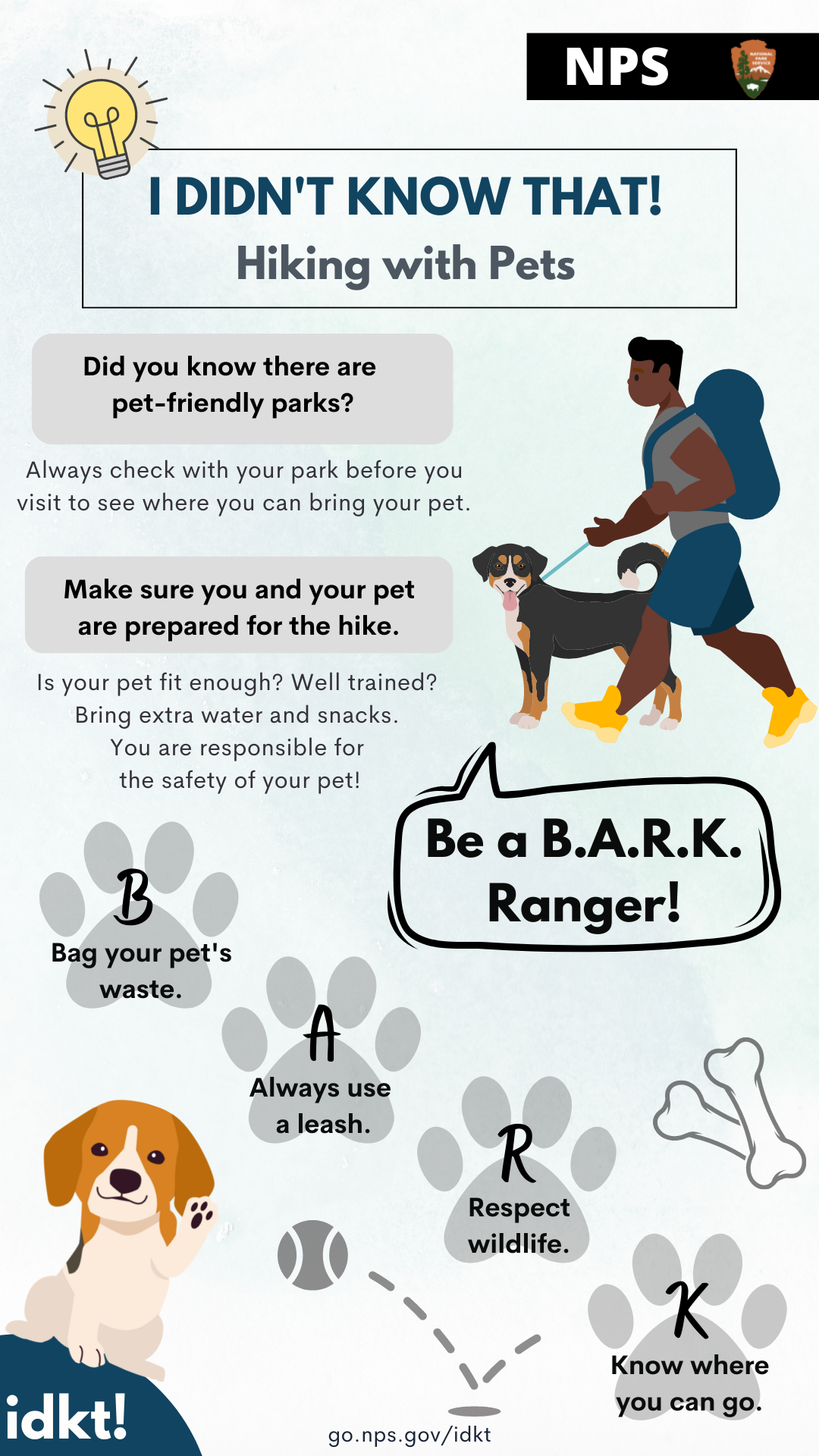
Most dog-camping injuries happen within 50 feet of camp. Knowing local wildlife threats and leash protocols prevents 92% of emergencies according to National Park Service data.
Leash Laws That Actually Save Lives
- On trails: 6-foot fixed leash ONLY (retractable leashes cause entanglement)
- At campsite: 30-foot long line with overhead trolley system
- Critical exception: Bear/cougar country requires dogs leashed within arm’s reach
Real Consequence: In Yellowstone, an unleashed dog triggered a bison stampede that injured 3 campers. National parks enforce strict leash laws for human safety – not just dog protection.
Porcupine & Skunk Emergency Prep
If your dog encounters wildlife:
1. Porcupines: Note exact location and time – quills embed deeper every hour
2. Skunks: Flush eyes with saline IMMEDIATELY (prevents corneal damage)
3. Always: Have the nearest 24-hour vet’s number saved in your phone
Pro Move: Carry needle-nose pliers in your first-aid kit. For shallow quills (<1 inch), gently twist while pulling straight out – but vet care is still mandatory.
Emergency Protocol: Lost Dog Recovery in Minutes
When your dog bolts, every second counts. Panic causes owners to make fatal errors like chasing the dog deeper into wilderness. Follow this verified recovery sequence.
The 4-Step Lost Dog Containment Plan
- FREEZE: Stop moving and call calmly – frantic motion triggers chase instinct
- CREATE SCENT STATION: Leave unwashed shirt + water bowl at last sighting
- CONTACT RANGERS: Provide GPS coordinates (download offline maps beforehand)
- SET STAGE: Stand quietly nearby shaking treat bag – don’t approach until calm
Critical Data Point: 78% of lost dogs return within 2 hours if owners stay put. Chasing increases distance by 300% according to search-and-rescue logs.
GPS Tracker Must-Haves
For high-risk breeds or remote areas:
– Dual-network coverage: Fi Series 3 works on both LTE and Bluetooth
– Geofence alerts: Get notified if dog leaves campsite perimeter
– Battery life: Minimum 30 days (no charging in wilderness)
Note: Trackers fail in deep canyons – always pair with physical ID tags and microchips updated within 30 days.
Final Note: Successful dog tent camping hinges on pre-trip desensitization and campsite zoning – not luck. Start with backyard “campouts” using your actual gear, master the overhead trolley system, and always pack for worst-case scenarios. When your dog sleeps soundly through a thunderstorm in your tent, you’ll know you’ve built more than a camping routine – you’ve created a wilderness partnership. For your next trip, focus on extending hikes by 15 minutes daily to build trail stamina, and always carry double the water you think you’ll need. The trail rewards those who prepare.