You just mounted your new scope and are ready to zero your .300 Winchester Magnum—but the thought of shouldering that recoil makes you flinch before you pull the trigger. Enter the lead sled: that heavy, intimidating rest promising rock-solid stability. But here’s what no sales page tells you—improper use can crack your stock, shatter your scope, and give you a false zero that fails in the field. I’ve seen shooters ruin $2,000 rifles in three shots because they treated this tool like a magic box instead of the precision instrument it is. This guide cuts through the marketing hype to show you exactly how to use a lead sled safely for load development and initial zeroing while avoiding catastrophic damage. You’ll learn the physics-backed setup steps professionals use, the critical safety checks most shooters skip, and when to ditch the sled entirely for better alternatives.
Why Your Lead Sled Creates “Scope Bite” and Stock Cracks

How rigid mounting transmits destructive recoil energy
When you lock your rifle into a lead sled, you prevent the natural rearward recoil path into your shoulder. Instead of energy dissipating through your body, the entire force rebounds into your rifle’s structure. High-speed footage shows this creates a violent “hard stop” impulse that vibrates at frequencies capable of shearing action screws or fracturing wood stocks at stress points like the wrist or recoil lug. Your scope suffers most—the erector tube slams against internal stops, cracking lenses or displacing the reticle. This isn’t theoretical; shooters report Leupold Mark 5HDs failing after 20 rounds of .338 Lapua in improperly weighted sleds.
Spotting the early warning signs of damage
After every 5-shot string, immediately check:
– Stock integrity: Run fingers along the forend and wrist for hairline cracks (listen for faint “ticking” sounds as it cools)
– Scope alignment: Sight through your scope while gently rocking the rifle—if the reticle jumps erratically, internal damage has begun
– Action screw tension: A loose screw after firing indicates bedding failure (carry a torque wrench set to your manufacturer’s spec)
Step-by-Step Lead Sled Setup to Prevent Bench Hop
Securing the base with military-grade stability
Place your sled on a concrete-surfaced bench—not wood or plastic. Add 40-50 lbs of weight to the tray (start with 30 lbs for .308, add 5 lbs per magnum caliber). Test stability by sharply rapping the bench edge with your knuckle; if the sled slides more than 1/4 inch, add rubber matting under its feet. For magnums like .300 Win Mag, position one edge against the bench stop to absorb forward “hop” during recoil.
Mounting your rifle without stressing the stock
- Loosen all sled clamps completely
- Rest the stock butt firmly against the recoil pad—no gaps
- Tighten front and rear straps just enough to prevent barrel contact with the rest
- Critical check: Slide a business card between the barrel and rest; if it won’t move freely, loosen straps immediately
Never force the stock into position—wood or synthetic stocks can warp under pressure, creating dangerous stress points.
Firing Protocol to Avoid False Zeros and Equipment Failure

Why your first 3-shot group reveals hidden dangers
Fire only 3-round strings when zeroing. After each group:
– Inspect the sled’s position: Measure any rearward movement with calipers (more than 0.2″ indicates insufficient weight)
– Check for “barrel ringing”: Place a finger on the barrel—if it vibrates intensely after firing, harmonics are unstable
– Analyze group shape: Vertical stringing suggests stock stress; horizontal indicates improper hold
If groups tighten after the first string, stop—your rifle is settling into damaged bedding. A properly set-up sled should show consistent point-of-impact shifts of less than 0.5 MOA between strings.
The two-step zeroing method that saves scopes
A sled zero never translates directly to field positions. Instead:
1. Get “on paper” at 50 yards using the sled (adjust for center mass)
2. Immediately move to bipod + rear bag at 100 yards and fire 5-shot groups
3. Finalize zero from this position—this matches real-world shooting dynamics
Shooters who skip step 2 often discover 8-inch point-of-impact shifts at 300 yards when hunting.
Load Development Secrets Only Elite Shooters Know
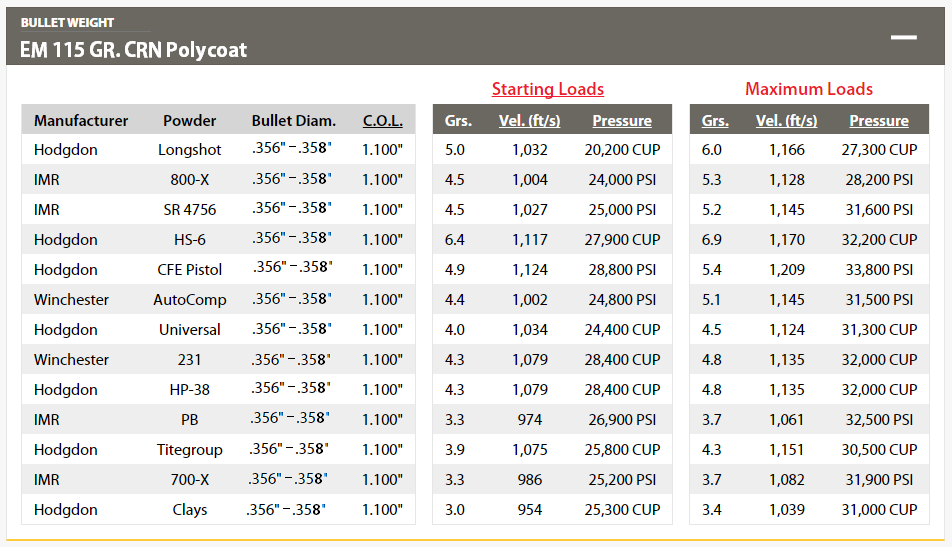
Isolating ammunition variables with scientific precision
For handload testing:
– Use the sled only to compare powder charges (same bullet/primer/brass)
– Track group size changes at 100 yards with this sequence:
1. Fire 3 shots at 45.0 grains (record group size)
2. Clean bore, wait 15 minutes for barrel temp stabilization
3. Repeat with 45.5 grains
– Critical tip: If group size shrinks but vertical stringing increases, you’ve exceeded the powder’s node—back off immediately
The sled’s value here is eliminating shooter error, but only if your rifle shows no signs of stress. Stop testing if action screws loosen after 10 rounds.
Why Top Marksmen Ditch Lead Sleds After Initial Zeroing
The bipod-and-bag advantage for real-world accuracy
Professional long-range shooters universally prefer bipods + rear bags because:
– They allow natural rifle recoil, preventing stock/scope damage
– Point-of-impact stays consistent from bench to field positions
– You build muscle memory for field shooting (unlike the sled’s artificial hold)
For most zeroing tasks, a $50 Sinclair front rest paired with a Wiebadger rear bag delivers 0.3 MOA groups without risking your rifle. Reserve the sled only for punishing magnums during initial “on paper” work.
When a lead sled is actually worth the risk
Use it only for:
– Zeroing .375 H&H or larger calibers where flinching ruins groups
– Diagnosing mechanical accuracy issues (e.g., “Is my scope bad or is it me?”)
– Testing maximum-pressure handloads where shooter error obscures results
If your rifle isn’t pushing magnum-level recoil, the sled’s risks outweigh its benefits.
Immediate Damage Control Steps After Sled Use
The 5-minute post-shooting inspection routine
Within 5 minutes of your last shot:
1. Check action screws: Tighten to spec with a calibrated torque wrench (loose screws = bedding failure)
2. Examine stock contact points: Look for crushed wood fibers or stress cracks near the recoil lug
3. Test scope tracking: Dial 10 MOA up—reticle should return perfectly to zero after firing
4. Listen for “cracking” sounds: As the rifle cools, damaged stocks often emit faint ticks
If you find any issues, discontinue sled use immediately—your rifle is compromised.
Top 3 Safer Alternatives for Precision Shooting
Build a competition-grade rest in 10 minutes
- Front: SEB NEO rest with sandbag (allows barrel harmonics to stabilize)
- Rear: Wiebadger bag filled with lead shot (molds to stock without pressure points)
- Bench anchor: Rubber mat under rear bag to prevent movement
This setup absorbs recoil naturally while providing 95% of the sled’s stability—without transferring destructive energy into your rifle. Competitive shooters using this method consistently achieve 0.25 MOA groups with zero equipment damage.
Final Note: A lead sled is a surgical tool—not a training crutch. Use it strictly for initial zeroing of high-recoil rifles or scientific load development, but always confirm zeros from a bipod-and-bag position. The moment you hear unusual “ticks” from your stock or see erratic scope tracking, retire the sled for safer alternatives. Your $1,200 rifle and $2,000 scope are worth more than the marginal stability this device provides. For 95% of shooters, a quality front rest paired with a lead-shot rear bag delivers field-validated accuracy without risking catastrophic damage. Master shooting from natural positions first—the sled should be your last resort, not your foundation.