That frustrating moment when your rich brunette or black hair starts showing warm, brassy tones after a few weeks? You’re not alone—nearly 70% of color-treated dark-haired clients battle unwanted warmth between salon visits. Black shampoo solves this exact problem, but it’s not your average cleanser. This pigmented powerhouse deposits cool-toned pigments to neutralize orange and yellow undertones while enhancing depth in brunette, brown, and black hair. Unlike regular shampoos, how to use black shampoo properly requires specific techniques to avoid patchiness or over-darkening. Get it right, and you’ll maintain salon-fresh dimension; skip critical steps, and you risk uneven staining. This guide reveals the exact protocol professionals use to maximize results while protecting your hair’s health.
Diagnose Your Hair’s Brassiness Level Before Application

Choosing the wrong black shampoo or misjudging your hair’s needs guarantees disappointing results. This critical pre-wash assessment prevents wasted product and potential color disasters. Start by examining your hair in natural daylight near a window—artificial lighting distorts tone perception. Run your fingers through dry hair to spot warm zones: roots often show orange undertones from regrowth, while ends reveal yellow brassiness from sun exposure. If your hair shows coppery-red warmth (common after highlights), you need green-tinted black shampoo; for golden-yellow brassiness (typical on base-colored dark hair), select blue-violet formulas. Never apply black shampoo to hair with significant blonde highlights unless you want those sections to turn ashy gray—this product permanently deposits pigment on porous strands.
Conduct a Mandatory 5-Minute Strand Test
Skipping this step risks uneven color that takes weeks to fade. Here’s the foolproof method: In a non-dominant hand, mix a dime-sized amount of black shampoo with one drop of water on your palm. Using an old toothbrush, apply the paste to a 1-inch strand hidden at your nape. Set a timer immediately—processing time makes or breaks results. For subtle toning on dark brown hair, start with 3 minutes; for intense brassiness on jet-black hair, test 8 minutes. Rinse thoroughly with cool water until runoff clears, then air-dry completely. Evaluate under natural light: If the strand looks 1-2 shades cooler without turning ashy, that timing works. If it appears muddy or gray, reduce time by 2 minutes next application. This test reveals your hair’s unique pigment absorption rate—essential since bottle instructions assume average porosity.
Select Your Formula Based on Brass Intensity
Not all black shampoos solve the same problems. Natural pigment versions (containing walnut husk or activated charcoal) offer gentle toning for maintenance, while direct-dye formulas (with CI 77266 or acid violet 43) deliver dramatic brass neutralization. Check the bottle color: Deep blue-black indicates strong yellow neutralization for medium to dark brunettes, while green-black variants target stubborn orange tones in black hair. If you have virgin (uncolored) dark hair showing warmth, choose sulfate-free natural pigment shampoos to avoid over-processing. For color-treated hair with noticeable brassiness, opt for professional direct-dye versions—but never use them more than twice monthly. Crucially, avoid “black shampoos” marketed for gray coverage; these contain progressive dyes that build up permanently and will turn your hair unnaturally dark.
Master the 3-Phase Application Process for Even Toning
Applying black shampoo like regular cleanser guarantees streaky, blotchy results. This specialized product requires strategic timing and technique to deposit pigment evenly without staining.
Prep Hair for Maximum Pigment Absorption
Begin with clarifying shampoo if you use heavy stylers—product residue blocks pigment penetration. Lather thoroughly, focusing on the scalp, then rinse until water runs clear. Never condition beforehand; silicone coatings prevent pigment adhesion. Towel-dry hair to 70% dampness—sopping wet hair dilutes the shampoo, while bone-dry strands absorb unevenly. For highlighted hair, apply conditioner ONLY to lightened sections first to protect them from pigment uptake, then rinse before proceeding. Work in a well-ventilated area wearing old clothes; the dark lather stains fabrics instantly. Keep a timer visible—overprocessing by even 60 seconds can cause unnatural gray tones on fine hair.
Apply With Precision Timing and Distribution
Dispense a quarter-sized amount into wet hands and emulsify until it turns inky black. Starting at the roots (where warmth appears first), massage vigorously for 30 seconds to create a rich lather—that friction activates pigment release. Immediately work the lather down to mid-lengths using downward strokes to prevent tangling. For the final 10 seconds of application, gently squeeze product through ends without scrubbing—porous ends absorb pigment fastest. Use a wide-tooth comb dipped in water to distribute evenly from roots to tips; dry combs cause breakage. Set your timer: 2 minutes for first-time users, 5 minutes for maintenance toning, 8 minutes for severe brassiness. Never exceed 10 minutes—extended contact causes pigment overload, especially on bleached strands.
Rinse and Condition to Lock in Results
Rinsing improperly washes away pigment or leaves residue. Begin with lukewarm water for 30 seconds, then switch to cool water for the final minute—cold water seals the cuticle to trap color. Massage scalp continuously while rinsing; stagnant areas develop patchy pigment. Stop rinsing only when water runs completely clear (not just light gray)—residual pigment causes gradual darkening over days. Immediately apply a purple-toned conditioner to neutralize any yellow undertones the shampoo missed, focusing on mid-lengths to ends. Leave for 3-5 minutes, then rinse with cool water. For damaged hair, substitute with a keratin mask once monthly to repair cuticle damage from pigment molecules.
Optimize Your Black Shampoo Schedule by Hair Type
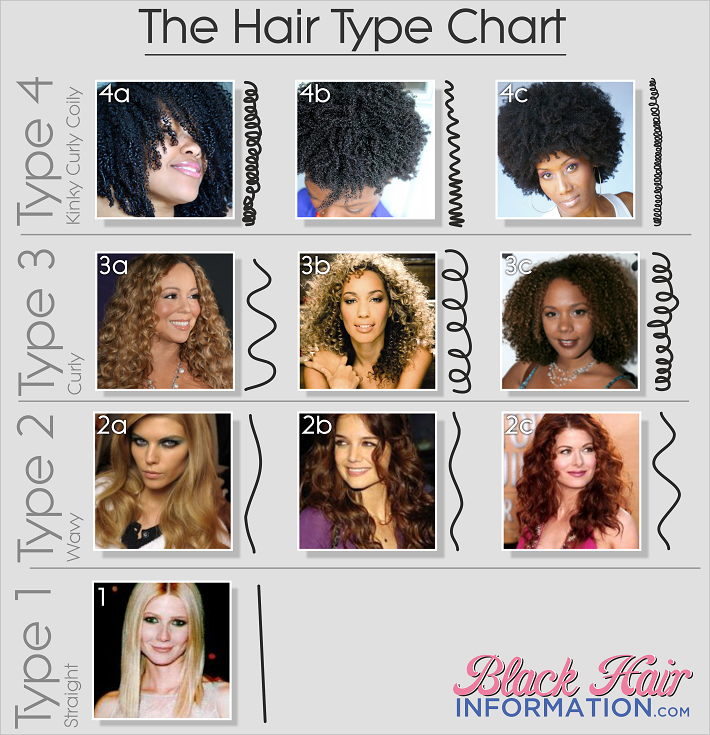
Using this product weekly turns dark hair muddy within months. Your ideal frequency depends entirely on hair chemistry and brass severity.
- Virgin dark hair with slight warmth: Use once every 4 weeks after clarifying shampoo
- Color-treated brunette with visible brassiness: Apply every 10-14 days as a toning treatment
- Jet-black hair with orange undertones: Use biweekly for 2 washes, then monthly maintenance
- Hair with highlights or balayage: Spot-treat warm zones only every 3 weeks—never apply to lightened sections
Track results in a hair journal: Note brass level before each use, processing time, and outcome. If hair turns ashy after 5 minutes, reduce to 3 minutes next time. Never use black shampoo on consecutive washes—always alternate with a sulfate-free purple shampoo for balanced toning.
Avoid Costly Mistakes With These Pro Techniques

Skin and Clothing Protection Protocol
Apply petroleum jelly along your hairline and ears before washing—this creates a barrier against stubborn pigment stains. Wear vinyl gloves (latex rubs off pigment) and cover shoulders with a dark towel. If staining occurs, rub lemon juice on skin immediately; for fabrics, rinse with cold water before laundering with color-safe bleach. Never skip gloves when applying to roots—finger staining lasts 3-5 days.
Processing Time Adjustments for Hair Density
Fine hair absorbs pigment 40% faster than coarse strands. For thin hair, start with 90-second applications; for thick, coarse hair, begin at 7 minutes. Always check strand test results at the minimum time, then add 30-second increments if needed. Time stops when you begin rinsing—not when you finish applying.
The Porous Ends Correction Method
Highlighted or damaged ends drink pigment like a sponge. Apply shampoo to roots first, wait 2 minutes, then distribute to ends for the final 3 minutes of processing. This prevents “rooty” results where ends appear significantly darker. For severely damaged ends, apply conditioner to those sections before shampooing as a protective barrier.
Rinse Verification Technique
Place a white paper towel under your shower stream during rinsing. Stop only when the towel shows zero gray tint after 10 seconds of continuous water flow. Incomplete rinsing causes progressive darkening that requires multiple clarifying washes to fix.
Post-Shampoo Hydration Imperative
Pigment molecules temporarily roughen the cuticle. Always follow with a moisture-sealing conditioner containing panthenol or hydrolyzed keratin. Once monthly, replace your regular conditioner with an overnight argan oil treatment to counteract dryness from frequent pigment use.
Mastering how to use black shampoo transforms frustrating brassiness into salon-worthy dimension. Remember: start with ultra-short applications, always strand-test, and never skip the petroleum jelly barrier. The perfect cool tone emerges from patience—build pigment gradually over 2-3 washes rather than forcing immediate results. For ongoing maintenance, pair this with cool-water rinses and UV-protectant sprays to slow brass development between treatments. When applied correctly, black shampoo becomes your secret weapon for keeping dark hair rich, vibrant, and authentically cool-toned between color services. Your final takeaway? Less is more: 5 minutes of precise application beats 15 minutes of guesswork every time.