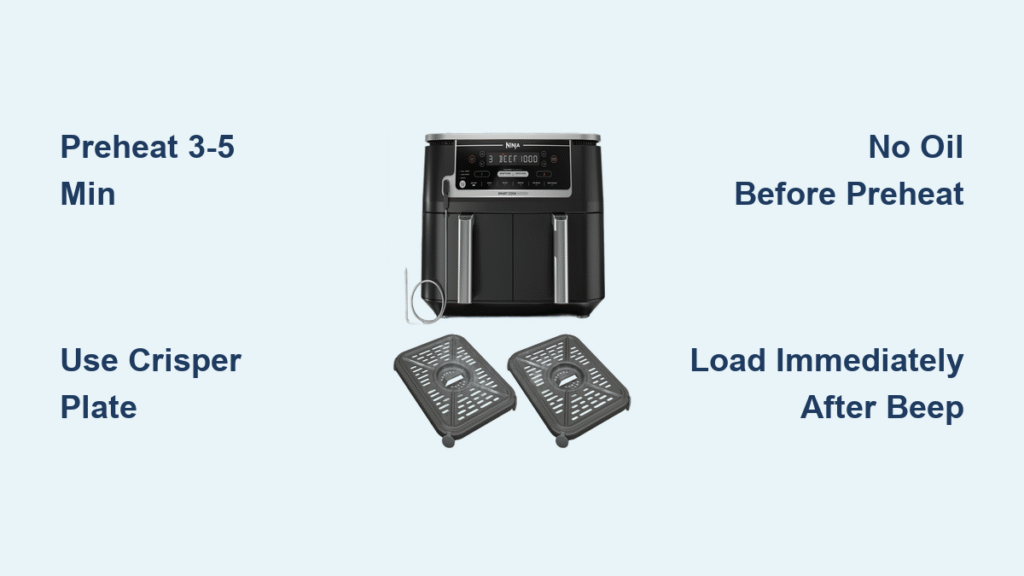
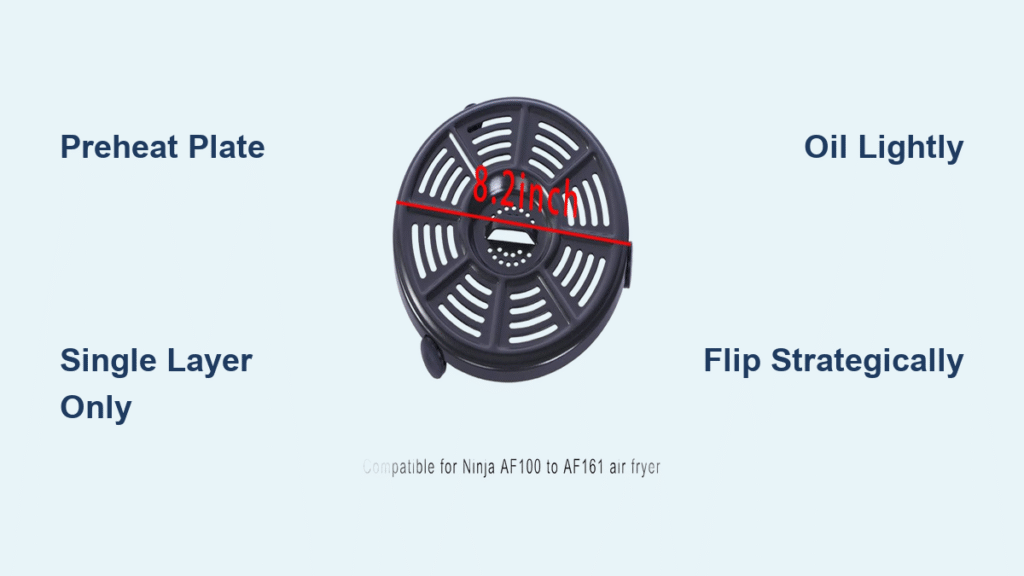
That perforated metal tray sitting in your Ninja box isn’t just another accessory—it’s the secret weapon behind restaurant-quality crisp at home. The crisper plate transforms your air fryer from a simple convection oven into a precision crisping machine, but only when used correctly. Most people toss it in without realizing they’re missing 50% of its potential.
Whether your fries emerge limp or your chicken skin refuses to crackle, the solution lies in mastering this humble tray. When you learn how to use Ninja Air Fryer crisper plate properly, you’ll unlock perfectly crisp results every time. This guide walks you through exact techniques, temperatures, and timing that separate mediocre results from picture-perfect crunch.
Install Crisper Plate Correctly for Optimal Airflow
Remove Packaging and Prep Before First Use
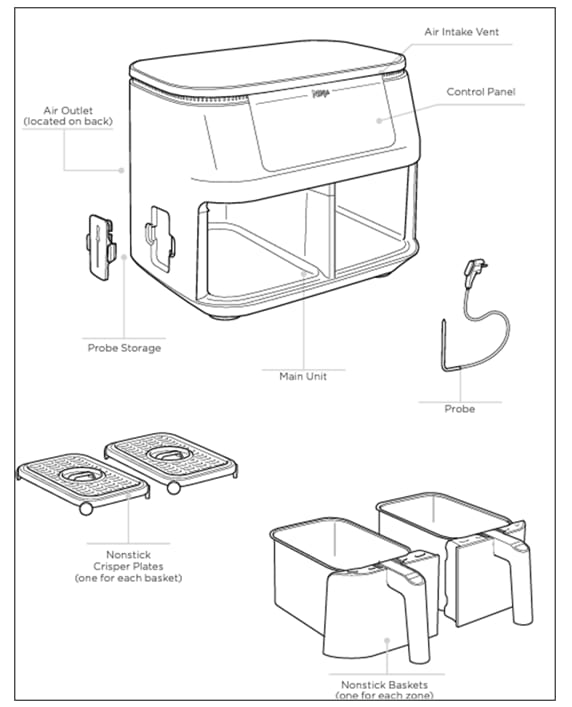
Your Ninja Air Fryer crisper plate arrives coated in protective oils and cardboard dust that must be removed before cooking. Wash it immediately with warm soapy water, using a soft sponge to gently scrub all surfaces without damaging the non-stick coating. The critical step many skip is thorough drying—any moisture creates steam that fights against crisping. The plate sits flat-side down in your basket, creating a raised cooking surface about one inch above the floor that allows hot air to circulate completely around food.
Perform Stability Test to Prevent Uneven Cooking
Place the crisper plate in your basket and give it a gentle wobble test. A properly seated plate stays level without rocking—if it tilts, food will cook unevenly. In DualZone models, verify you’re using the correct basket—the crisper plate belongs in the larger main compartment, not the smaller side basket. This simple check prevents 90% of uneven cooking complaints. If your plate wobbles, remove it and reposition until it sits perfectly flat against the basket floor.
Preheat Crisper Plate for Instant Searing Action
Set Exact Temperatures for Different Food Types
Preheating the crisper plate makes the difference between soggy bottoms and all-around crunch. Always preheat your Ninja for 3-5 minutes with the plate installed at these precise temperatures:
- Frozen foods: 400°F creates immediate steam release that prevents sogginess
- Fresh vegetables: 375°F prevents burning while developing caramelization
- Proteins: 380-400°F sears surfaces instantly for locked-in juices
- Reheating: 350°F warms without drying out leftovers
Skipping this preheat step is the #1 reason home cooks get disappointing results with their Ninja Air Fryer crisper plate.
Apply Extended Preheat Hack for Ultra-Crispy Proteins
For chicken wings, pork chops, or anything where you want restaurant-level crispiness, add an extra 2-3 minutes to your preheating time. This creates an instant sear when food hits the plate, locking in juices while building that perfect crust. The crisper plate retains this heat throughout your entire cooking cycle, maintaining consistent performance. You’ll notice visibly better results when you give the plate those extra minutes to reach maximum temperature before adding food.
Master Food Placement on Crisper Plate

Follow Single Layer Rule for Perfect Crisp Every Time
Overcrowding kills crisp faster than any other mistake when you use Ninja Air Fryer crisper plate. Arrange food in one layer with space between pieces—think cookie sheet spacing, not skillet cramming. Each piece needs airflow contact on all sides to develop even crispiness. When in doubt, cook smaller batches rather than sacrificing quality. This rule is non-negotiable for achieving professional results at home.
Apply Oil Correctly for Maximum Crisp Without Smoke
Lightly spray or brush 1-2 teaspoons of high smoke point oil directly on food—not the plate. Avocado, canola, or grapeseed oil work best for air frying. Avoid olive oil—it smokes at air fryer temperatures and creates bitter flavors. The goal is a thin sheen, not pooling oil that drips through holes and causes smoke. For best results, toss food in oil before placing on the preheated crisper plate.
Position Foods Strategically for Targeted Crisping
- French fries: Cut side down for maximum contact surface with hot plate
- Chicken wings: Skin side up for rendered, crispy skin development
- Vegetables: Cut side down first, flip halfway through cooking cycle
- Fish fillets: Presentation side down initially, flip once for even cooking
This strategic placement ensures you get the specific texture you want on the part of the food that matters most.
Follow Precise Timing Charts for Perfect Results
Cook Frozen Foods at Correct Times and Temperatures
These times assume preheated crisper plate at 400°F with food arranged in single layer:
- French fries: 15-20 minutes, shake basket every 5 minutes
- Chicken nuggets: 10-12 minutes, flip at 6 minutes for even browning
- Mozzarella sticks: 6-8 minutes, watch closely after 6 minutes to prevent bursting
- Fish sticks: 8-10 minutes, flip once at 5 minutes for golden exterior
Perfect Fresh Food Cooking Schedule
Fresh ingredients need slightly longer due to higher moisture content:
- Hand-cut fries: 18-22 minutes at 400°F, toss with oil first
- Brussels sprouts: 15-18 minutes at 375°F, halved and oiled
- Chicken breast: 12-15 minutes at 380°F, flip once halfway
- Salmon fillets: 8-10 minutes at 400°F, skin optional
Restore Leftovers to Crispy Glory
Revive yesterday’s leftovers with these reheating guidelines:
- Pizza slices: 3-4 minutes at 350°F for crispy crust without dried cheese
- Fried foods: 3-5 minutes at 375°F to restore crunch without overcooking
- Roasted vegetables: 4-6 minutes at 350°F to warm without burning
Troubleshoot Common Crisper Plate Problems
Stop Food from Sticking to Crisper Plate
Food sticks when the plate isn’t hot enough or food contains excess moisture. Always pat proteins dry with paper towels before cooking. Lightly coat the plate with cooking spray for extra insurance on delicate items like fish. If food sticks during cooking, wait 1-2 minutes before attempting to flip—this usually allows the crust to release naturally.
Fix Uneven Cooking Results Immediately
Rotate the crisper plate 180 degrees halfway through cooking if your model allows. Ensure uniform food sizes—cut vegetables to similar thickness. Check for blocked air vents in the basket rim that restrict airflow. If one side consistently cooks faster, your appliance may need recalibration—contact Ninja customer service.
Eliminate Smoke Issues During Cooking
Excessive smoke signals either too much oil or leftover debris burning. Clean thoroughly between uses. For high-fat foods like bacon, place a small piece of bread under the plate to absorb dripping oil. If smoke persists after cleaning, reduce oil quantity by half and preheat an extra 2 minutes before adding food.
Clean and Maintain Crisper Plate Like a Pro
Daily Quick Clean for Long-Lasting Performance
Let the plate cool completely—about 10 minutes—then wash with warm soapy water and a soft sponge. The dishwasher’s top rack works, but hand washing extends the non-stick coating’s life significantly. Always dry thoroughly to prevent rust spots and maintain optimal performance for your Ninja Air Fryer crisper plate.
Deep Clean Method for Stubborn Residue
For stuck-on food particles, soak 15-20 minutes in hot soapy water. Use a soft brush to dislodge particles—never metal scrubbers that damage the coating. Create a baking soda paste for persistent spots: mix 2 tablespoons baking soda with water, apply for 10 minutes, then gently scrub clean. Rinse thoroughly before next use.
Safety Must-Knows for Crisper Plate Use
Handle Hot Plate Safely Every Time
The crisper plate stays dangerously hot for 15 minutes after cooking. Always use the basket handle or heat-resistant gloves for removal. Place hot plates on heat-resistant surfaces only—wooden cutting boards can scorch. Never touch the plate directly even if the basket feels cool—heat lingers in the metal.
Verify Food Safety with Thermometer
Use a food thermometer to verify proteins reach safe temperatures:
– Chicken: 165°F internal temperature
– Beef/Pork: 145°F plus 3-minute rest
– Fish: 145°F throughout
This is especially important when using the crisper plate since food cooks faster with direct contact.
Maximize Crisper Plate Performance with These Hacks
Perfect Batch Cooking Strategy
Cook in smaller batches rather than overfilling. Allow 2-3 minutes between batches for the plate to regain optimal temperature. This single change improves results more than any other adjustment. For large gatherings, work in batches while keeping cooked food warm in a 200°F oven.
Oil Distribution Tricks for Professional Results
Use an oil mister for even coverage—brushes leave thick and thin spots. Focus oil on cut surfaces and areas prone to drying. Remember: excess oil drips away, so a light coating works better than drowning food. For extra-crispy results, toss food in a mixture of 1 tablespoon cornstarch and 1 teaspoon oil before placing on the preheated crisper plate.
Your crisper plate transforms from confusing accessory to essential tool with these techniques. Start with one recipe method, master the timing, then expand to more complex dishes. The difference between good and exceptional air fryer results lives in these small details—temperature precision, proper spacing, and knowing exactly when to flip. When you consistently apply these crisper plate techniques, you’ll never serve a soggy fry or limp vegetable again.