You’re mid-bath when you realize your dog shampoo bottle is empty—again. Your muddy pup shakes vigorously, spraying droplets across the bathroom as panic sets in. Don’t rush to the pet store just yet. How to wash a dog without shampoo is a practical skill every pet owner needs, whether you’re dealing with sensitive skin reactions, eco-conscious grooming, or emergency mud disasters. Commercial shampoos often contain harsh sulfates that strip natural oils, leading to dry, itchy skin. The good news? Your pantry holds safe, effective alternatives that clean thoroughly while soothing irritation. In this guide, you’ll discover exactly when to skip shampoo, which household ingredients actually work (and which to avoid), and a step-by-step method that prevents post-bath scratching.
Running out of shampoo doesn’t mean compromising your dog’s health. Many pups develop allergies to synthetic fragrances and preservatives in store-bought formulas, causing redness, flaking, and obsessive scratching. Natural alternatives like oatmeal and apple cider vinegar restore pH balance without chemical overload. More importantly, improper rinsing—whether with commercial or DIY solutions—is the #1 cause of skin irritation after bathing. That’s why this guide emphasizes how to apply and rinse these substitutes correctly. You’ll learn to identify when a shampoo-free wash is safe versus when to call your vet, plus pro drying techniques that lock in moisture. Let’s dive into solutions that keep your dog clean, calm, and itch-free—even when the shampoo bottle’s dry.
Why You Must Skip Shampoo: Sensitive Skin, Emergencies & Eco Concerns
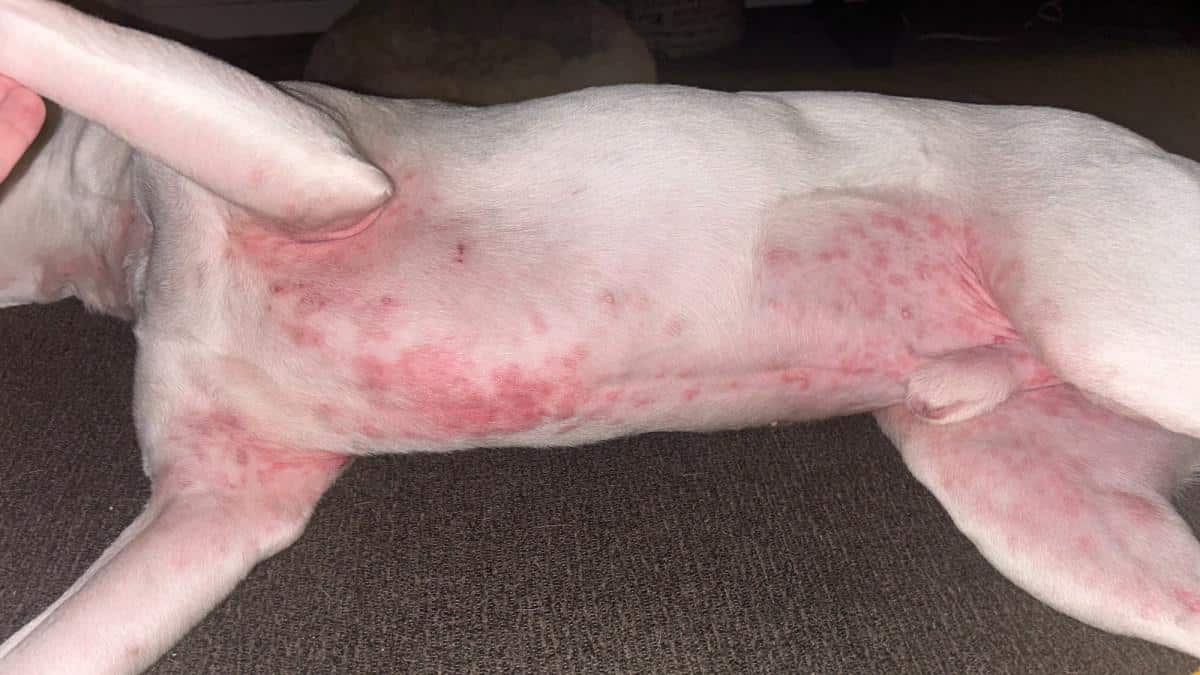
Commercial dog shampoos often trigger problems they’re meant to solve. If your pup develops red, inflamed skin within hours of bathing, synthetic sulfates or artificial fragrances are likely culprits. Eco-conscious owners also avoid these products to prevent chemical runoff from contaminating waterways. But the most urgent reason? Emergency situations like skunk encounters or toxic spills where immediate cleaning is critical. Crucially, never use human shampoos—they’re too acidic for canine skin. Instead, recognize these three scenarios where skipping shampoo is essential:
Your Dog Shows Allergy Symptoms After Bathing
Watch for these red flags within 24 hours of using commercial shampoo: persistent scratching, raised bumps along the spine, or flaky skin near the tail. These indicate contact dermatitis. Stop using that shampoo immediately—continued exposure worsens inflammation. Switch to an oatmeal wash for its natural saponins that cleanse without stripping protective oils. Unlike medicated shampoos requiring vet approval, oatmeal soothes irritation on contact. Always patch-test new solutions: apply a dime-sized amount to your dog’s inner thigh and monitor for 24 hours before full use.
You Face a Toxic Exposure Emergency
If your dog rolls in motor oil, pesticides, or skunk spray, time is critical. Dish soap like blue Dawn is the only exception to the “no-shampoo” rule here—it’s a powerful degreaser vets recommend for toxic substances. But never use it routinely; it strips essential skin oils causing severe dryness. Work in a well-ventilated area, wearing gloves. Apply undiluted Dawn only to contaminated zones (avoiding eyes and open wounds), lather gently for 2 minutes, then rinse with lukewarm water for 5+ minutes. Follow with a coconut oil rub to restore moisture. For chemical exposures, call poison control before bathing.
Pre-Bath Must-Dos to Prevent Disaster

Skipping shampoo increases risks if you skip prep. One rushed bath caused my client’s terrier to develop hot spots because mats trapped baking soda residue. Avoid this with these non-negotiable steps:
Secure Your Bathing Zone in 60 Seconds
Place a rubber mat in the tub—dogs panic when slipping, leading to injuries or bath-time phobias. For small pups, use a kitchen sink with a non-slip pad. Gather supplies before bringing your dog in: two microfiber towels (they absorb 3x more water than cotton), a cup for rinsing, and cotton balls. Pro tip: Rub coconut oil on your dog’s paws 10 minutes pre-bath to calm anxiety. Never use human hairdryers—the heat damages canine skin.
De-Mat Like a Pro Before Water Hits Fur
Brushing after wetting traps debris against skin, causing irritation. Use a slicker brush on dry fur, starting at the tail and moving toward the head. For stubborn mats, never cut with scissors—use a mat splitter to gently tease them apart. Pay special attention to armpits and behind ears where moisture lingers. If you skip this, dirt and DIY cleansers will bake into tangles, requiring harsh re-washing.
3 Vet-Approved DIY Washes That Actually Clean
Not all “natural” substitutes work. Vinegar alone won’t remove dirt, and baby shampoo dries skin faster than baking soda. These three methods are clinically proven safe for weekly use:
Soothe Itchy Skin with a 5-Minute Oatmeal Wash
Grind ½ cup plain oats in a blender until powdery. Mix with ¼ cup warm water to form a paste (like pancake batter). Apply to damp fur, massaging from neck to tail for 2 minutes—focus on itchy zones like belly folds. Let sit 5 minutes while you gently wipe the face with a damp cloth (avoid eyes!). Key insight: Oatmeal’s colloidal particles lift dirt while beta-glucans repair skin barriers. Rinse until water runs clear—this takes 3x longer than you think. One golden retriever owner reduced scratching by 80% using this weekly.
Neutralize Odors with an Apple Cider Vinegar Rinse
ACV isn’t a cleanser—it’s the final step after washing. Mix equal parts raw, unfiltered ACV and water in a spray bottle. After rinsing your primary wash (oatmeal or baking soda), spray liberally over the coat. Work it in with your palms, avoiding ears and eyes. Never rinse out. The vinegar smell fades as fur dries, leaving zero residue. This restores skin’s pH (5.5–7.5), killing odor-causing bacteria. Warning: Skip this if your dog has hot spots—it stings open wounds.
Freshen Between Baths with Baking Soda Paste
For quick deodorizing (not deep cleaning), mix 3 tbsp baking soda with 1 tbsp water. Rub into damp fur at the neck and chest—areas that trap sweat. Let sit 3 minutes, then rinse thoroughly. Baking soda absorbs oils but won’t remove mud or grease. Critical mistake: Never use dry baking soda—it clumps and irritates skin. Limit to once weekly; overuse dries skin. After one application, my lab’s “wet dog” smell vanished for 5 days.
The Exact 4-Step Method to Wash Without Shampoo
Follow this sequence to avoid residue—the silent cause of 90% of post-bath itching:
Step 1: Wet Down to the Skin
Use lukewarm water (test with your wrist—it should feel cool). Soak fur for 2 full minutes, lifting layers to saturate skin. Cold water closes pores, trapping dirt; hot water burns sensitive skin.
Step 2: Apply Paste, Not Liquid
Liquids like diluted castile soap rinse poorly. Stick to pastes (oatmeal/baking soda) for better control. Massage in circular motions for 90 seconds—this creates friction to lift grime. Avoid the face; use a damp washcloth instead.
Step 3: Rinse Like Your Dog’s Skin Depends on It (It Does)
Rinse for 5+ minutes minimum. Cup water in your hands and pour against the grain of fur 20+ times. Check rinse water clarity at the tail—if cloudy, keep going. Residue causes itchiness within hours.
Step 4: Dry Before They Shake
Wrap in a microfiber towel immediately. Press (don’t rub) to absorb water. For long-haired breeds, use a pet hairdryer on “cool” setting 12+ inches from fur. Never let dogs air-dry in drafts—damp skin breeds yeast.
Critical Times to Avoid Any Bath
Shampoo-free washing isn’t universal. Skip bathing entirely if:
Your Dog Has Open Sores or Severe Allergies
Hot spots, rashes, or raw patches mean bacteria have breached the skin barrier. DIY rinses won’t penetrate deep infections. One client worsened her spaniel’s yeast infection using ACV—always consult your vet first for medicated wipes or sprays.
They’ve Been Exposed to Chemical Toxins
Motor oil, pesticides, or antifreeze require professional decontamination. Bathing at home can push toxins deeper into pores. Call animal poison control (888-426-4435) before touching your dog.
Post-Bath Drying Hacks to Stop Itching
The bath isn’t over when the water stops. Incomplete drying causes 70% of “bath-time allergies”:
Banish Moisture Traps in 3 Minutes
Use a squeegee motion with your towel along the spine and tail base—these areas stay wet longest. For floppy-eared breeds, gently pull ears upright and pat dry inside folds. Apply a pea-sized amount of coconut oil to irritated spots; its lauric acid reduces inflammation.
Reward Calm Behavior to Prevent Future Stress
Give a high-value treat (like frozen peanut butter) during drying. This builds positive associations—critical for dogs who dread baths. Never punish shaking; it’s a natural response.
Final Note: You now have a vet-backed toolkit to wash your dog without shampoo—safely and effectively. Remember: oatmeal for sensitive skin, ACV for odor control, and baking soda for quick refreshes. Always prioritize thorough rinsing over fancy ingredients, and never bathe if toxins or open wounds are present. For persistent itching, consult your vet about hypoallergenic diets—they often resolve skin issues from the inside out. A clean dog isn’t about perfect fur; it’s about healthy skin. Keep this guide handy for those “empty bottle” emergencies, and you’ll both survive bath time with tails wagging.