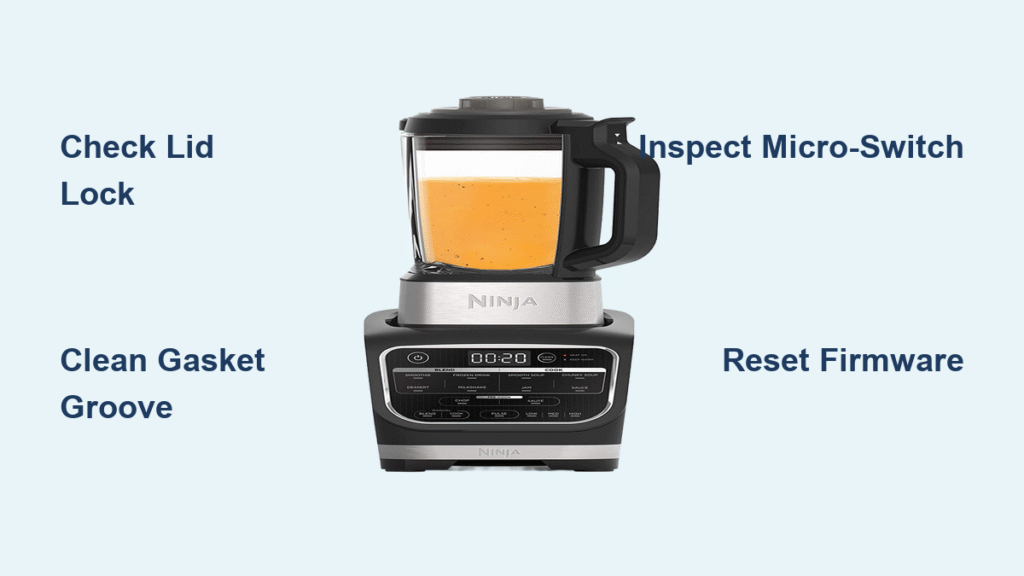
You unboxed your new Ninja air fryer with excitement, ready to make crispy fries and perfectly roasted vegetables. But instead of mouthwatering aromas, your kitchen fills with an acrid burning plastic smell that makes you question whether this appliance is safe. This frustrating experience affects nearly 8 out of 10 new Ninja air fryer owners during their first few uses, leaving them wondering if they should return the unit or risk eating contaminated food.
That unpleasant burning plastic odor isn’t your imagination, and it’s not necessarily a sign of a defective air fryer. Most new Ninja models go through a “break-in period” where manufacturing residues burn off the heating elements and internal components. The good news? This phase is temporary, and with the right approach, you’ll be enjoying perfectly cooked meals in no time.
This guide shows you exactly why your Ninja air fryer smells like burning plastic, how long to expect it to last, and the specific steps to eliminate the odor safely and effectively.
Why Your New Ninja Air Fryer Emits Burning Plastic Odors
Manufacturing Residue Burning Off
Your Ninja air fryer arrives with protective substances coating its heating elements and interior surfaces. During the first few heating cycles, these materials—protective films on heating coils, lubricants from the fan motor, anti-corrosion coatings, and even tiny bits of packaging debris—literally burn away, creating that distinctive plastic-like odor. These substances protect your air fryer during manufacturing and shipping but aren’t meant to remain permanently. When heated to cooking temperatures for the first time, they vaporize into the odors you’re experiencing.
Internal Components Releasing Initial Odors
The burning smell often stems from specific parts within your air fryer. The fiberglass or ceramic insulation surrounding the heating element releases odors when first exposed to high temperatures. Internal plastic components positioned near heat sources undergo initial off-gassing, where new plastic releases volatile compounds when heated. Even the insulation on electrical wiring can produce temporary odors as it experiences its first heat cycles.
The fan motor contributes too. Its electrical windings and bearing lubricants release vapors when the motor first operates at cooking temperatures. This combination of materials all releasing odors simultaneously creates the overwhelming smell many users report during their first few uses.
How Long Will the Burning Plastic Smell Last?
Standard Break-In Timeline
Most Ninja air fryers complete their break-in period within 3-5 complete cooking cycles. Each cycle should last 15-20 minutes at 400°F to ensure thorough burn-off of all residues. The smell peaks during the first 2-3 uses, then decreases noticeably with each subsequent cycle. By the fifth use, you should detect only faint traces of the original odor.
The break-in process isn’t just about time—it’s about heat exposure. Running your air fryer for longer cycles at higher temperatures accelerates the burn-off process. Some users find that completing the break-in protocol over consecutive days rather than spreading it across weeks yields faster results.
When Odors Persist Beyond Normal Period
Approximately 15% of units may continue emitting odors beyond 10 cycles. This usually happens due to environmental factors like high humidity or cold storage conditions that extend the break-in period. Units stored in cold warehouses may require additional cycles as components warm up more slowly.
Infrequent use also prolongs the process. If you only use your air fryer once a week, residues have time to settle between uses, requiring more total cycles to complete the break-in. Daily use for the first week typically resolves even stubborn cases within the standard timeframe.
Is That Burning Smell Dangerous?

Normal Break-In vs. Serious Problems
A normal burning plastic smell during break-in has specific characteristics. It should decrease in intensity with each use, produce no visible smoke, and create no unusual sounds from the unit. You shouldn’t notice any melting or deformation of visible parts, and the smell should dissipate within 30 minutes after the cycle ends.
These odors, while unpleasant, pose no health risks to your food. The residues burn off the heating elements and internal surfaces, not areas that come into contact with your meals. However, adequate kitchen ventilation during the break-in period helps minimize exposure to these vapors, especially for those with respiratory sensitivities.
Warning Signs You Must Address Immediately
Stop using your Ninja air fryer immediately if you notice:
– Increasing odor intensity after five or more uses
– Visible smoke emission
– Sparks or unusual grinding/clicking sounds
– Any physical melting or warping of components
– Persistent smells lasting hours after use
These symptoms suggest actual component failure rather than normal break-in processes. Continuing to operate the unit could damage the air fryer permanently or create safety hazards. Document these observations carefully for potential warranty claims.
Fastest Way to Eliminate Burning Plastic Odor
Pre-Use Cleaning Protocol
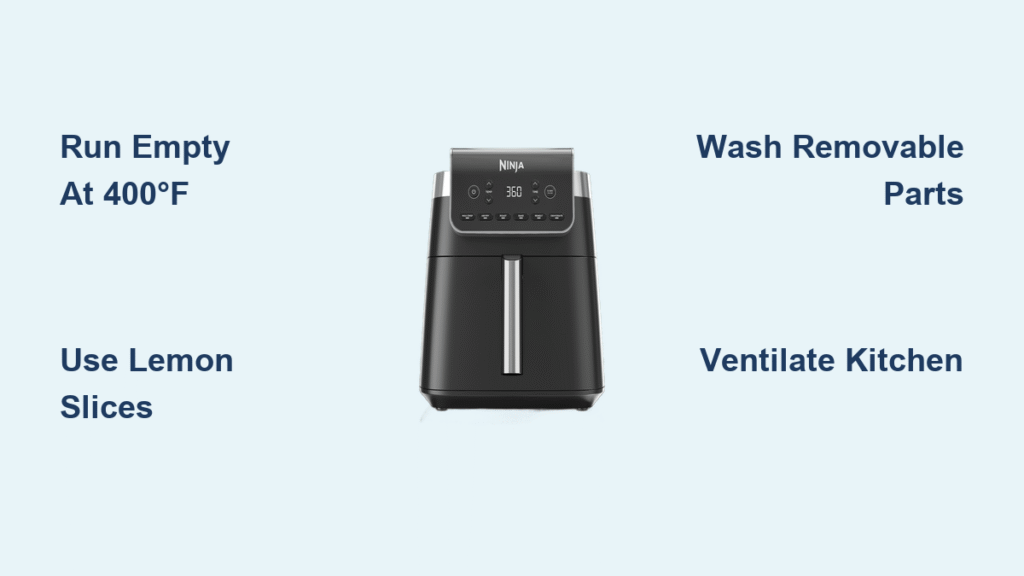
Start by washing all removable parts with warm, soapy water. Remove the basket, crisper plate, and any other detachable components, scrubbing gently with a non-abrasive sponge. Pay special attention to corners and crevices where packaging debris often hides. Dry every component thoroughly—any remaining moisture can create additional odors during heating.
Inspect the interior carefully, especially around the heating element area. Look for any plastic films, stickers, or protective materials you might have missed during unpacking. Even small pieces can create significant odors when heated. Use a flashlight to check the upper areas near the heating coils where debris often accumulates.
Empty Cycle Break-In Method
Run your air fryer empty for 15-20 minutes at 400°F—this crucial step burns off residues without food odors interfering. Position the unit near a window or under your range hood with ventilation running. Repeat this empty cycle 2-3 times before cooking any food.
For enhanced results, try the lemon method: place 3-4 lemon slices in the basket during your last empty cycle. The citrus oils help absorb residual odors while adding a fresh scent that counteracts the burning plastic smell.
Model-Specific Break-In Requirements
AF100 Series Quick Fix
The original Ninja AF100 series shows higher odor reports in early production batches. The heating element coating appears to be the primary source, with most users experiencing complete odor elimination after 3-4 cycles. If your AF100 continues smelling beyond this point, check the manufacturing date on the unit’s label—units produced in the first six months of release may have had different coating formulations.
Dual Zone AF300/400 Models Protocol
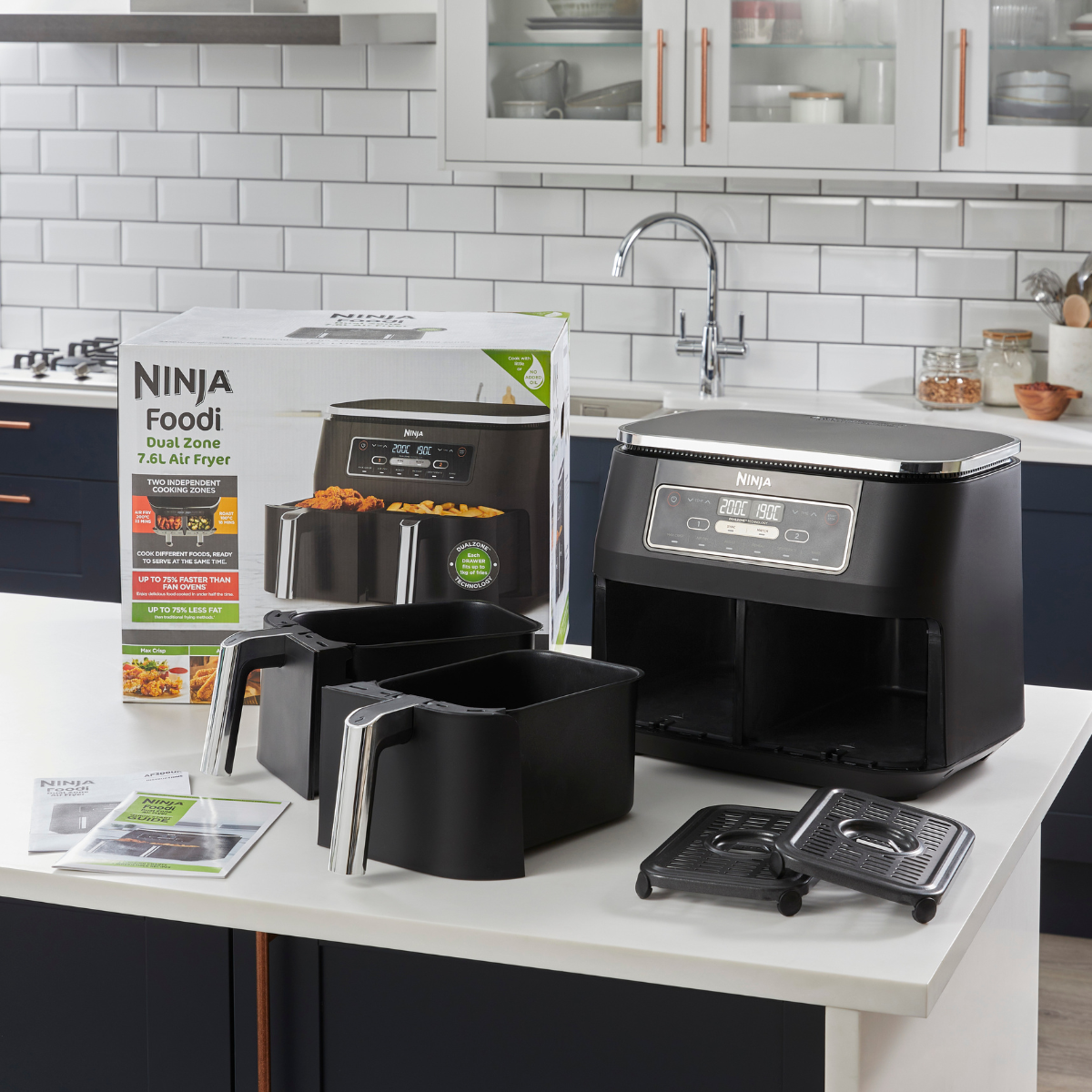
Dual-zone models like the AF300 and AF400 feature two separate heating elements, potentially creating stronger initial odors. Plan for 5-6 cycles to complete break-in due to the increased complexity. Run empty cycles in both zones separately—start with the larger zone, then repeat with the smaller one.
Foodi Air Fry Oven Special Considerations
Ninja’s Foodi air fry ovens typically require 7-8 cycles for complete odor elimination due to their larger capacity and multiple heating zones. The extended break-in period benefits from overnight ventilation between uses—leave the door slightly ajar after each cycle to allow residual vapors to escape.
Proven User Solutions for Stubborn Odors
Household Odor Absorbers That Work
Many users successfully accelerate odor elimination using household items:
- Vinegar steam cycle: Mix one cup of water with one cup of white vinegar in the basket and run at 350°F for 10 minutes
- Baking soda: Place an open box in the cool air fryer basket between uses (replace every 24 hours)
- Coffee grounds: Leave a bowl of fresh grounds in the basket overnight to absorb odors while leaving a pleasant scent
When to Contact Ninja Support
Contact Ninja customer support if odors persist beyond 10 complete cooking cycles, especially if you’ve followed the break-in protocol correctly. Have your model number, serial number, and purchase date ready. Document specific details about when you first noticed the smell and what steps you’ve taken to address it.
Preventing Burn-In Odors in Future Purchases
Smart Shopping Strategies
When purchasing your next Ninja air fryer:
– Verify the production date when possible (units manufactured 3-6 months prior typically have milder initial odors)
– Check for intact factory seals—broken seals may indicate returns or extended warehouse storage
– Read recent reviews specifically mentioning odors—patterns in complaints may indicate batch-specific issues
Long-Term Maintenance to Prevent Recurrence
After completing the break-in period, establish a weekly deep-cleaning routine. Remove and wash all detachable parts with warm, soapy water. Wipe down the heating element area with a damp cloth (never use metal scrubbers). Always ensure your air fryer cools completely before storage, and store with the basket slightly ajar to maintain air circulation.
That burning plastic smell from your new Ninja air fryer is a temporary nuisance, not a permanent problem. Within 3-5 proper break-in cycles using the empty run protocol and ventilation strategies outlined here, you’ll eliminate these odors completely. The key is patience during the initial period and consistent application of the break-in method. Once complete, your air fryer will provide years of odor-free cooking, making this brief inconvenience a distant memory.