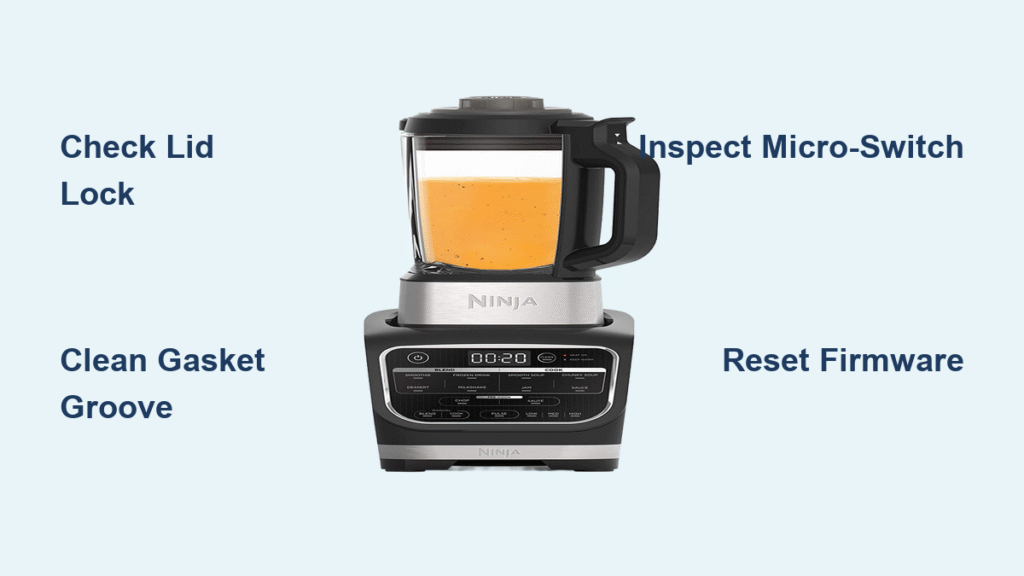
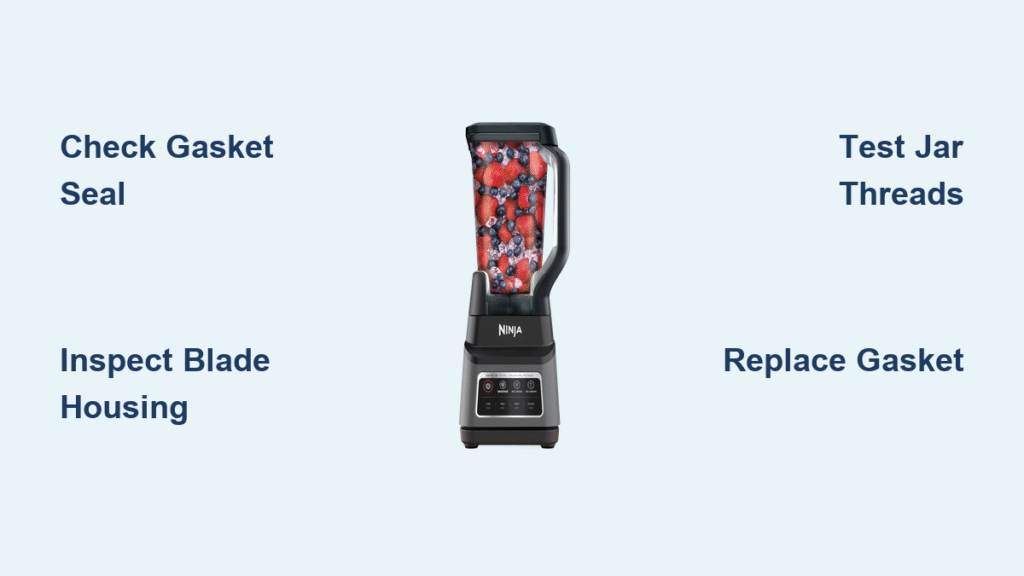
That sinking feeling when your morning smoothie starts pooling under your Ninja blender base? You’re not alone. When your Ninja blender leaks from bottom surfaces, it transforms a kitchen essential into a frustrating mess—dripping onto countertops, shortening motor life, and wasting precious ingredients. The good news is most leaks stem from just three faulty components, not a doomed appliance. And you can diagnose and fix 90% of Ninja blender leaking from bottom issues in under five minutes with basic tools. This guide cuts through the confusion to show you exactly where to look, how to test, and which replacement parts will stop the drip for good.
Pinpoint Your Exact Leak Location
Gasket Failure Warning Signs
Start by examining the black rubber ring between your blade assembly and jar. When this critical seal fails, you’ll spot a wet ring forming directly under the blade housing during blending or when the jar is inverted. Look for telltale signs: a flattened, torn, or stretched gasket that no longer creates a tight barrier. Daily use with acidic ingredients like citrus or tomato sauces accelerates breakdown—expect 12-18 months of reliability before replacement becomes necessary. If your gasket feels brittle or has visible gaps when stretched, it’s time for a new one.
Cracked Blade Housing Clues
If liquid pours straight from the center of your jar base regardless of gasket condition, inspect the plastic surrounding the blade spindle. Hairline fractures often radiate outward from the hexagonal drive socket, creating direct pathways for leaks. These cracks typically appear after dropping the blade assembly, over-tightening by hand, or subjecting the housing to thermal shock—like blending hot soup then immediately adding ice. Shine a flashlight through the jar interior while rotating it slowly; cracks will glow as bright lines against the darker plastic.
Stripped Jar Thread Indicators
Leaks that only happen when the jar is fully tightened signal damaged threading inside the base. Examine the threads for flattened, stripped, or cracked areas—often accompanied by visible plastic shavings. This damage usually stems from cross-threading during assembly or excessive force when securing the jar. If you notice the jar wobbles slightly or requires more turns than usual to lock into place, compromised threads are likely the culprit.
Execute These Leak-Detection Tests

Two-Minute Visual Inspection
Unplug your blender and empty the jar completely. Remove the blade assembly and immediately check three critical zones: the gasket for distortion, the blade housing underside for radial cracks around the spindle, and the jar base threads for damage. This quick assessment identifies 80% of Ninja blender leaking from bottom causes before you even run water through it. Pay special attention to the gasket seating—any twist or gap prevents proper sealing.
Reliable Water Test Method
Fill your container halfway with lukewarm water and add one drop of food coloring for visibility. Assemble normally and hand-tighten to snug fit—never use tools. Place the jar on your counter (not the motor base) and observe for three minutes. If leaks appear here, the issue lives in the jar or blade assembly. No counter leaks but dripping when placed on the base? That points to improper assembly or gasket failure. For confirmation, pulse for three seconds on the motor base—new leakage confirms your diagnosis.
Hidden Crack Detection
Darken your kitchen and shine your phone’s flashlight from inside the container. Rotate slowly while watching for illuminated fissures—any cracks will appear as bright lines against the darker background. Mark suspicious areas with a dry-erase pen before disassembly. This technique catches micro-cracks that might be missed during casual inspection, especially in Tritan plastic jars where stress fractures often start at the bottom corner.
Replace Faulty Gaskets Like a Pro
Choosing Your Replacement Seal
For most Ninja models (BL660, BL770, BL780, BL820), the 6F-Blade Gasket (Ninja part #351KKU6500) is the exact factory match. Consider upgrading to aftermarket silicone gaskets—they’re 2mm thicker and temperature-rated to 450°F, providing extended durability for frozen desserts and hot soups. Both cost $6-$12 and ship within days from NinjaKitchen.com or Amazon. Always verify your model number before ordering to ensure compatibility.
Foolproof Installation Steps
Soak your new gasket in warm water for five minutes to increase flexibility. Stretch it evenly over the blade lip, ensuring it sits flat without twists or gaps. Hand-tighten the blade assembly until you feel resistance increase, then add only an additional 1/8 turn—any more risks damaging threads. Avoid petroleum-based lubricants; if the gasket feels stiff, use a drop of food-grade mineral oil instead. Retest immediately with the water test to confirm the fix.
Extend Gasket Lifespan Now
Rotate your gasket 180° weekly to distribute wear evenly across its surface. During weekly deep cleaning, apply a thin film of food-grade silicone grease to maintain elasticity—this simple habit extends gasket life by 40% according to user reports. Never soak the entire blade assembly for more than 10 minutes; water ingress into bearings significantly shortens its lifespan.
Swap Damaged Blade Assemblies Correctly

OEM vs Aftermarket Comparison
Choose between the official 6-Fin Total Crushing Blade Assembly (357KKU) for $29.99 or aftermarket versions at $18.99. The OEM part includes a 90-day warranty and precise torque specifications for your model, while aftermarket options often match performance but may lack the “Total Crushing” stamp. For single-serve cups, verify the blade type—Nutri Ninja models require specific o-rings that generic seals won’t fit.
Critical Installation Protocol
Hand-tighten the new blade assembly only—never use pliers or tools that could crack the housing. For first use, blend plain water for 30 seconds to purge any factory oils that might contaminate ingredients. This ensures proper seating and prevents oily residue in your next smoothie. If leaks persist after replacement, double-check that you’ve removed all traces of the old gasket before installing the new one.
Model-Specific Pitfalls
Ninja Professional BL660/BL770 models experience accelerated gasket flattening after 9-12 months of daily frozen fruit blending. The 72-oz pitcher base uses softer plastic threading—always hand-tighten to prevent damage. For Foodi Cold & Hot Blenders (HB152), thermal shock from ice-to-boiling transitions cracks housings faster; inspect monthly and use tempered glass cycles.
Decide on Jar Base Repairs

Replacement Cost Analysis
When base threading fails, replacement costs $25-$65 depending on your exact model. Match the capacity (40 oz, 64 oz, or 72 oz) and verify thread pitch before ordering. For units under one year old, contact Ninja warranty support—threading damage from manufacturing defects qualifies for free replacement. Use this decision matrix:
| Unit Age | Recommended Action |
|---|---|
| Under 1 year | Free warranty replacement |
| 1-3 years | DIY replacement if parts under $25 |
| Over 3 years | Compare repair cost vs new unit ($119-$139) |
Prevent Recurring Bottom Leaks
Daily Maintenance Essentials
Rinse your blade assembly immediately after use to prevent food from hardening against the gasket. Never soak the entire assembly for more than 10 minutes—water ingress into bearings significantly shortens lifespan. Wipe jar threads with a damp cloth before each use to remove abrasive residue that accelerates wear.
Weekly Deep Cleaning Routine
Use a soft-bristled brush to clean threading thoroughly. Dried smoothie residue acts as an abrasive, accelerating thread wear. Check gasket condition weekly and rotate 180° to distribute wear patterns evenly. Apply a thin film of food-grade silicone grease to maintain elasticity and prevent flattening.
Smart Storage Habits
Store jars upright without the blade assembly installed. This relieves constant gasket compression and prevents permanent deformation. Avoid stacking heavy items on blade assemblies, which can crack the plastic housing. Keep replacement gaskets in a cool, dark place—heat and UV exposure degrade rubber seals.
Navigate Warranty Claims Successfully
Coverage Details You Need
Ninja provides 1-year parts and labor coverage in the USA/Canada, extending to 2 years in the EU/UK. Coverage includes manufacturing defects like improperly seated gaskets or cracked blade housings discovered out of the box. User-induced damage from over-tightening or dishwasher misuse voids warranty claims—always hand-wash blade assemblies.
Streamlined Claim Process
Register your serial number within 10 days of purchase online. When leaks develop, contact 1-877-646-5288 with proof-of-purchase, photos of the leak, and your model/serial number. Typical turnaround ranges from 7-10 business days for parts shipment to 14-21 days for complete unit replacement. For faster service, include a video showing the water test results.
Your Ninja blender leaking from bottom isn’t a terminal issue—it’s typically a $6-$35 fix requiring minimal tools. Start with the water test to confirm your leak source, then follow the specific repair steps for your diagnosed problem. By rotating gaskets weekly and hand-tightening blade assemblies, you’ll prevent 90% of future leaks. Remember: proper maintenance extends your blender’s life far beyond the warranty period, saving you from unnecessary replacements. Keep this guide handy for your next leak emergency—you’ll be back to drip-free blending in minutes.