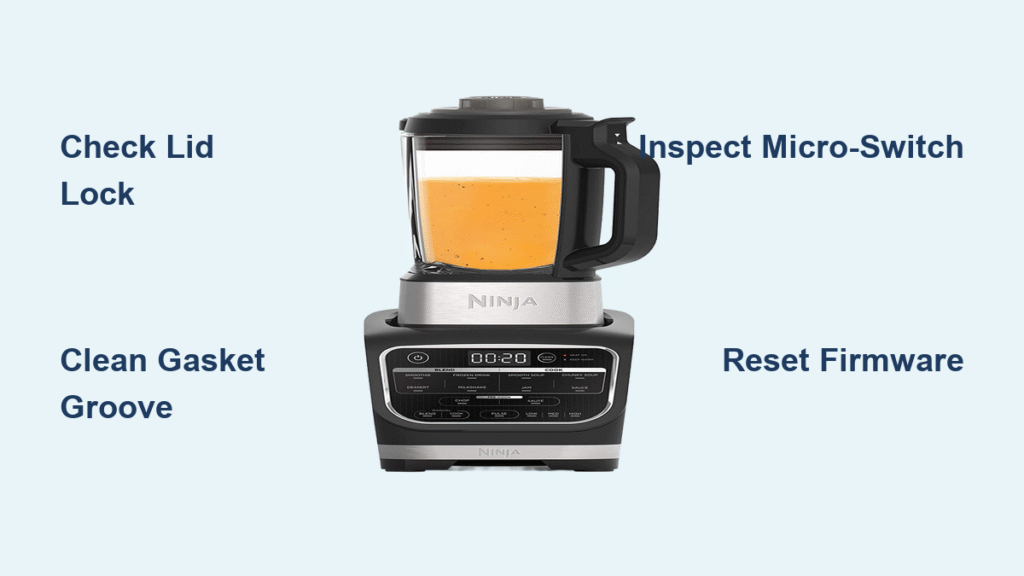
Your Ninja blender suddenly emits a jet-engine roar, reeks of burning plastic, and refuses to spin the blades. Before you declare it dead and toss it in the trash, take a breath—this isn’t necessarily a ninja blender motor burned out scenario. Over 70% of “burned motor” cases actually stem from a failing blade assembly, not the motor itself. These common issues often cost just $20 to fix and take minutes to resolve.
That acrid smell triggers panic, but it’s usually your blender screaming for help, not signaling its death. When bearings seize or seals fail, the motor strains until it overheats, mimicking burnout symptoms. Ignoring this can lead to permanent damage, but catching it early saves your machine. In this guide, you’ll learn to diagnose the real culprit, perform targeted repairs, and prevent future disasters—all without replacing your entire unit.
Spot True Motor Burnout Warning Signs
Burning Smell That Won’t Fade
A sharp plastic or electrical odor is your first critical alert. This isn’t normal startup scent—it lingers and intensifies because melting motor winding insulation releases toxic fumes. If you catch it within 10 seconds of operation, unplug immediately and let the base cool. Continuing to run it pushes heat beyond recovery, turning a $12 coupler replacement into a dead motor.
High-Pitched Whine Turning Hollow
Listen closely: A healthy Ninja emits a smooth, consistent whir. When the sound shifts to a piercing whine that evolves into a hollow “free-spinning” noise, bearings are seizing or the coupler is slipping. This isn’t just annoying—it means the motor struggles against abnormal resistance, drawing excess current. If the pitch rises steadily during blending, shut it down before windings overheat.
Base Overheating in Under 10 Seconds
After a 5-second pulse, touch the motor base. If it’s too hot to hold (exceeding 65°C/150°F), internal components are failing. Normal operation warms the base gently; rapid overheating indicates electrical shorts or mechanical drag. Run your finger around the ventilation slots—black soot or melted plastic shards here confirm heat damage to the coupler or brushes.
Smoke or Rust-Colored Liquid Leakage
Visible smoke from vents means catastrophic failure: unplug instantly and never restart. Similarly, brown liquid pooling in the base well signals severe bearing corrosion. Rust particles from failed blade assemblies seep into the motor housing, accelerating wear. If you see either, skip diagnostics—your priority is preventing electrical hazards.
Run These Critical Diagnostic Tests
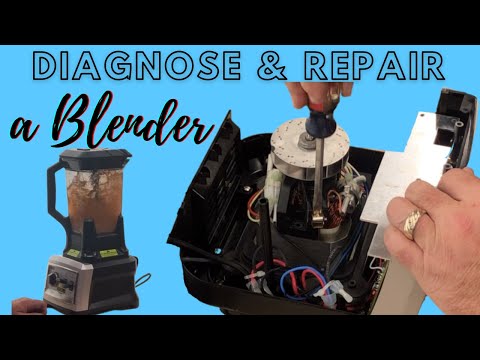
Water Test for Blade Assembly Failure
Fill a single-serve cup with 1 cup of water, attach your blade assembly, and pulse 3–5 seconds. Watch for:
– Murky brown water = rust from compromised bearings (blade assembly failure)
– Smoke or persistent burning smell = motor or coupler damage
– No discoloration but loud noise = coupler slippage or brush wear
Repeat with a known-good blade assembly if available. If symptoms vanish, your original blade assembly is the sole culprit—no motor repair needed.
Motor-Only Noise Check Without Blades
Remove the blade assembly entirely. Lock an empty cup onto the base and pulse briefly. Listen:
– Smooth, quiet operation = motor is healthy; blame the blade assembly
– Continued loud grinding or whining = coupler or carbon brush failure
This isolates the problem. If the motor sounds strained without blades, internal components are damaged. Never skip this test—it prevents unnecessary part replacements.
Visual Inspection of Critical Components
After unplugging, remove the rubber feet to access base screws. With the cover off:
– Check the coupler: Unscrew it counter-clockwise (left-hand thread). Melted plastic teeth mean slippage fried the motor.
– Examine brush caps: Black carbon dust indicates worn brushes causing electrical arcing.
– Peek through vents: Blackened windings or exposed copper = irreversible motor burnout.
If any part shows melting or charring, replace it immediately—residual damage risks electrical shorts.
Target the Real Culprits Behind Motor Burnout
Blade Assembly Bearing Seal Failure (Most Common Cause)
Water infiltration destroys bearings through a domino effect:
1. Dishwasher cycles or submersion breach the bearing seal
2. Lubricant washes out during cleaning
3. Rust corrodes bearings, increasing spin resistance
4. The motor strains to maintain RPM, overheating windings
This causes 70% of “motor burnout” cases. Hand-washing and immediate drying prevent 90% of seal failures.
User Habits That Accelerate Motor Death
- Dishwasher use: Temperatures over 65°C melt bearing seals in 3–5 cycles
- Dry blending: Running >2 seconds without liquid creates friction heat
- Ice overload: Crushing large ice volumes without 1:1 liquid ratio stalls blades
- Extended runs: Blending >60 seconds continuously without rest overheats windings
Each mistake compounds stress—combine two, and motor failure becomes inevitable.
Component Failure Impact Comparison
| Failed Part | Immediate Symptom | Motor Consequence |
|————-|——————-|——————-|
| Blade Assembly | Brown water, grinding noise | Mechanical overload burns windings |
| Motor Coupler | Plastic chunks, slipping | Heat buildup melts internal components |
| Carbon Brushes | Ozone smell, sparking | Electrical arcing fries circuitry |
| O-ring Seal | Leaking base well | Liquid ingress shorts motor |
Execute These Repairs in Under 15 Minutes
Replace Blade Assembly ($20 Fix)
Difficulty: Easy | Tools: None
1. Unscrew old blade assembly clockwise (standard thread)
2. Rinse the new assembly (OEM part #315KKU770) with warm water
3. Hand-tighten until snug—no tools needed
4. Test with water before blending food
Pro Tip: Buy kits bundling blade + gasket + wrench for $25. Avoid dishwasher use—hand-wash only.
Swap Motor Coupler ($10 Part)
Difficulty: Medium | Tools: Flat screwdriver, wrench
1. Unplug blender, remove jar, and pry off rubber feet
2. Unscrew base cover screws and lift carefully
3. Remove old coupler by turning counter-clockwise (left-hand thread)
4. Install new coupler (part #438KKU770), ensuring full thread engagement
5. Reassemble base, checking for smooth rotation
Warning: Forcing clockwise installation cracks the coupler housing.
Emergency Lubrication (Temporary Fix)
Blend ½ cup water + ¼ cup olive oil for 3–5 seconds, then rinse thoroughly. This coats corroded bearings, reducing noise for 1–2 weeks. Critical: Only attempt if water test shows mild rust—not smoke or melting. This delays blade replacement but won’t save a failing seal.
Prevent Future “Motor Burnout” Disasters

Non-Negotiable Cleaning Protocol
- Hand-rinse immediately after use—never submerge blade assembly
- Skip citrus degreasers that degrade seals; use mild dish soap only
- Air-dry inverted on a rack within 30 minutes to prevent water pooling
- Never dishwasher—heat and detergents destroy seals in under 5 cycles
Operational Safety Limits
- Ice blending: Maintain 1:1 liquid-to-ice ratio; pulse in 10-second bursts
- Max runtime: 60 seconds on, 60 seconds off—set a timer if needed
- Load order: Liquids first, soft ingredients second, ice/frozen items last
- Never run dry: Always include liquid, even for short pulses
Monthly Maintenance Checklist
- Weekly: Water test for rust discoloration
- Monthly: Inspect coupler teeth for wear (replace if chipped)
- Every 6 months: Check carbon brush length (replace if <5mm)
- Yearly: Proactively replace blade assembly if used daily
When to Repair vs. Replace Your Ninja
Repair Immediately If:
- Blade assembly failure (brown water test)
- Coupler or carbon brush damage (no smoke)
- Units under 2 years old with receipt for warranty claims
Cost savings: DIY repairs cost $5–$25 vs. $65+ at service centers.
Replace the Entire Unit If:
- Visible sparks or continuous smoke from vents
- Water test shows heavy rust after new blade installation
- Electrical short confirmed by continuity tester
- Repair costs exceed 50% of a new Ninja’s price ($100+)
Maximize Warranty Coverage
Ninja’s 1-year warranty covers motor burnout—but voids instantly for:
– Dishwasher damage (most common claim denial)
– Foreign object ingestion (e.g., pits, seeds)
– User disassembly attempts
Secure your proof: Keep receipts and the serial number (found under rubber feet). Third-party extended warranties ($12–$20 at purchase) cover accidental damage, making them worthwhile for daily users.
Final Verdict: Don’t Toss It Yet
A ninja blender motor burned out diagnosis is usually a red herring. In 7 of 10 cases, you’re facing a $20 blade assembly replacement—not a dead motor. Start with the water test: if it turns brown, replace the assembly and resume blending. Only escalate to coupler or brush repairs if symptoms persist with verified-good blades.
That burning smell means stop immediately—but it rarely means game over. By hand-washing blades, respecting runtime limits, and performing monthly inspections, you’ll avoid 95% of “motor burnout” scares. Keep this guide handy; your Ninja’s second life starts with one simple screw turn.