Your Ninja Creami suddenly emits acrid smoke while processing frozen dessert, filling your kitchen with the unmistakable stench of burning plastic. You’re not imagining things—dozens of users like Jason Del Rio have documented nearly identical failures with brand-new machines, turning their $200 countertop appliance into a potential fire hazard within weeks of purchase. This isn’t random equipment failure; it’s a predictable pattern of overheating that strikes even when following official recipes precisely. You’ll learn exactly how to respond when smoke appears, decode the subtle warnings your Creami gives before catastrophic failure, and implement proven usage protocols that prevent thermal disasters—keeping your frozen treats safe and your kitchen smoke-free.
Stop Your Smoking Creami: Emergency Protocol
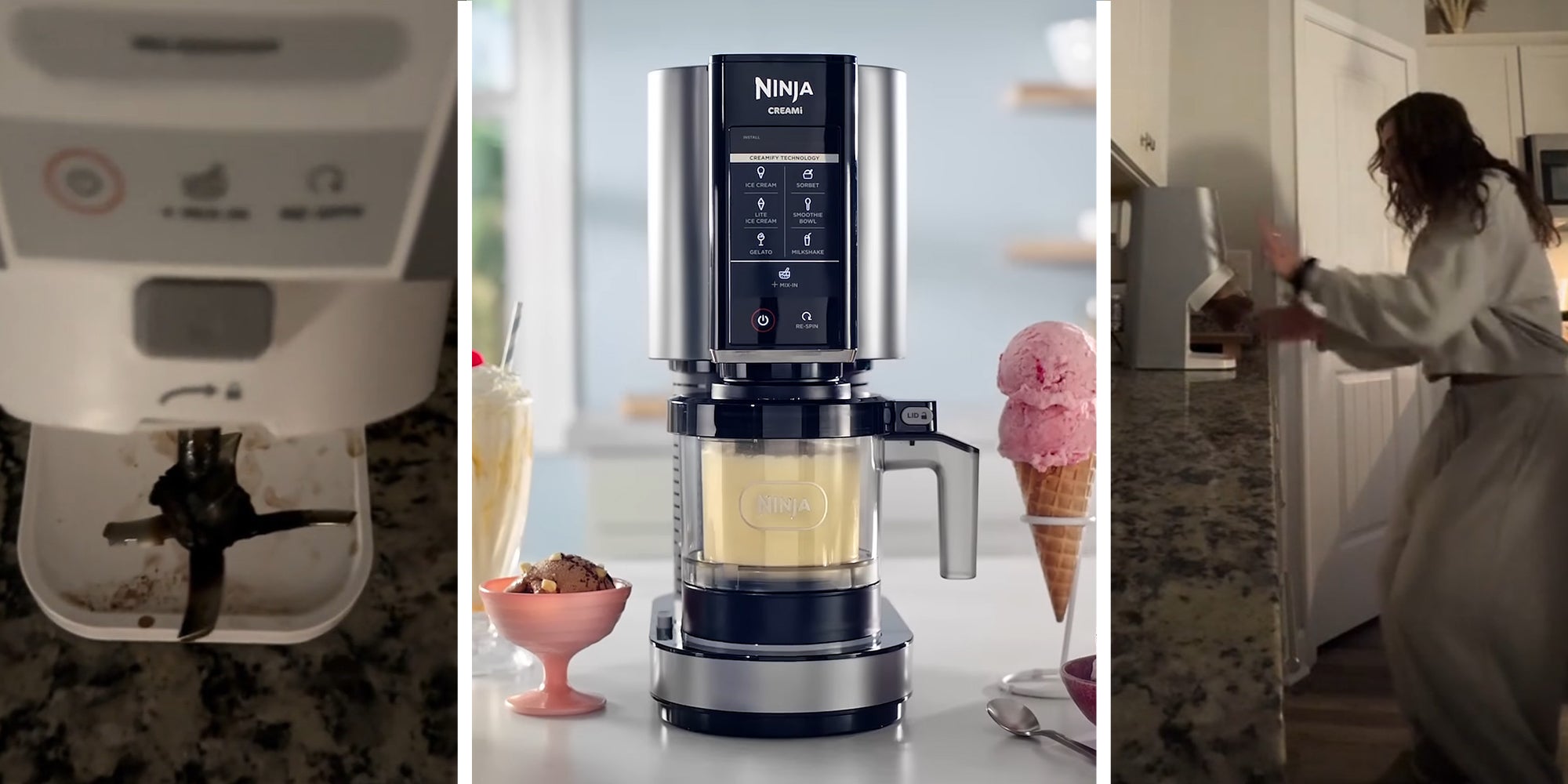
Unplug Before Damage Spreads
Every second counts when smoke appears. Immediately yank the plug from the wall outlet—not just hitting the power button—as Jason Del Rio discovered during his Father’s Day gift failure. His TikTok video shows how ignoring initial warning sounds led to “barreling smoke out” within minutes, melting the blade housing beyond repair. Critical safety steps:
– Move the smoking unit to stone countertops or concrete floors away from cabinets
– Open all windows immediately to dissipate toxic fumes
– Never open the pint container until completely cool—residual heat can ignite vapors
– Photograph melted components from multiple angles for warranty claims
Recognize Pre-Failure Warning Signs
Your Creami broadcasts distress signals long before smoke appears, as Wirecutter’s professional testing confirmed. During lab evaluations, testers noted abnormal vibrations and that “burnt-plastic” taste in finished desserts—clear indicators of overheating. Watch for these danger cues:
– Visual red flags: Blade scraping container walls (creating visible plastic shavings in your mixture) or excessive machine vibration
– Auditory warnings: High-pitched motor whining instead of steady operation
– Olfactory alerts: Faint burning plastic smell during or after cycles
Why Your Ninja Creami Overheats: Mechanical Truths
Motor Overload from Frozen Ingredients
Professional testing reveals why this happens: “it takes a lot of force for a blade to get through frozen material,” causing the motor to “work hard—maybe too hard” under normal operation. Wirecutter testers observed dangerous strain when processing dense mixtures, especially with common user errors like:
– Insufficient freezing time (less than 24 hours at 0°F)
– Overfilling containers past the max line
– Adding large chunks like whole nuts or cookie pieces
– Running back-to-back cycles without cooling periods
Critical Design Weaknesses Exposed
Failure points cluster where heat builds fastest—the blade-to-motor junction. Jason Del Rio’s melted unit showed severe damage precisely at this connection point, indicating inadequate thermal protection in high-stress areas. Community reports confirm this isn’t isolated: multiple TikTok users documented identical top-housing meltdowns within days of each other, suggesting batch-specific vulnerabilities in newer models. When plastic shavings appear in your frozen mixture, it’s proof the blade is scraping the container—a direct path to motor overload.
Prevent Smoking: Your Essential Usage Checklist

Freeze Time Requirements That Actually Work
Rock-solid ingredients are non-negotiable. Wirecutter’s testing proves partial freezing creates dangerous resistance. Your mixture must be uniformly solid—no soft spots—before processing. Enforce this freeze protocol:
– Freeze minimum 24 hours at 0°F (-18°C)
– Test with a butter knife: It should meet concrete-like resistance throughout
– Never process mixtures that yield when pressed with your finger
– Avoid high-alcohol recipes (max 2 tbsp per pint) that lower freezing points
Ingredient Rules for Safe Operation
Following Ninja’s recipe book isn’t enough, as Del Rio discovered when using quartered fruit per instructions. Modify these critical factors:
– Chunk size limit: Fruit pieces no larger than quarters
– Fill line discipline: Stop filling when ½ inch below container rim
– Sugar watch: High-sugar bases freeze softer, increasing motor strain
– Mix-in timing: Add nuts or cookies after initial processing cycle
Cycle Management to Avoid Heat Buildup
Heat accumulates rapidly during operation. Wirecutter testers measured dangerous temperature spikes during extended use. Implement this cooling schedule:
– Wait 5+ minutes between cycles (longer if housing feels warm)
– Never process more than 2 pints consecutively
– Store in cool areas away from ovens or dishwashers
– Stop immediately if motor sounds labored or strained
Diagnose Danger: Your Pre-Operation Safety Scan
Sound Analysis Before Pressing Start
Listen critically during the first 10 seconds of operation. Normal sound should be a consistent, powerful hum—not these danger indicators:
– Grinding/metallic noise: Blade contacting container (stop immediately)
– Intermittent stuttering: Overheating protection kicking in
– Rising pitch: Motor straining against frozen resistance
Visual Inspection Checklist
Perform this 30-second check before every use:
– Examine blade for nicks or bending (replace if damaged)
– Inspect container for cracks from freezing stress
– Verify base sits flat without wobbling
– Check power cord for melting or fraying near plug
Warranty Claims That Actually Work
Document Like a Pro for Fast Replacement
Ninja’s active replacement program requires precise evidence. When Jason Del Rio’s unit melted, he secured a Ninja Breeze replacement by providing:
– Original purchase receipt (digital or physical)
– Multi-angle photos of melted housing
– Serial number from machine base
– Video of smoke emission (filmed from safe distance)
Contact Strategy That Gets Results
Skip slow email channels. Users report fastest replacements through:
1. Twitter DM @ninjakitchen (response within 24 hours)
2. Instagram direct messages (faster than phone support)
3. Phone: 1-866-826-6941 (mention “safety hazard” for priority)
Critical phrase: “This is a fire hazard—my Creami is smoking and melting.” This triggers immediate escalation per multiple user reports.
Community Safety Resources You Need Now
Real-Time Incident Tracking
Monitor TikTok’s #ninjacreami hashtag weekly for emerging patterns. Recent spikes show:
– Seasonal correlation (more failures in summer heat)
– Batch number clusters (users sharing serial prefixes)
– Replacement trends (Ninja Breeze units now common swaps)
Trusted Support Networks
Join these communities for validated troubleshooting:
– Facebook: Ninja Creami Recipe Sharing (15k+ members)
– Reddit: r/ninjakitchen (technical deep dives)
– TikTok: Search “Creami smoking fix” for live diagnostics
Maintenance That Prevents Meltdowns
Weekly 5-Minute Safety Check
- Wipe blade assembly with damp cloth (never submerge motor base)
- Inspect for plastic shavings in container base
- Test stability on countertop—no movement during operation
- Verify power cord integrity
Monthly Thermal Tune-Up
- Clear motor vents with compressed air (prevents heat trapping)
- Hand-tighten housing screws (vibration loosens them)
- Check warranty status online (register if expired)
Final Safety Summary
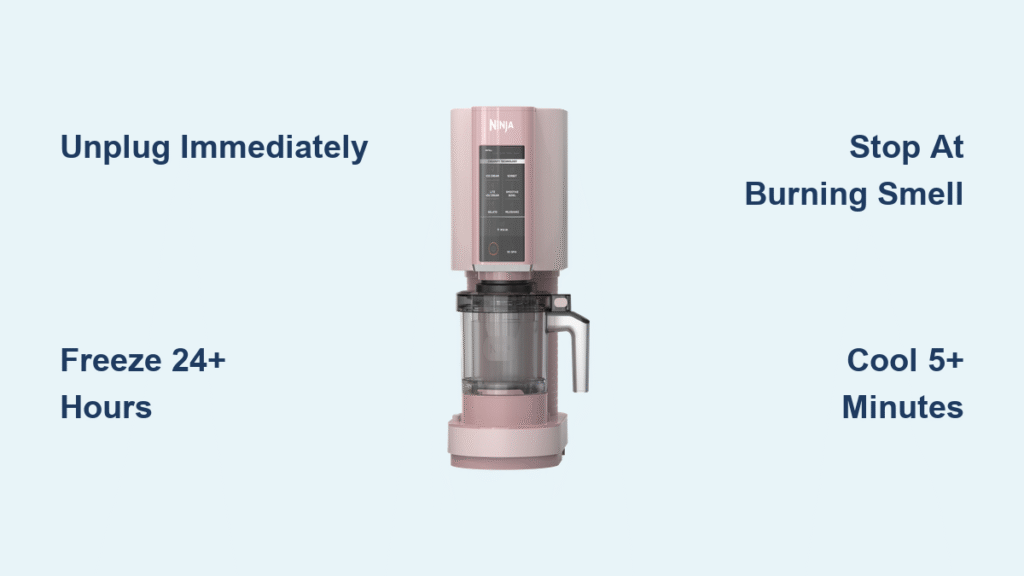
Your Ninja Creami smoking incident follows a dangerous but preventable pattern—motor overload from inadequate freezing, oversized ingredients, or skipped cooldown periods. Jason Del Rio’s melted unit and Wirecutter’s professional testing prove this isn’t user error but a design vulnerability in high-stress components. Critical rules to save your appliance: Always freeze 24+ hours, never exceed fill lines, enforce 5-minute cooldowns between cycles, and stop at the first hint of burning smell. If smoke appears, you’re almost certainly eligible for a replacement—document everything and contact Ninja via Twitter DM using “fire hazard” terminology. Remember: No frozen treat is worth risking your kitchen’s safety. When your Creami strains, respect its limits—it’s not just about saving $200; it’s about preventing a real fire hazard in your home.