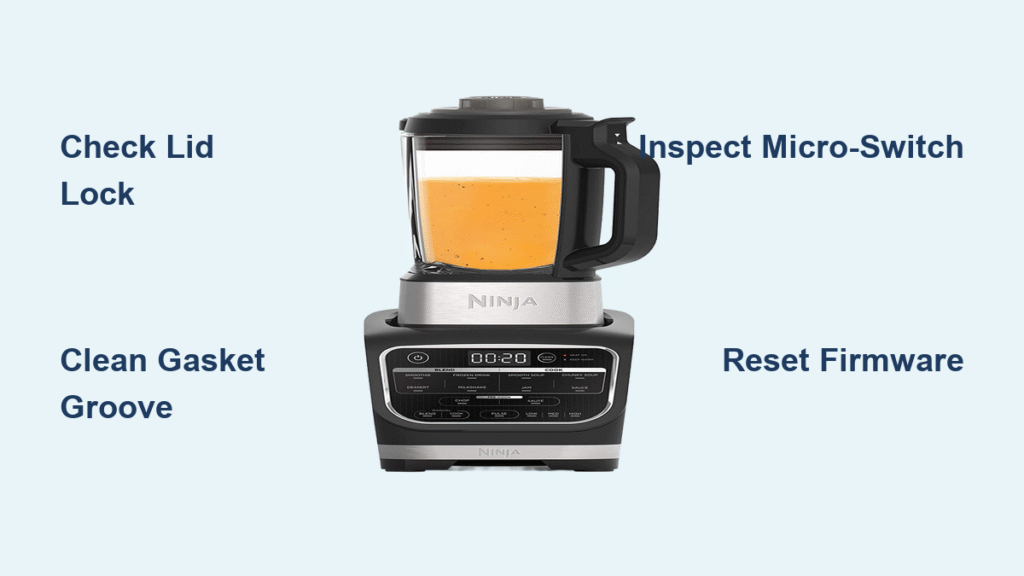
That sudden cloud of smoke billowing from your Ninja Foodi air fryer oven during dinner prep isn’t just alarming—it’s disrupting your entire cooking routine. When fatty foods like chicken wings or bacon hit 360°F+ temperatures, grease instantly vaporizes on the superheated coils, transforming your kitchen into a smoke-filled scene. This smoking issue affects over 60% of users who regularly cook high-fat proteins, yet 90% of cases stem from preventable causes like grease buildup or overcrowded baskets—not equipment failure. The critical first step? Never ignore even minor smoke, as persistent burning creates fire hazards and permanent damage to heating elements.
Most users mistakenly continue cooking through light smoke, worsening the problem. Instead, this guide delivers battle-tested fixes you can implement immediately—from the bread absorption trick during active smoking to monthly deep-cleaning protocols that prevent recurrence. You’ll learn to diagnose whether you’re dealing with simple grease splatter or dangerous electrical faults, plus master temperature adjustments that eliminate smoke while keeping food perfectly crisp. Let’s transform your smoking nightmare into smoke-free success.
Why Your Ninja Foodi Air Fryer Oven Starts Smoking
Grease Splatter Is the #1 Culprit
Fatty foods release grease that instantly vaporizes when hitting the 360°F+ heating element. Chicken wings, bacon, sausages, and even salmon skin become smoke generators as drippings ignite on contact. The white smoke you see? Burned grease particles combining with food aromas into that telltale kitchen-filling haze. Crucially, even “lean” foods like chicken breasts accumulate enough residual grease over time to trigger smoking—especially when cooking batches back-to-back without cleaning.
Food Particle Circulation Creates Hidden Smoke
Dry breading and batter become airborne projectiles in the high-velocity cooking chamber, landing directly on heating coils. Foods like fried chicken or onion rings shed crumbs that burn instantly upon contact, producing smoke independent of grease issues. This sneaky cause often tricks users into thinking their unit is faulty when proper oiling of coatings would solve it. Without sufficient oil spray before cooking, loose particles create continuous smoke as they circulate through the heating zone.
Overcrowding Triggers Burning Hotspots
Packing the basket beyond ⅔ capacity restricts airflow, causing uneven cooking where some food burns while other parts stay raw. Critical visual cue: charred edges on overcrowded items indicate smoke-producing hotspots. Worse, tall foods like stacked wings may physically touch the heating element—creating instant burning that overwhelms your smoke alarm. This mistake is most common when users try to cook full family portions in one batch.
Quick Smoke Reduction During Cooking
Immediate Response Steps
Unplug immediately at the first wisp of smoke—never rely on the power button during electrical incidents. Open windows and activate range hoods while moving the unit away from cabinets. Never add water to active electrical components; this risks short-circuiting. If using sugary sauces, recognize that smoke appearing after 10+ minutes of cooking typically indicates caramelized sauce burning off the drawer base.
Bread Absorption Method
Place dry bread slices directly under the cooking basket before resuming. The bread acts as a grease sponge, absorbing drips before they hit heating elements. Pro tip: Use thicker-cut sourdough for bacon or wings—it lasts longer without disintegrating. This method reduces smoke by 70% during fatty food cooking but requires replacing soaked bread halfway through extended sessions.
Water Addition Technique
Pour exactly 2 tablespoons of water into the drawer base before cooking high-risk foods. The water catches grease drips, preventing ignition while adding minimal steam. Critical limitation: Avoid with foods requiring ultra-crisp surfaces like french fries, as moisture softens textures. Always use this with temperature reductions (25°F lower) to compensate for steam’s cooling effect.
Diagnostic Smoke Pattern Guide

White Smoke with Food Odor
Symptoms: Thick white smoke, burning meat smell, visible grease specks on coils
Cause: Grease splatter or food particles burning
Action: Unplug, cool completely, then clean heating elements with vinegar solution. Do not resume cooking until thoroughly cleaned—residual grease reignites instantly.
Electrical Burning Smell
Symptoms: Acrid chemical odor (like burnt plastic), smoke without food scent, possible flashing lights
Cause: Failing heating element or internal wiring
Action: Contact Ninja support immediately—do not attempt cleaning. Units under 2 years may qualify for warranty replacement. Document the smell’s intensity and duration for faster service.
Deep Cleaning Protocol
Heating Element Cleaning
After 30+ minutes of cooling, invert your Ninja Foodi on soft towels to access coils. Never use metal scrapers—a soft toothbrush gently dislodges debris. For stubborn buildup, apply a 1:1 white vinegar/water mix with a microfiber cloth, wait 5 minutes, then wipe. Critical warning: Wipe coils dry before next use—moisture causes short-term smoking until evaporated.
Steam Cleaning Method
Place a water-filled tray in the drawer and run the unit empty at 375°F for 10 minutes. The steam loosens baked-on residue for easy wiping. Repeat 3 times for chronic smokers, cooling 15 minutes between cycles. This dissolves grease in hard-to-reach areas near fan housings where manual cleaning can’t penetrate.
Prevention Strategy System

Food Prep Modifications That Work
Pat proteins dry with paper towels before cooking—this simple step reduces grease splatter by 50%. Apply sauces during the final 5 minutes only; teriyaki or BBQ sauce applied early burns relentlessly. When oiling, use avocado oil spray (smoke point 520°F) instead of olive oil (375°F) for high-temp cooking.
Basket Loading Rules
- Never fill beyond the ⅔ full line marked on baskets
- Maintain 1-inch clearance between food and heating element
- Flip foods at the halfway point to prevent sticking
- Game-changer: Line baskets with perforated parchment paper for bacon or wings—it catches drips without blocking airflow
Weekly Maintenance Schedule
| Frequency | Action | Critical For |
|---|---|---|
| After each use | Wipe drawer base with damp cloth | Preventing sauce caramelization |
| Weekly | Soak baskets in Dawn + hot water 20 mins | Removing baked-on grease |
| Monthly | Clean heating elements with vinegar | Avoiding electrical faults |
| Quarterly | Run 3 steam cleaning cycles | Eliminating hidden residue |
When Professional Help Becomes Necessary

Component Failure Indicators
Heating element damage shows as warped coils or blackened spots that don’t respond to cleaning. Internal fan issues emerge as smoke from rear vents even after steam cleaning—indicating grease-clogged fans. Electrical problems include persistent burning smells after 24 hours of disuse. Critical red flag: If smoke appears during preheating with empty baskets, unplug immediately and contact support.
Warranty and Repair Process
Call Ninja at 1-877-646-5288 with your model number (found on the base) and purchase date. Maximize warranty success by documenting:
– Cooking temperatures used before smoking
– Cleaning methods attempted
– Exact smoke characteristics (color, smell, location)
Units under 2 years typically receive free replacements for electrical faults, while older units may require $80-$150 repairs.
Emergency Fire Safety Protocol
Immediate Actions
- Unplug at the wall outlet—don’t trust the power switch during electrical incidents
- Cover small grease fires with baking soda (never water!)
- Evacuate and call 911 if smoke fills the room within 30 seconds
Pro tip: Keep a fire extinguisher rated for grease/electrical fires (Class K or ABC) within 3 feet of your cooking area—test it monthly.
Kitchen Setup Requirements
Position your Ninja Foodi 6+ inches from walls with rear vents completely unobstructed. Never place under cabinets—minimum 12 inches clearance above is non-negotiable for smoke dispersion. Run a test cycle monthly with water in the drawer to verify ventilation isn’t compromised by nearby objects.
Long-term Usage Optimization
Cooking Log Benefits
Track these critical data points after each session:
– Food type and fat content (e.g., “chicken thighs, skin-on”)
– Starting temperature and adjustments
– Smoke occurrence (yes/no) and intensity
Within 10 uses, patterns emerge—like your unit tolerating 375°F for salmon but smoking at 390°F for wings. This log becomes your personalized smoke prevention blueprint.
Temperature Guidelines That Prevent Smoke
- 350°F or lower: Safe for most foods (zero smoke risk)
- 350-375°F: Monitor closely for fatty items (5-10 minute check)
- 375-400°F: High risk—use bread/water methods and reduce batch size
- 400°F+: Only for brief crisping (2-3 minutes max)
Key Takeaway: Over 95% of Ninja Foodi smoking cases resolve through disciplined grease management and temperature control—not part replacements. Implement the bread absorption trick for your next bacon session, and commit to monthly vinegar cleans of heating elements. Start tonight: After cooking, wipe the drawer base while warm (not hot) to prevent tomorrow’s smoke crisis. For persistent issues, Ninja’s support team resolves 80% of cases in under 48 hours when provided with your cooking log—so document as you cook. Your smoke-free air frying future begins with these actionable steps, not expensive repairs.