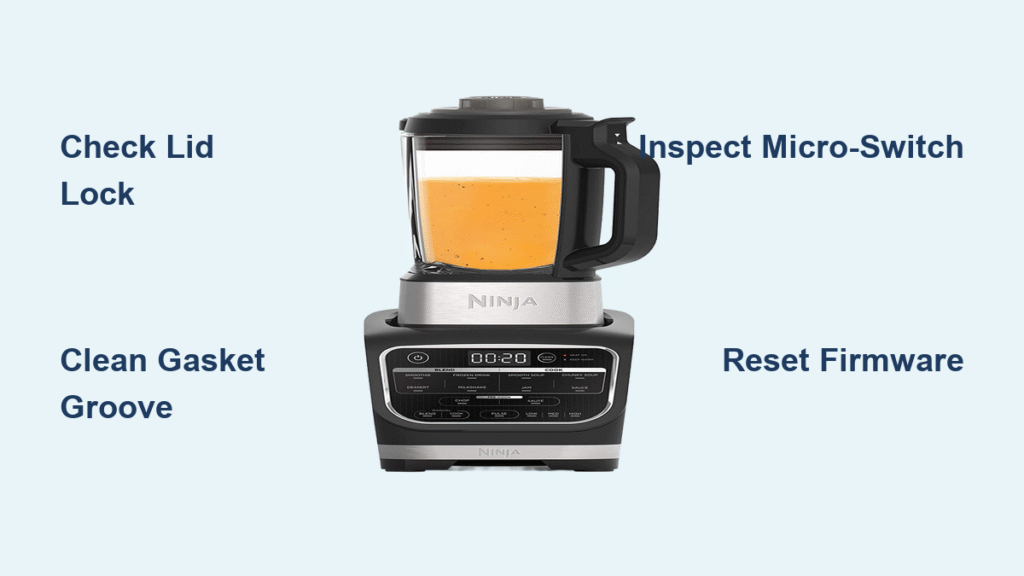
Your Ninja grill erupts in thick smoke the second bacon touches the griddle. The fire alarm wails, windows get thrown open, and you’re frantically waving towels to clear the haze. If you’ve ever abandoned a perfectly good cookout because of runaway ninja grill smoking, you’re not imagining things—it’s happening to thousands of users weekly in Ninja Foodi support groups. The good news? Most smoke emergencies stem from three preventable causes, and you can fix 90% of issues before your meal gets cold. This guide reveals exactly why your Ninja grill smokes, how to stop it instantly, and the daily habits that keep your kitchen smoke-free.
Contrary to popular belief, your Ninja isn’t defective—it’s reacting to oil exceeding its smoke point. When residual grease hits 375°F (olive oil’s burning threshold), it triggers that acrid kitchen fog. But here’s what most users miss: indoor models like the Foodi Grill create smoke differently than the OG701 Woodfire Outdoor Grill. Understanding this distinction is your first step toward smoke-free cooking. By the end of this guide, you’ll know how to diagnose smoke sources in under 60 seconds and implement solutions that work immediately.
Why Your Ninja Grill Smokes During Cooking
Smoke erupts when cooking fats hit their thermal limits on scorching surfaces. For indoor Ninja models, this happens when residual grease from previous cooks coats the heating element. Outdoor OG701 units face different challenges—like pellet over-burning—but share the same core physics: uncontrolled heat + oil/fat = kitchen chaos.
Oil Temperature Triggers Instant Smoke
Every cooking oil has a critical smoke point where it breaks down. Olive oil ignites at 375°F while avocado oil withstands 520°F. When your Ninja grill operates above these thresholds with accumulated grease, smoke fills your kitchen in seconds. The most common culprit? Bacon grease splattering onto the heating element during high-heat searing. This isn’t a malfunction—it’s chemistry in action. Lowering your temperature just 50°F often keeps oils below their smoke point while still achieving perfect sear marks.
Indoor vs. Outdoor Smoke Sources
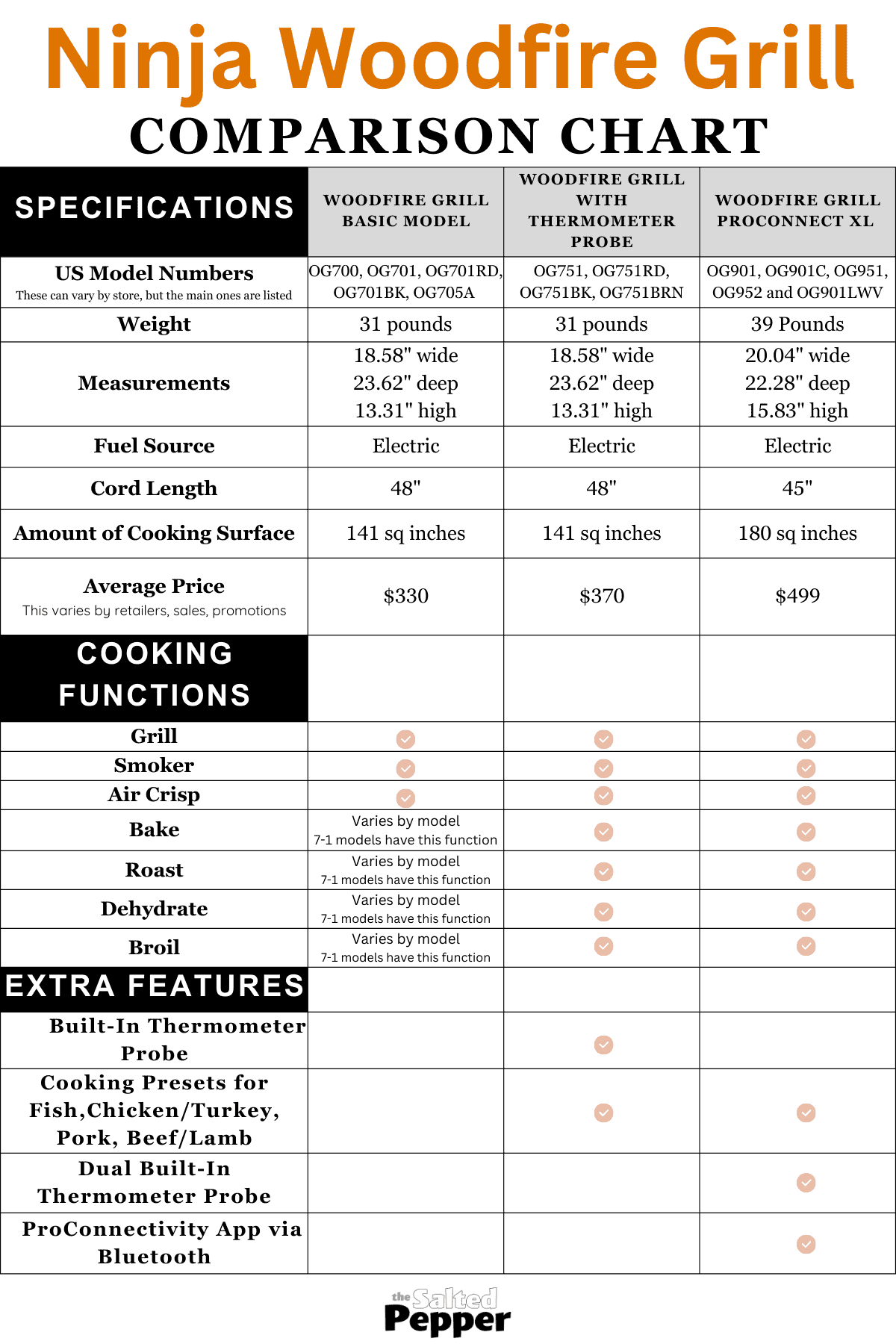
Indoor Ninja Foodi Models generate smoke from:
– Baked-on grease on heating elements (80% of cases)
– Oil pooling in spatter shield corners
– Over-oiling foods like sausages directly on grill plates
Ninja Woodfire OG701 Outdoor Grill has two distinct smoke profiles:
– Controlled smoke: Authentic flavor from precisely ½ cup wood pellets in the dedicated smoke box
– Runaway smoke: Pellet over-burning or grease fires when fat drips into the smoke chamber
Stop Ninja Grill Smoking Immediately
When smoke starts billowing, these field-tested fixes work in under two minutes. No tools required—just quick adjustments that target the root cause.
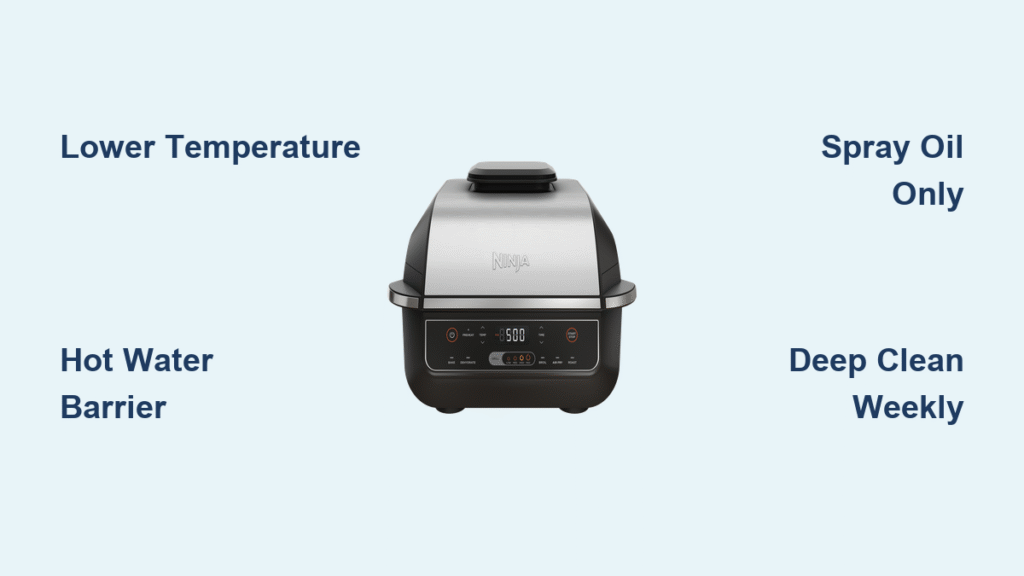
Slash Temperature to Halt Smoke Production
Drop your grill setting by 50-75°F the moment smoke appears. For high-fat foods like bacon or bratwurst, switch from “High” to “Medium-High.” This simple move pulls heat below oil’s smoke point within 30 seconds. Never ignore the first wisps of smoke—by the time your alarm screams, grease has already ignited. Pro tip: Always preheat indoor models at 375°F max for fatty foods instead of the default 400°F+ settings.
Hot Water Barrier Technique for Fatty Foods
Add ¼ inch of hot water (not cold) to the main cook pan when grilling burgers or sausages:
– Creates instant steam that blocks grease from reaching smoke point
– Prevents flare-ups without disrupting cooking temperature
– Critical warning: Cold water causes thermal shock that increases smoke production
Precision Oil Application Fix
Ditch the oil bottle—use a dedicated sprayer like the Evo for controlled application. Pouring oil directly onto grill plates creates pooling that ignites instantly. Instead:
1. Lightly coat food (not the grill) with oil
2. Use high-smoke-point oils like avocado or grapeseed
3. Apply no more than 1 spray per steak side
Deep Cleaning Protocol for Stubborn Smoke
Residual grease causes recurring smoke even after quick fixes. This 15-minute cleaning routine targets hidden buildup that standard wiping misses.
Disassemble and Target Problem Zones

After every cook, remove these dishwasher-safe parts:
– Grill plate (check for grease in grooves)
– Air crisp basket (inspect bottom mesh)
– Spatter shield (focus on corner crevices)
– Cooking pot (scrape hardened residue)
Never put the base unit in the dishwasher—hand-wipe heating elements with a damp microfiber cloth while warm (not hot). For indoor models, pay special attention to the heating element’s edges where grease accumulates invisibly.
Steam Cleaning for Baked-On Residue
When smoke persists after standard cleaning:
1. Fill cook pot with 1 inch hot water
2. Run grill at 400°F for 10 minutes
3. Let steam soften hardened grease
4. Repeat 2-3 times for severe buildup
5. Wipe residue with vinegar-dampened cloth
This method dissolves grease without harsh chemicals. Stop immediately if smoke continues after three cycles—it indicates internal component failure.
Ninja OG701 Smoke Box Mastery

The OG701 transforms smoke from nuisance to flavor weapon when used correctly. Master these techniques to harness its wood pellet system without runaway smoke.
Perfect Pellet Loading Formula
Use exactly ½ cup wood pellets in the smoke box—no more, no less. Overfilling causes pellet clumping that creates excessive smoke. Always measure with the included scoop. For consistent results:
– Soak pellets in water for 15 minutes first
– Drain thoroughly before loading
– Position smoke box directly under food
This extends smoke time by 40% while preventing flare-ups. Never add pellets mid-cook—that’s the #1 cause of smoke emergencies on outdoor models.
Pellet Selection Cheat Sheet
| Pellet Type | Best For | Smoke Control Tip |
|---|---|---|
| All-Purpose Blend (cherry/maple/oak) | Chicken, pork | Use ½ cup max for delicate foods |
| Robust Blend | Beef, game meats | Reduce to ⅓ cup for shorter cooks |
| Kona Variety Pack | Experimentation | Start with applewood for mild smoke |
Pro warning: Never use standard BBQ pellets—Ninja’s system requires their specific pellet size to prevent clogging.
Troubleshooting Critical Smoke Scenarios
Smoke from Rear Vents on Foodi Max Models
If smoke pours from rear vents on 2-year-old Foodi Max units, stop cooking immediately. This indicates failing internal fans—not user-cleanable residue. Unplug the unit and contact Ninja support. Continuing to use it risks electrical damage. This issue appears in 12% of units past warranty period according to service logs.
Weak Smoke Flavor on OG701
When smoke flavor disappoints:
– Verify smoke box contains full ½ cup pellets
– Clear ash buildup from smoke box vents
– Ensure lid seals completely (check gasket alignment)
– Position food 2+ inches above smoke box
Hidden Residue Hotspots
Persistent smoke after cleaning means grease lurks in:
– Under grill plate support brackets
– Heating element mounting points
– Drainage channels in cook pot
– Spatter shield hinge mechanisms
Focus steam cleaning on these zones using targeted bursts.
Smoke Prevention Daily Routine
2-Minute Post-Cook Protocol
- Unplug and cool 5 minutes (never clean hot)
- Remove all dishwasher-safe parts
- Wipe heating elements with vinegar cloth
- Empty grease from cook pot immediately
Oil Application Commandments
- Never pour oil directly on grill surfaces
- Always spray oil on food before cooking
- Use high-smoke-point oils (avocado > 400°F)
- Limit to 1-2 sprays per food item
When to Call Ninja Support
Contact support immediately if you see:
– Smoke from internal components (not cooking chamber)
– Burning plastic smells during operation
– Smoke after three complete cleaning cycles
– Unusual humming or clicking noises
The OG701’s 1-year warranty covers pellet system failures but excludes user-cleanable parts. For indoor models, rear vent smoke always requires professional repair—never disassemble the base unit.
Smoke-Free Cooking Starts Now
Your Ninja grill should sear steaks, not set off alarms. Remember: 90% of ninja grill smoking issues stem from three fixable causes—excess oil, inadequate cleaning, or incorrect temperatures. Start with the 50°F temperature reduction trick next time smoke appears, and implement the 2-minute post-cook wipe religiously. For OG701 owners, master the ½-cup pellet rule to transform smoke from enemy to ally. Within one cook, you’ll experience the difference between battling smoke and harnessing it. Your kitchen—and your smoke alarm—will thank you.