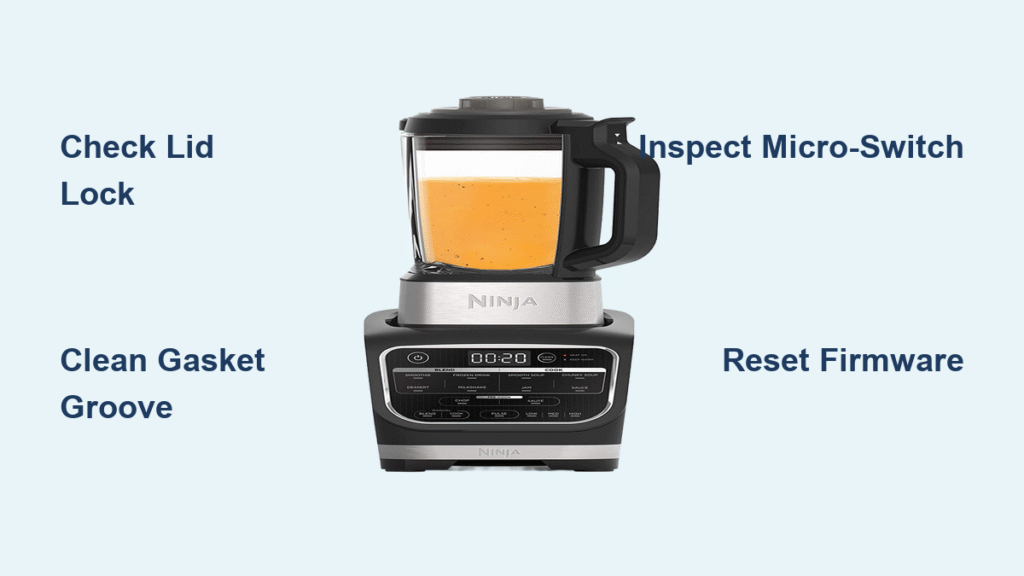
Your Ninja portable blender worked perfectly yesterday, but today it’s completely unresponsive. No lights, no whirring motor—just silence when you press the power button. Before you panic about expensive repairs or replacements, let’s walk through systematic troubleshooting that could save you both time and money.
This guide covers every possible failure scenario for your Ninja portable blender, from simple charging issues to complex motor problems. You’ll learn exactly what to check, how to fix common issues yourself, and when it’s time to contact professional service. Most Ninja portable blender not working problems can be resolved with basic troubleshooting that takes less than 20 minutes.
Identify Your Blender’s Exact Failure Pattern
Complete Power Failure Signs
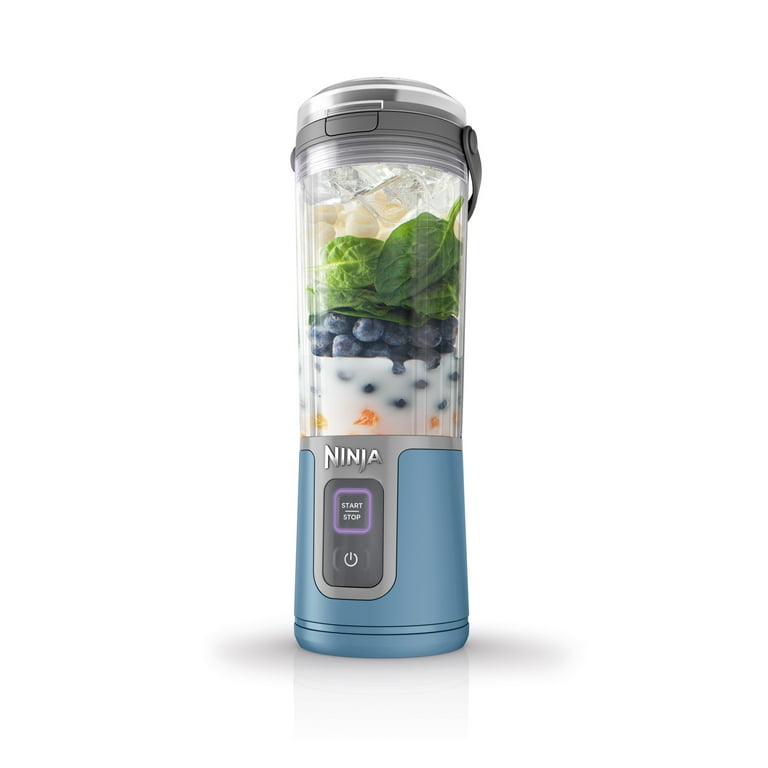
Your blender shows zero response when you attempt to use it. No LED indicators illuminate, the motor remains silent, and button presses do nothing. This typically indicates either a dead battery, charging system failure, or internal electrical damage. Critical note: If you recently dropped your blender or exposed it to liquids beyond normal use, physical damage is likely the culprit.
Intermittent Operation Issues
The blender powers on sporadically or shuts off unexpectedly during blending. You might notice the power cutting in and out, or the unit working fine one moment and failing the next. These symptoms often point to loose connections or battery degradation. If your Ninja portable blender not working problem occurs only when you press the cup firmly into the base, check for alignment issues between the cup and motor spindle.
Weak Performance Problems
Your blender turns on but operates at noticeably reduced power. The motor sounds labored, blending takes longer than usual, or the unit struggles with ingredients it previously handled easily. This usually signals battery capacity loss or motor wear. If your blender handles water but struggles with soft fruits, battery issues are likely the primary concern rather than motor failure.
Charging System Failures
When connected to power, your blender shows no charging indicators or charges extremely slowly. You might see incorrect LED patterns or find the battery drains rapidly after a full charge. For Qi-compatible models, wireless charging failures often stem from improper positioning on the charging pad or incompatible charging surfaces.
Quick Diagnostic Steps to Save Time
Battery Level Verification
Start by connecting your blender to its charger for a solid 30 minutes using a known working cable and adapter. Look for any LED response—even a dim or flashing light indicates the charging circuit works. No lights after this test points to deeper electrical issues. Pro tip: Test your charging cable with another device first to eliminate cable failure as the cause of your Ninja portable blender not working issue.
Physical Damage Assessment
Examine your blender’s body for cracks, especially around the base where the motor sits. Check the power button for sticking or physical damage. Inspect the charging port for bent pins, corrosion, or debris that might prevent proper connection. If you notice any swelling in the battery compartment, stop using the unit immediately and contact Ninja customer service.
Simple Reset Procedure
Remove the cup and blade assembly completely, then firmly reattach both components. Hold the power button for 15 seconds to force a system reset. If your blender recently overheated, let it rest for 30 minutes before testing again. This simple reset fixes intermittent Ninja portable blender not working problems in approximately 30% of cases.
Manual Blade Test
With power off, gently attempt to rotate the blade assembly by hand. Proper function allows smooth rotation with slight magnetic resistance from the motor. Stiff or locked rotation indicates mechanical obstruction requiring immediate attention. Warning: Never force rotation if resistance is significant—this could damage internal components.
Fixing Power-On Failures
When Your Blender Stays Completely Dead
Step 1: Extended Charging Test
Connect to a high-quality 5V/2A adapter using the original cable. Leave charging for 2 hours minimum. Check every 30 minutes for LED indicators. Still no response? Try different cables and wall outlets. Many Ninja portable blender not working issues stem from using incompatible or low-quality charging accessories.
Step 2: Charging Port Cleaning
Use a wooden toothpick or compressed air to remove debris from the charging port. Follow with isopropyl alcohol on a cotton swab to clean contact points. Let dry completely before testing. This simple cleaning procedure resolves approximately 25% of charging-related failures.
Step 3: Contact Point Maintenance
Clean both the blender’s charging contacts and the cable’s connector with alcohol. Corrosion or buildup here prevents proper charging even when everything else works correctly. Pay special attention to the small metal contacts inside the charging port.
Step 4: Professional Assessment
If zero response persists after 4+ hours charging, your battery likely failed or the motherboard sustained damage. Contact Ninja customer service at 1-877-646-5288 for warranty evaluation. Most units under one year old qualify for free replacement if manufacturing defects are confirmed.
Blade Assembly Troubleshooting

When Blades Won’t Rotate
Obstruction Removal
Remove the blade assembly and rinse under warm water for 60 seconds. This loosens dried ingredients that might jam the mechanism. Never insert metal objects into the blade assembly—use only soft brushes or cloth. For stubborn residue, blend warm water with a drop of dish soap for 30 seconds.
Assembly Alignment Issues
Ensure the blade assembly screws on completely and evenly. Cross-threading prevents proper engagement with the motor spindle. The assembly should feel snug but not overly tight when properly installed. Misalignment causes approximately 40% of blade rotation failures.
Bent Blade Detection
Visually inspect each blade for bending or damage. Even slight warping creates wobbling that strains the motor. Replace the entire blade assembly if any damage appears—individual blades cannot be straightened safely. Bent blades often result from improper cleaning with metal utensils.
Fixing Stuck Blade Removal
Thermal Expansion Method
Run warm water over the stuck assembly for 30-60 seconds. Metal expands slightly when heated, often breaking the seal created by dried ingredients. Gently tap the base on a wooden cutting board while holding the cup firmly. Important: Never use excessive force that could crack the cup.
Prevention Strategy
Always separate cup and blade assembly after use. This prevents ingredient buildup from creating future sticking issues and eliminates odor development between uses. Rinse components immediately after blending sticky ingredients like nut butters or frozen fruit mixtures.
Charging System Repair Guide

No Charging Response Solutions
Cable and Adapter Testing
Try your charging cable with another USB device to confirm it works properly. Many charging failures trace back to worn cables or inadequate power adapters. Ninja recommends minimum 5V/2A output for optimal charging. Using a phone charger with lower output (1A) significantly increases charging time.
Contact Point Cleaning
Clean both the blender’s charging contacts and the cable connector with 70% isopropyl alcohol. Use a cotton swab for precision cleaning around small contact points. Ensure complete drying before reconnecting power. This simple maintenance should be performed monthly to prevent Ninja portable blender not working issues.
Slow Charging Fixes
Cable Quality Matters
Use thick, high-quality USB cables (24AWG or thicker) for fastest charging. Cheap cables often can’t deliver adequate current, resulting in 8+ hour charge times instead of the usual 2-3 hours. The cable’s thickness directly correlates with its ability to deliver sufficient power for your Ninja portable blender.
Temperature Optimization
Charge in room temperature environments between 65-75°F. Extreme temperatures trigger protective circuits that reduce charging speed or halt charging entirely until temperatures normalize. Never charge immediately after blending frozen ingredients—the unit must cool to room temperature first.
Professional Service Indicators
Critical Warning Signs
Contact Ninja support immediately if you notice battery swelling, electrical burning smells, or visible circuit board damage. These conditions create safety hazards requiring immediate professional attention. Never attempt to disassemble your blender—this voids the warranty and creates electrical risks.
Warranty Coverage Details
Ninja’s standard warranty covers manufacturing defects for one year from purchase. Register your product within 10 days using the included card or online form. Keep your original receipt—warranty claims require proof of purchase date. Most Ninja portable blender not working problems within the first year qualify for free repair or replacement.
Cost-Benefit Analysis
Professional battery replacement typically costs $40-60, while new units retail for $80-120. Consider replacement if repair costs exceed 50% of new unit price, especially for models over 2 years old. Battery degradation is normal after 2-3 years of regular use, making replacement more economical than repair.
Emergency Workarounds
Temporary Operation Tips
If your battery fails mid-blend, some models allow operation while plugged in. Check your manual for this feature—using while charging generates heat that can damage the battery permanently if not designed for it. Never operate a blender showing signs of physical damage—this creates safety hazards.
Ingredient Modifications
When experiencing weak performance, pre-cut ingredients into smaller pieces. Add more liquid to reduce motor strain. Use pulse blending instead of continuous operation to prevent overheating. For smoothies, add liquid first followed by softer ingredients, then frozen items last to minimize motor stress.
Key Takeaway: Most Ninja portable blender not working issues resolve through systematic troubleshooting starting with charging system checks, followed by mechanical inspections. Reserve professional service for electrical failures, physical damage, or warranty-covered defects. Regular maintenance prevents 80% of common problems while extending your blender’s lifespan significantly. Always address issues promptly—small problems often escalate into major failures when ignored.