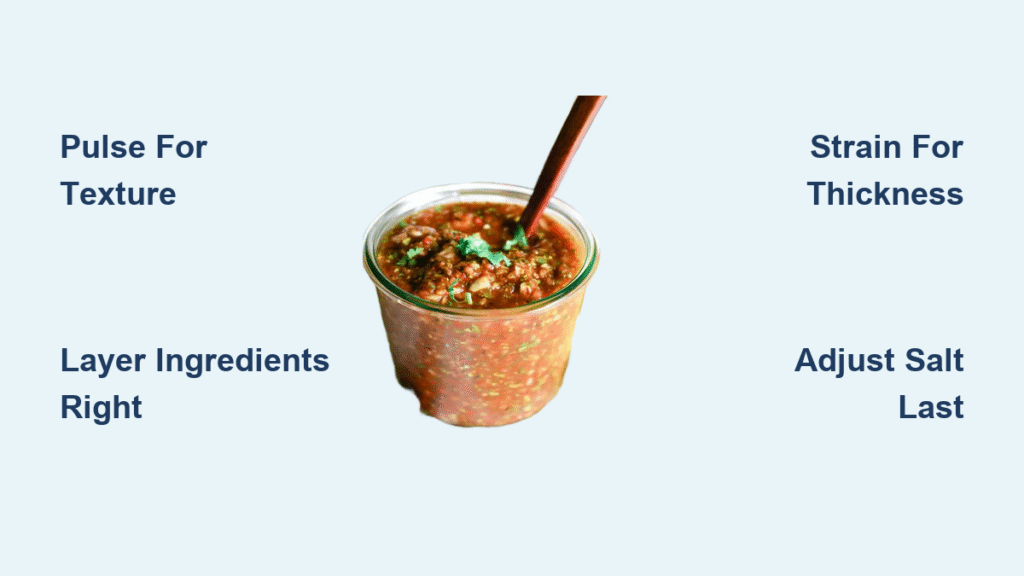
Your guests just arrived and the store-bought salsa tastes like… disappointment. That neon red jar sitting in your fridge won’t cut it, but you don’t have an hour to roast vegetables or chop endless ingredients. Here’s the reality check: restaurant-quality salsa is sitting in your Ninja blender right now, waiting to happen in under five minutes. No cooking, no complicated techniques—just fresh ingredients and the blade assembly that’s already sitting on your counter.
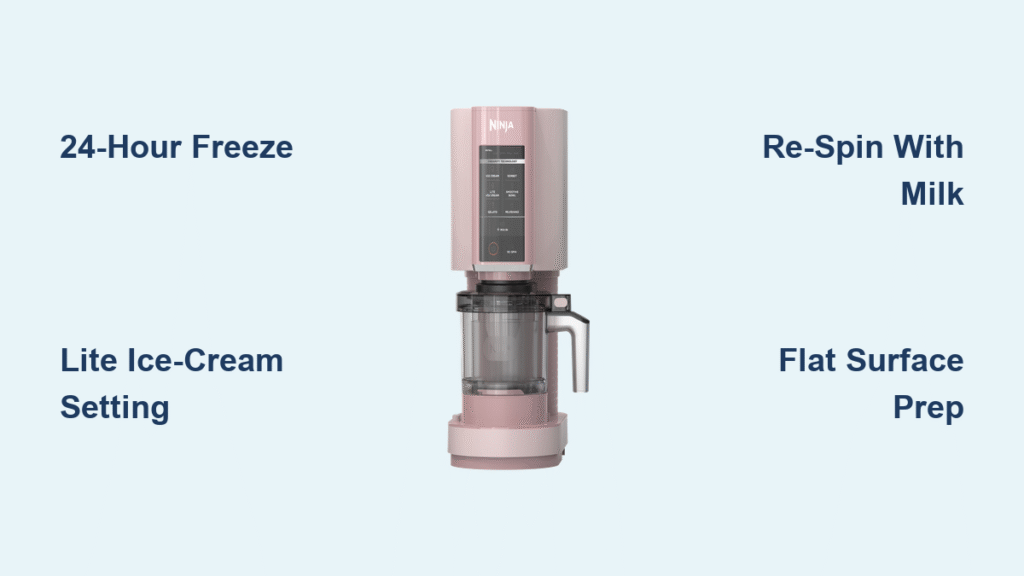
Whether you own a compact Ninja single-serve cup or the powerhouse 72-ounce pitcher, this guide transforms your appliance into the fastest salsa maker on the block. You’ll skip the tedious roasting and hand-chopping that traditional recipes demand while achieving that addictive texture only restaurants seem to master. The secret? Your Ninja’s stacked blades and high-torque motor handle tomato skins, pepper seeds, and fibrous cilantro stems without pre-processing.
Cold Ninja Blender Salsa: Skip the Stove, Skip the Wait
Why Raw Tomatoes Work Better Than You Think
Forget what you’ve heard about needing roasted tomatoes for flavor depth. The Ninja’s vortex action extracts maximum juice and flavor from raw ingredients instantly. Canned fire-roasted tomatoes actually deliver more consistent results than fresh in this no-cook method—they’re already peeled and seasoned, eliminating the #1 cause of bitter salsa (raw tomato seeds). For fresh tomatoes, stick to Romas—their dense flesh and lower water content prevent watery results.
Critical loading sequence for perfect texture:
1. Pour fresh lime juice into the pitcher first (prevents dry pockets at the blade base)
2. Add half your tomatoes, then layer onion, jalapeño, garlic, cilantro stems, cumin, and salt
3. Top with remaining tomatoes (this weight distribution crushes ingredients evenly)
4. Never add liquid last—that causes cavitation and uneven blending
Fix Your Salsa Texture in 3 Blending Steps
Too chunky? Pulse 3 times to break large pieces, then blend on LOW for exactly 12 seconds. The moment it reaches smooth-but-not-liquid consistency, stop. Over-blending incorporates air that thins your salsa within minutes.
Too watery? Strain through a fine-mesh sieve for 60 seconds—don’t skip this!—then return solids to the pitcher and pulse once more. Tomato paste works in emergencies: stir in 1 tablespoon to thicken without diluting flavor.
Bland flavor? This almost always means insufficient salt. Add ¼ teaspoon increments while pulsing until flavors “pop.” A pinch of sugar (⅛ tsp) also counters acidic tomatoes—taste after each adjustment.
Ninja Foodi Roasted Salsa: Charred Flavor in 20 Minutes Flat
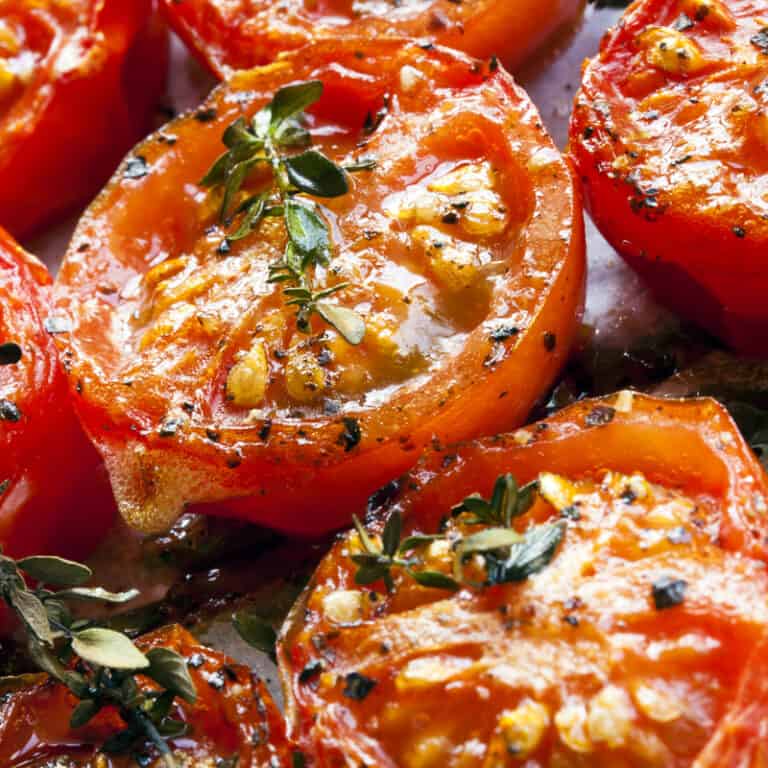
Air-Crisp Settings That Prevent Burnt Garlic
Your Ninja Foodi replicates traditional comal charring with zero babysitting. The key is strategic vegetable placement:
- Tomatoes and peppers go directly on the air-crisp rack (they need direct heat)
- Onion rings and unpeeled garlic cloves sit around the edges (garlic burns fast!)
- Poblano peppers stay whole—they add earthy depth without overwhelming heat
Set your Foodi to 400°F Air-Crisp for 20 minutes total. At the 10-minute mark, use tongs to pull out garlic cloves (they’ll be soft and caramelized inside). Peppers should blister dramatically, and tomatoes will collapse slightly with blackened spots. No flipping required—the circulating heat chars evenly.
Why Roasting Beats Stovetop Methods
Traditional recipes require constant flipping over open flame, but the Foodi’s enclosed environment traps vegetable steam, creating natural steam-roasting that intensifies sweetness. The magic happens when you transfer scorching-hot vegetables directly into your Ninja pitcher—the residual heat “cooks” the cilantro and lime juice as you blend, releasing volatile flavor compounds you’d miss with cooled ingredients. This is why your salsa smells like a Mexican kitchen within seconds.
Model-Specific Ninja Salsa Hacks

Single-Serve Cup Success Secrets
That tiny 18-ounce cup makes perfect double-batches for two. Pulse technique is non-negotiable here:
- Load ingredients in reverse order (heaviest on top)
- Pulse 8 times at 3-second intervals
- Scrape sides with a silicone spatula once
- Pulse 3 more times
Continuous blending in small cups creates vortex holes that leave chunks untouched. The pulse method ensures every fiber gets processed without aerating the salsa. Pro tip: Make extra and freeze portions in ice cube trays—drop one cube into scrambled eggs for instant flavor.
72-Ounce Pitcher Power Moves
For party-sized batches, never exceed the MAX fill line. Overfilling causes uneven texture and potential spills. Triple the cold salsa recipe (1 can tomatoes → 3 cans), but add salt incrementally—canned tomatoes vary wildly in sodium. Use the “Dip/Salsa” preset if available, or blend on LOW for 15 seconds max. Stop blending the instant you see consistent texture—that extra 2 seconds turns restaurant-style into soup.
Troubleshooting Ninja Salsa Nightmares
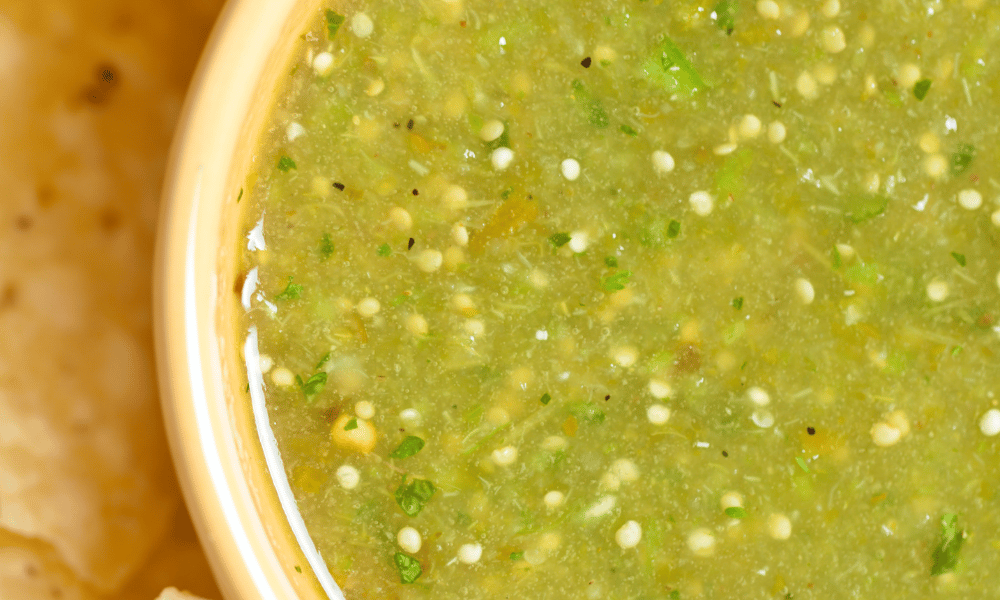
Why Your Salsa Turns Bitter (And the 5-Second Fix)
Bitterness almost always comes from canned tomato seeds and gel. Fire-roasted varieties minimize this, but here’s the emergency fix: blend 1 tablespoon of fresh lime juice into your finished salsa. The citric acid neutralizes bitterness instantly without making it sour. For future batches, strain seeds before adding tomatoes—just dump the can into a sieve and press with a spoon.
The Color-Changing Mystery Solved
If your vibrant red salsa darkens to burnt orange after refrigeration, don’t panic. This is natural oxidation—not spoilage. The color deepens as flavors meld, peaking at 24 hours. To preserve bright color for parties:
– Stir in 1 teaspoon fresh lime juice right before serving
– Store in glass containers (plastic leaches color)
– Keep a spoonful of undrained tomatoes on top as a “flavor shield”
Flavor Explosions Beyond Basic Salsa
Creamy Avocado Ninja Twist
Skip the separate guacamole—blend ½ ripe avocado directly into your salsa for rich, emulsified texture that won’t separate. The Ninja’s blades break down avocado fibers completely, creating a velvety base that clings to chips. Add it after your initial blend to prevent over-processing: pulse 2 times just to incorporate. This version must be eaten within 24 hours (avocado oxidizes faster).
Next-Level Menu Integrations
Your Ninja salsa isn’t just for chips—it’s a flavor multiplier:
- Breakfast bomb: Swirl into scrambled eggs during the last 30 seconds of cooking
- Soup accelerator: Use 1 cup as the base for instant tortilla soup (add broth and simmer 10 mins)
- Rice revival: Mix ⅓ cup into cold rice with black beans for Spanish rice in 5 minutes
- Protein transformer: Marinate chicken breasts overnight in salsa—grill for chipotle-style flavor
Storage Rules That Prevent Waste
Freezer Hacks for Fresh-Tasting Salsa
Only freeze canned-tomato salsa—fresh tomato versions turn to watery mush. Portion into ½-cup silicone molds (perfect for single servings), then pop out cubes and store in freezer bags. Thaw overnight in the fridge for chip-ready salsa, or drop frozen cubes directly into:
- Simmering chili (adds instant depth)
- Baked potato toppings (melts into creamy sauce)
- Morning omelets (no extra prep)
Critical: Leave ½-inch headspace in containers—salsa expands when frozen.
Final Note: Your Ninja blender just became your secret weapon for fresh salsa that beats restaurant versions. Start with the cold blender method for instant gratification, then experiment with roasted variations as you gain confidence. The 5-minute investment pays off for days of fresh flavor—no neon jar required. Remember: pulse for control, layer ingredients strategically, and always adjust salt after blending. One batch proves why “ninja salsa recipe” searches are exploding—this isn’t just convenience, it’s culinary cheating.