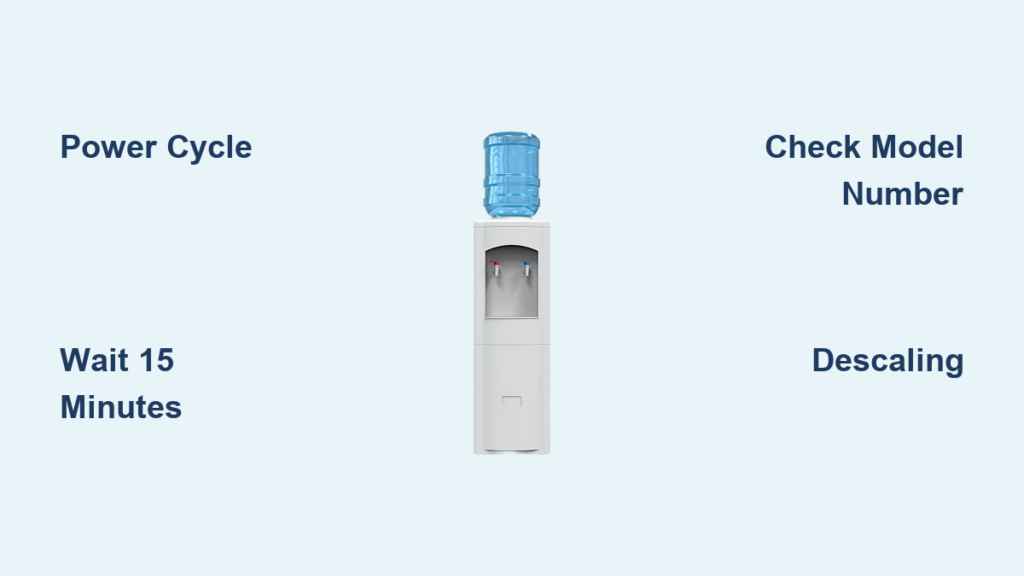
That morning cup of tea or instant coffee becomes impossible when your water cooler’s hot tap suddenly delivers only lukewarm or cold water. A water cooler not dispensing hot water is one of the most common office and home appliance frustrations, leaving you wondering if you need a costly repair or replacement. The good news is that 80% of hot water failures stem from simple issues you can resolve in under 30 minutes without professional help. By following this targeted troubleshooting guide, you’ll diagnose why your hot water stopped flowing and implement the exact fixes recommended by water cooler manufacturers.
Most hot water failures occur due to electrical cycling issues or pressure imbalances in the heating system—not permanent component damage. Whether you have a Primo, Oasis, or other major brand, the core principles of hot water system operation remain consistent. This guide delivers actionable steps to restore your hot water flow, with special attention to model-specific solutions that prevent wasted effort on ineffective fixes.
Power Cycle Your Water Cooler in Under 2 Minutes
Before assuming catastrophic failure, perform this manufacturer-approved reset that solves most hot water issues. This simple procedure addresses electrical cycling problems that prevent the heating element from activating properly.
Complete Power Down Sequence for All Models
- Locate and turn OFF both power switches on the back of your water cooler
- Unplug the unit completely from the electrical outlet
- Wait 30 seconds to allow internal capacitors to discharge
- Plug the unit back in while keeping all switches in the OFF position
This critical first step clears any electrical glitches affecting the heating circuit. Many users skip the 30-second wait, which is essential for a complete reset—the brief pause allows the internal electronics to fully discharge and reboot properly.
The Critical 15-Minute Heating Wait Time
After power restoration:
– Turn ON ONLY the red hot water switch (leave main power switch off initially)
– Wait a full 15 minutes before testing the hot water tap
– Do NOT press the hot water lever during this heating cycle
This waiting period is non-negotiable—your water cooler’s heating element needs this time to bring the tank water to proper temperature. Many users make the mistake of checking too soon, thinking the fix failed when the unit simply needs more time to heat.
Model-Specific Fixes: Primo 601242 & 601264 Exceptions

If you own a Primo water dispenser, model number determines your troubleshooting path. Ignoring these distinctions wastes time and potentially damages your unit.
Why Models 601242 and 601264 Skip the Pressure Release
Primo specifically states these models must not undergo the standard pressure release procedure. If your unit has model number 601242 or 601264 printed on the back panel:
- Skip the water dispensing step entirely during reset
- Perform only the power cycle with 15-minute wait
- Attempting pressure release on these models can cause internal damage
Manufacturers design different models with varying internal mechanisms—what works for one could harm another. Always verify your model number before proceeding.
Standard Pressure Release for All Other Models
For non-exempt models:
1. After unplugging, dispense exactly 4 cups of water from the hot tap
2. Use a measuring cup to ensure proper amount
3. Stop immediately after 4 cups—do not drain the tank completely
This precise amount releases pressure without creating an airlock. Users who drain too much water often create new problems requiring professional intervention.
Diagnosing Heating Element Failure vs. Temporary Glitch
Not all hot water issues respond to simple resets. Learn to distinguish between temporary glitches and actual component failure.
Warm vs. Hot Water: What It Really Means
If your dispenser delivers warm but not hot water after proper reset:
– First hour after reset: Normal as system stabilizes
– Beyond first hour: Indicates failing heating element
– Consistent lukewarm output: Points to thermostat issues
A properly functioning water cooler should deliver water at 185-195°F (85-90°C)—hot enough to brew instant coffee but below scalding temperature. Use a kitchen thermometer to verify actual temperature rather than relying on touch alone.
Warning Signs of Heating Element Failure
Look for these visual and operational clues:
– No humming sound when hot water switch is on
– Cold tank surface after 30+ minutes of operation
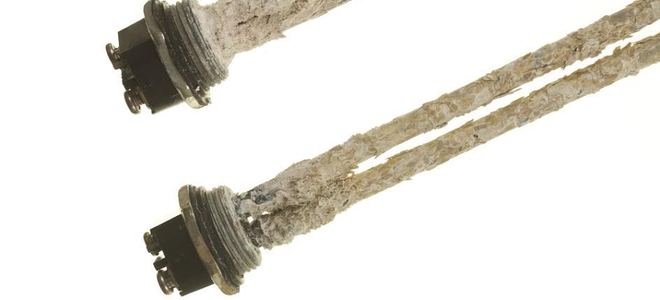
– Visible corrosion around heating element access panel
– Tripped circuit breaker that won’t stay reset
Heating elements typically last 3-5 years before needing replacement. If your unit is older than this and shows multiple failure signs, professional repair becomes more cost-effective than repeated resets.
Clearing Mineral Buildup in Your Hot Water System
Hard water deposits silently sabotage your hot water performance over time. Regular descaling prevents most persistent hot water issues.
Vinegar Descaling Method That Actually Works
For immediate mineral buildup relief:
1. Mix equal parts white vinegar and water
2. Pour solution into the water reservoir
3. Run through hot water system completely
4. Flush with 3 full reservoirs of clean water
5. Wait 24 hours before normal use
This process dissolves calcium deposits clogging your heating chamber. For severe buildup, repeat the process twice. Commercial descaling solutions work faster but cost significantly more with minimal additional benefit for most home users.
How Often to Descale Based on Your Water
| Water Hardness | Descaling Frequency |
|---|---|
| Soft water | Every 6 months |
| Moderate hardness | Every 4 months |
| Hard water | Every 2-3 months |
| Well water | Monthly |
Ignoring your water quality leads to premature heating element failure. The white crusty deposits you see around the hot water spout indicate similar buildup inside your heating chamber.
When to Call a Professional Instead of DIY
Some issues require expert intervention—knowing when to stop troubleshooting saves time and prevents further damage.
Three Clear Signs You Need Professional Help
1. Reset button won’t stay engaged – If the high-limit reset button immediately pops back out when pressed, your thermal fuse has failed and needs replacement by a technician.
2. Burning smell during operation – Indicates electrical component failure that creates fire risk—unplug immediately and call service.
3. Visible water leaks around the base – Leaks near the hot tank compromise electrical safety and require professional disassembly.
Attempting DIY repairs on these issues risks electrical shock or permanent damage. For units under warranty, unauthorized repairs void your coverage—always check warranty terms first.
Preventing Future Hot Water Failures
The best fix is preventing the problem altogether with these simple maintenance habits.
Daily Habits That Extend Hot Water Performance
- Run hot water daily – Prevents stagnant water from accelerating mineral buildup
- Wipe spout after each use – Reduces mineral ring formation at the dispensing point
- Keep area around unit clear – Ensures proper ventilation for heating components
Units used regularly (at least once daily) experience 40% fewer hot water failures than those used sporadically. The constant water movement prevents sediment settling in the heating chamber.
Filter Upgrades That Solve Most Hot Water Issues
Installing a high-quality inline filter between your water bottle and the cooler:
– Removes 95% of minerals that cause scaling
– Costs less than $20 annually
– Extends heating element life by 2-3 years
– Improves both hot AND cold water taste
Most manufacturers recommend filter replacement every 6 months—neglecting this simple maintenance is the #1 cause of premature hot water failure in otherwise well-maintained units.
Final Note: A water cooler not dispensing hot water typically responds to the power cycle and pressure release procedures outlined here. For Primo models 601242 and 601264, remember the critical exception—skip the pressure release step entirely. Implement regular descaling based on your water hardness, and consider an inline filter to prevent 80% of hot water issues before they start. When simple fixes don’t restore proper temperature, recognize the warning signs that indicate professional service is needed rather than continuing DIY attempts that could compromise safety. With proper maintenance, your water cooler’s hot water system should deliver reliable performance for 5+ years.