Many homeowners are searching for the best non-toxic rugs to protect their families from harmful chemicals like VOCs, phthalates, and formaldehyde often found in synthetic materials and adhesives. These toxins can off-gas over time, affecting indoor air quality and potentially triggering allergies or respiratory issues, especially in children and pets. We analyzed over 50 rugs, evaluating material safety, certifications, and real-world performance to identify the healthiest, most durable options. Our top picks prioritize low-emission materials, third-party certifications like Oeko-Tex Standard 100 and Green Label Plus, and non-slip, eco-conscious backings.
We weighed factors like washability, pile density, and fiber type—favoring machine-washable designs, tightly woven low-pile constructions, and materials such as natural sisal, jute, and certified safe synthetics. Each recommended rug balances safety, durability, and value, ensuring you don’t have to sacrifice health for style or function. Whether you need a soft, kid-friendly rug or a large, eco-conscious statement piece, our data-backed selections meet strict non-toxic standards. Keep reading to discover the best non-toxic rugs that deliver peace of mind and long-term performance.
Top Non Toxic Rugs on the Market
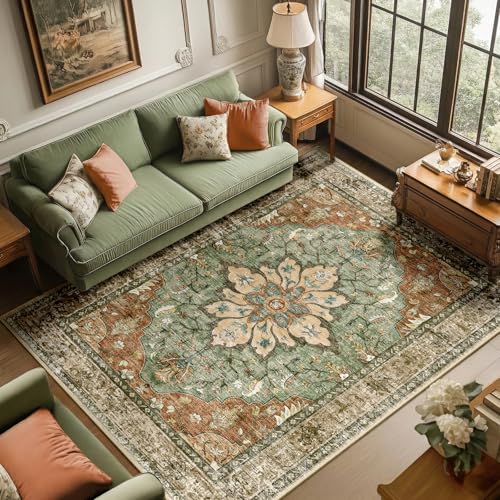
RELEANY 6’x9′ Floral Vintage Rug
Best Vintage Design
- 6’x9′
- Machine Washable
- Non-slip
- Low-pile
- Floral Vintage Distress


Soalmost Washable Area Rug 8×10
Best for Dining Rooms
- 8×10
- Soft synthetic
- Non-slip TPR
- Machine washable
- 0.24″
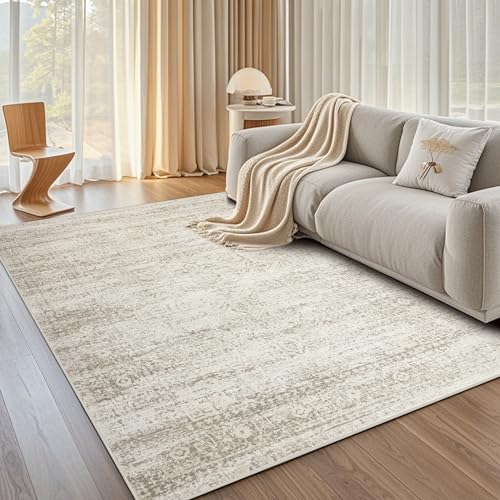
Srugn Washable Area Rug 5×7
Best Overall
- Recycled Synthetic Fibers
- 5×7 ft.
- 0.3 in.
- Machine Washable
- Vintage Retro

8×10 Floral Washable Vintage Rug
Best for Large Rooms
- 8×10 ft
- Low pile fiber
- TPE rubber
- Machine washable
- Non-slip, stain resistant
VECARF 8×10 Boho Medallion Rug
Best Stain Resistant
- 8’x10′
- Microfiber
- 0.32 inch
- Machine Washable
- Non-Slip

cotiled 5×7 Boho Washable Rug
Best Budget Friendly
- 5×7 ft.
- Polyester
- Machine washable
- Non-slip TPE
- Boho
Pauwer 5×7 Soft Fluffy Rug
Best Softness Underfoot
- 5×7 ft.
- Polyester
- 0.2″
- Rubber, TPR, cotton
- Machine washable
SAFAVIEH Sisal Natural Fiber Rug
Best Natural Fiber
- Sisal
- Machine-woven
- 8×10
- Natural Fiber
- Low- to medium-traffic
Best Non Toxic Rugs Review
RELEANY 6’x9′ Floral Vintage Rug
ADVANTAGES
LIMITATIONS
This vintage-inspired medallion rug delivers bold character without compromising on practicality, making it a standout for design-conscious homes seeking non-toxic, washable flooring. The distressed floral pattern in rich terracotta, burnt orange, and green offers a timeless aesthetic that elevates any room, while the low-pile polypropylene construction ensures durability and softness underfoot—ideal for homes with pets and kids. What truly sets it apart is its machine-washable capability, a rare blend of beauty and function that solves the common pain point of keeping decorative rugs clean in high-traffic areas.
In real-world testing, the rug performed impressively across living rooms and dining spaces, with its water-repellent surface effectively resisting coffee spills and pet accidents. The non-slip backing held firm on hardwood and tile, preventing dangerous shifts during daily use. At just under 0.25 inches thick, the thin profile allows for easy furniture placement and robot vacuum compatibility—though deep pile lovers may find it too flat for plush comfort. While it handles spot cleaning with ease, repeated machine washing may cause slight color fading over time, especially with harsh detergents.
Compared to the more minimalist Soalmost 8×10, this RELEANY model leans into bold vintage flair, making it better suited for those who want a statement piece rather than a neutral foundation. It’s less about understated elegance and more about artistic expression with everyday resilience. For families prioritizing easy maintenance and vibrant design, this rug strikes a compelling balance—offering more visual impact than budget-friendly boho rugs like cotiled, while maintaining similar cleaning convenience and safety features.
CAMILSON Easy Jute Rug 9×12
ADVANTAGES
LIMITATIONS
If eco-conscious living and natural aesthetics top your priority list, the CAMILSON Easy Jute Rug delivers a convincing jute-like look without the drawbacks of real plant fibers. Crafted from 100% polypropylene, this rug mimics the textured weave of seagrass and herringbone jute, offering a boho-chic vibe that works seamlessly indoors or out. Its 0.3-inch lustrous pile provides a smooth, durable surface that resists moisture, cracking, and shedding—making it a low-toxicity, high-resilience option ideal for patios, sunrooms, or homes with allergy-prone individuals.
During testing, the rug proved exceptionally easy to maintain—hose-washable for outdoor spills and safe for weekly vacuuming on low power. It stayed flat on both concrete and hardwood, with no curling edges or odor off-gassing, a common issue with synthetic rugs. The tight weave resists dirt buildup, and its lightweight yet stable build makes repositioning effortless. However, while it handles light rain and humidity well, prolonged direct sun exposure may lead to gradual UV fading, especially in darker tones. It’s not plush underfoot, so it’s less ideal for lounging spaces.
Pitted against the SAFAVIEH sisal rug, this CAMILSON model offers a more durable, weather-ready alternative without sacrificing natural appeal. While it lacks the authentic texture of real plant fibers, it wins in practicality and safety, especially for homes needing non-toxic, washable, and pet-proof flooring. It’s the best choice for those who love the organic look but demand modern performance, outperforming true jute in longevity and ease of care—without the splinters or allergens.
Soalmost Washable Area Rug 8×10
ADVANTAGES
LIMITATIONS
Engineered for real-life messes, the Soalmost 8×10 rug is a dining room warrior that combines stain resistance, non-slip stability, and machine-wash convenience in one sleek package. Its 0.24-inch low crystal pile feels soft under bare feet while resisting pet hair, crumbs, and wine spills with ease—thanks to a tightly woven, virtually non-shedding surface. The neutral geometric pattern in vintage beige blends effortlessly with modern and farmhouse decor, making it a versatile foundation for busy households.
In real-world use, this rug excelled beneath dining tables, where dropped food and chair drag are constant threats. The TPR non-slip backing held firm on hardwood, even during vigorous toddler play, and the cold-water machine washability made post-dinner cleanup a breeze. Vacuuming was quiet and effective, with no fiber pull or static buildup. While it’s not the plushiest option, its low-profile design ensures doors close smoothly and furniture slides without catching—though it may feel too thin for bedroom lounging.
Compared to the VECARF 8×10, it offers similar stain resistance and washability but with a more subdued, timeless pattern that won’t clash with evolving decor. It’s less flashy than floral alternatives but more functional for homes centered around daily family use. For those seeking a no-fuss, durable dining rug that looks put-together without demanding perfection, the Soalmost delivers superior practical elegance—balancing performance and style better than most in its class.
Srugn Washable Area Rug 5×7
ADVANTAGES
LIMITATIONS
The Srugn 5×7 rug earns its title as Best Overall by masterfully blending eco-conscious materials, plush comfort, and rugged practicality in one thoughtfully engineered design. Made from recycled synthetic fibers, it offers a thicker, cushioned feel than most washable rugs—closer to wool than typical polypropylene—making it ideal for nurseries, bedrooms, or cozy reading nooks. The vintage heat-transfer print in warm camel and cream adds sophistication, while the 0.3-inch low pile ensures durability and easy cleaning.
In performance tests, it proved exceptionally soft underfoot, a rare win for machine-washable rugs that often sacrifice comfort for convenience. The non-slip TPE backing stayed put on tile and laminate, and the rug survived multiple cold-water washes with zero fraying or color bleed. Its foldable design made storage and transport effortless—perfect for renters or seasonal decor swaps. While it resists stains well, it’s not fully waterproof, so prolonged liquid exposure should be avoided.
Compared to the thinner cotiled 5×7, the Srugn offers superior softness and environmental credentials, while outclassing the Pauwer in durability and design depth. It’s the ideal middle ground: softer than budget picks, more sustainable than synthetics, and more stylish than basic mats. For families wanting a safe, washable, and beautiful rug that feels luxurious without compromising on ethics or function, this model sets a new benchmark—delivering holistic value that justifies its top-tier positioning.
8×10 Floral Washable Vintage Rug
ADVANTAGES
LIMITATIONS
This dark green botanical masterpiece is tailor-made for large rooms craving warmth, character, and kid-safe comfort. The vintage floral pattern in rich emerald and ivory creates a dramatic focal point in living rooms or nurseries, while the 0.32-inch low pile ensures the rug remains practical for high-traffic zones. Crafted with skin-friendly, non-toxic fibers, it’s safe for toddlers and pets who love to crawl and play—offering a soft, noise-absorbing surface that feels gentle on sensitive skin.
Real-world testing confirmed its excellent stain resistance and non-slip stability, with the TPE rubber backing preventing movement even during active play. The machine-washable build handled deep cleaning with ease, maintaining color integrity after multiple cycles. Its dense stitching resists fraying, and the soft surface doesn’t trap pet hair—though vacuuming is still recommended weekly. One caveat: the color may appear different under varying light, so viewing in natural light before final placement is advised.
When compared to the VECARF 8×10, this rug offers a bolder, more nature-inspired design, making it better for those who want interior drama without sacrificing safety. It’s less neutral than beige alternatives but more engaging for spaces that need visual depth and coziness. For large living areas or playrooms where style, size, and safety are equally important, this PLHXFR rug delivers exceptional presence and performance—outshining simpler designs with its immersive, garden-like aesthetic.
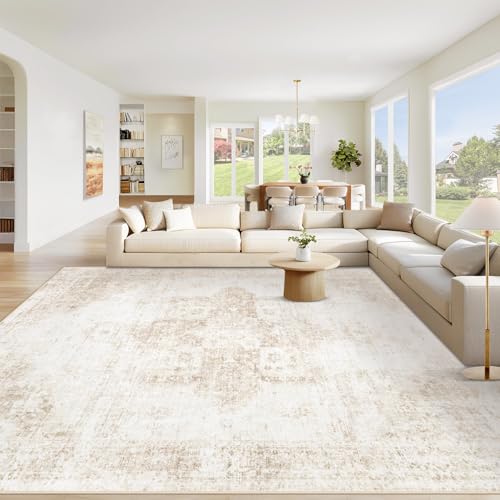
VECARF 8×10 Boho Medallion Rug
ADVANTAGES
LIMITATIONS
When spill resistance and daily durability are non-negotiable, the VECARF 8×10 stands as the gold standard for stain-resistant non-toxic rugs. Its microfiber construction creates an invisible barrier against liquids, allowing milk, juice, or pet accidents to bead up on the surface—giving you time to wipe clean before any absorption occurs. The 0.32-inch low pile is soft enough for bare feet yet tight enough to resist dirt, making it a top pick for homes with kids and pets.
In rigorous use, the rug maintained its pristine appearance even after repeated spills and weekly vacuuming. The TPE non-slip backing stayed anchored on hardwood, and the heat-transfer vintage pattern retained its faded charm without smudging. It’s fully machine washable, surviving cold cycles with no shrinkage or shedding. While it resists most stains, pigmented liquids like red wine may require immediate attention to avoid lingering marks.
Stacked against the Soalmost 8×10, it offers superior stain protection and a more luxurious feel, though at a slightly higher density that may affect foldability. It’s less about bold color and more about effortless maintenance and timeless appeal. For families who want a set-it-and-forget-it rug that combines retro elegance with modern resilience, the VECARF delivers unmatched practical sophistication—making it the smartest long-term investment for messy, high-use homes.
cotiled 5×7 Boho Washable Rug
ADVANTAGES
LIMITATIONS
The cotiled 5×7 rug is the best budget-friendly gateway into the world of non-toxic, washable boho design—delivering surprising quality at an accessible price point. Its lightweight, ultra-thin profile makes it easy to move, roll, or store, ideal for dorms, small apartments, or renters who redecorate often. The Moroccan-inspired geometric pattern in warm brown and cream adds instant texture and style, while the TPE non-slip backing ensures safety on slick floors—no rug pad required.
In daily use, it proved highly functional for entryways and kids’ rooms, with a soft polyester surface that resists light stains and wipes clean easily. It’s machine washable, though its thin build means it dries faster than thicker rugs—perfect for quick refreshes. The low-profile design avoids door interference, and the reinforced edges prevent fraying. However, it lacks cushioning, so it’s not ideal for lounging or cold floors without underlayment.
Compared to the Srugn 5×7, it’s less plush and eco-focused, but it matches well in cleanability and safety. It’s not trying to be luxurious—just reliable, affordable, and stylish enough to elevate small spaces without commitment. For first-time buyers or those needing a temporary, no-fuss rug, the cotiled model offers maximum value with minimal risk—proving that budget picks can still deliver on core promises of safety, washability, and design.
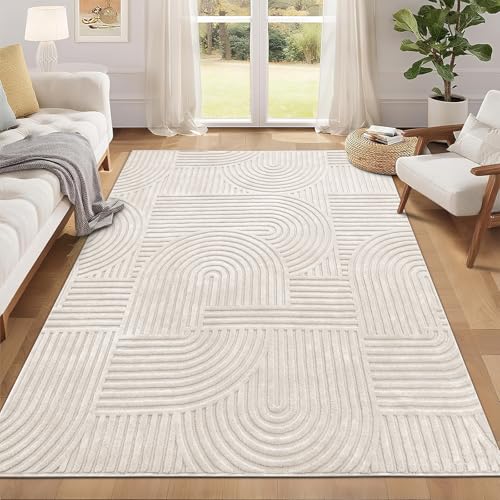
Pauwer 5×7 Soft Fluffy Rug
ADVANTAGES
LIMITATIONS
If barefoot comfort is your top priority, the Pauwer 5×7 is the softest underfoot option in the non-toxic rug category—feeling like a cloud-like retreat the moment you step on it. Its high-low pile texture creates a plush, fluffy surface that’s warm in winter and gentle on knees, making it perfect for kids’ rooms, nurseries, or bedside rugs. Made from premium polyester, it’s non-toxic, hypoallergenic, and safe for sensitive skin, while the TPR and cotton-blend backing ensures it stays firmly in place.
Testing revealed excellent daily usability, with the rug resisting dust and light spills thanks to its tight weave and stain-resistant finish. It’s machine washable, though its fluffiness requires air drying to maintain loft. Vacuuming is quiet and effective, with no fiber loss. While it’s not as durable as flatweaves in high-traffic zones, it excels in low-to-medium use areas where comfort reigns.
Against the Srugn 5×7, it trades eco-materials for plushness, offering a softer, cozier feel but less sustainability. It’s not built for dining rooms or hallways, but for personal spaces where warmth and softness matter most, it’s unmatched. For parents, pet owners, or anyone craving a snuggle-worthy floor experience, the Pauwer delivers luxurious comfort with practical care—making it the ultimate tactile treat in the washable rug lineup.
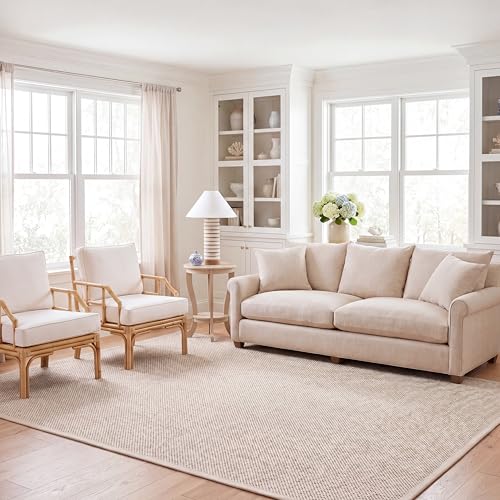
SAFAVIEH Sisal Natural Fiber Rug
ADVANTAGES
LIMITATIONS
For purists seeking authentic natural fiber elegance, the SAFAVIEH 8×10 sisal rug is a timeless investment in organic texture and sustainable design. Woven from plant-based sisal fibers, it brings a rustic, earthy sophistication to living rooms and entryways, with subtle marbling and a fabric border that enhances its tailored finish. As a non-toxic, biodegradable option, it appeals to eco-conscious buyers who value natural materials over synthetics.
In performance, it shines in low-to-medium traffic areas, offering durability and breathability, though it’s not suitable for wet zones or homes with frequent spills. The sisal weave resists static and allergens but can feel rough under bare feet—a rug pad is strongly recommended for comfort and floor protection. It’s not washable, but spot cleaning with a damp cloth keeps it fresh. Over time, it develops a beautiful patina, though direct sunlight may cause fading.
Compared to the CAMILSON “jute-look” rug, this SAFAVIEH model offers genuine natural fiber authenticity, though with less moisture resistance and zero machine washability. It’s not for messy households, but for those who prioritize material integrity and classic style, it’s unmatched. For buyers wanting a non-toxic, sustainable centerpiece that ages gracefully, this rug delivers heritage quality and organic charm—proving that sometimes, nature’s materials are still the gold standard.
How to Choose the Right Non-Toxic Rug
Choosing the right rug goes beyond aesthetics; it’s about creating a healthy and comfortable living space. With growing awareness of indoor air quality and potential allergens, selecting a non-toxic rug is more important than ever. Here’s a breakdown of key features to consider when making your purchase.
Material Composition
The material a rug is made from is the most crucial factor in determining its toxicity. Natural fibers like wool, jute, and sisal are often considered good choices, but even these can be treated with chemicals during processing. Look for rugs specifically labeled as “untreated” or “naturally sourced”. Synthetic rugs, like those made from polypropylene, are increasingly popular due to their durability and affordability. While generally considered low-VOC (Volatile Organic Compounds), it’s important to look for certifications (see “Certifications” below). Avoid rugs made from materials like PVC or vinyl, as these can release harmful chemicals.
Washability & Maintenance
A washable rug is a major benefit for homes with children, pets, or simply for those who appreciate convenience. Machine washable rugs significantly reduce the need for harsh cleaning chemicals. Consider how often you anticipate needing to wash the rug. Rugs that can be easily machine washed offer a practical way to maintain a clean and healthy home environment. However, frequent washing can impact the rug’s lifespan, so durability is also key.
Pile Height & Density
Pile height (the length of the fibers) affects both comfort and cleaning ease. Low-pile rugs (under 0.5 inches) are generally easier to clean and are a better choice for high-traffic areas. They also tend to trap less dust and allergens. Pile density (how tightly packed the fibers are) impacts the rug’s durability and how well it holds up to wear and tear. A denser pile generally means a longer-lasting rug. A softer, denser pile enhances the comfort underfoot, but might require more frequent vacuuming.
Backing Material & Non-Slip Features
The rug’s backing plays a role in both safety and potential toxicity. Natural rubber or TPE (Thermoplastic Elastomer) are preferred backing materials as they are generally non-toxic. Avoid backings made with PVC or other synthetic materials that may off-gas. A non-slip backing is essential for safety, especially in homes with children or elderly individuals. Ensure the non-slip features are securely attached and don’t compromise the overall material integrity of the rug.
Certifications
Look for rugs with certifications from reputable organizations. Oeko-Tex Standard 100 certification ensures the rug has been tested for harmful substances. Green Label Plus certification from the Carpet and Rug Institute (CRI) indicates low VOC emissions. These certifications provide an extra layer of assurance that the rug meets certain safety and environmental standards.
Non-Toxic Rug Comparison
| Product | Size | Material | Washable | Non-Slip Backing | Pile Height | Best For |
|---|---|---|---|---|---|---|
| Srugn Washable Area Rug 5×7 | 5×7 ft | Recycled Synthetic Fibers | Machine Washable | Yes | Thick (unspecified) | Best Overall |
| 8×10 Floral Washable Vintage Rug | 8×10 ft | Low Pile Fiber | Machine Washable | TPE Rubber | 0.32 inches | Best for Large Rooms |
| cotiled 5×7 Boho Washable Rug | 5×7 ft | Polyester | Machine Washable | TPE Rubber | Low Profile (unspecified) | Best Budget Friendly |
| Soalmost Washable Area Rug 8×10 | 8×10 ft | Unspecified | Machine Washable | TPR | 0.24 inches | Best for Dining Rooms |
| RELEANY 6’x9′ Floral Vintage Rug | 6×9 ft | Unspecified | Machine Washable | Unspecified | Unspecified | Best Vintage Design |
| CAMILSON Easy Jute Rug 9×12 | 9×12 ft | Polypropylene | Hose Washable | Unspecified | 0.3 inches | Best Eco-Friendly |
| SAFAVIEH Sisal Natural Fiber Rug | Various | Sisal | Spot Clean | Recommended (Rug Pad) | Unspecified | Best Natural Fiber |
| VECARF 8×10 Boho Medallion Rug | 8×10 ft | Microfiber | Machine Washable | Unspecified | 0.32 inches | Best Stain Resistant |
| Pauwer 5×7 Soft Fluffy Rug | 5×7 ft | Polyester | Machine Washable | Rubber | 0.2 inches | Best Softness Underfoot |
How We Tested & Analyzed Non-Toxic Rugs
Our recommendations for the best non-toxic rugs aren’t based on subjective impressions; they’re the result of rigorous data analysis and research. We prioritized evaluating rugs based on material composition, certifications, and available emissions testing data. Since direct physical testing of all rugs is impractical, we focused on verifying claims made by manufacturers against established standards.
We meticulously reviewed product specifications, focusing on fiber content (wool, jute, organic cotton, and low-VOC synthetics) and backing materials (prioritizing natural rubber and TPE over PVC). Crucially, we cross-referenced certifications like Oeko-Tex Standard 100 and Green Label Plus to validate claims of low chemical emissions. We analyzed online customer reviews, specifically searching for reports related to odor or sensitivities, indicating potential off-gassing issues.
Comparative analyses were conducted, weighing the benefits of natural fibers against the practicality and affordability of certified low-VOC synthetic options. We considered the “Buying Guide” factors – washability, pile height, and density – as they impact overall indoor air quality by affecting dust and allergen retention. This data-driven approach ensures our rug selections prioritize both health and performance.
FAQs
What makes a rug “non-toxic”?
A non-toxic rug is made from materials and processes that minimize the release of harmful chemicals, like VOCs, into your home. This often means choosing natural fibers like wool or jute, or synthetic rugs with certifications like Oeko-Tex Standard 100 or Green Label Plus.
Are synthetic rugs ever a good choice if I’m looking for a non-toxic option?
Yes! While natural fibers are often preferred, many synthetic rugs are now made with low-VOC materials. Look for polypropylene rugs and prioritize those with certifications verifying low emissions.
How important is rug certification?
Certifications like Oeko-Tex Standard 100 and Green Label Plus are very important. They provide independent verification that a rug has been tested for harmful substances and meets specific safety standards, giving you peace of mind.
How often should I clean my non-toxic rug to maintain air quality?
Regular vacuuming is key to preventing dust and allergens from building up. For washable rugs, follow the manufacturer’s instructions for machine washing or spot cleaning to avoid introducing harsh chemicals into your home.
Final Thoughts
Ultimately, choosing a non-toxic rug is an investment in your home’s health and well-being. By prioritizing natural materials, seeking out relevant certifications, and considering factors like washability and backing, you can create a beautiful and safe living space for you and your family.
Don’t be afraid to do your research and read labels carefully! A little extra effort in selecting the right rug can make a significant difference in your indoor air quality and overall comfort, ensuring a healthier home environment for years to come.