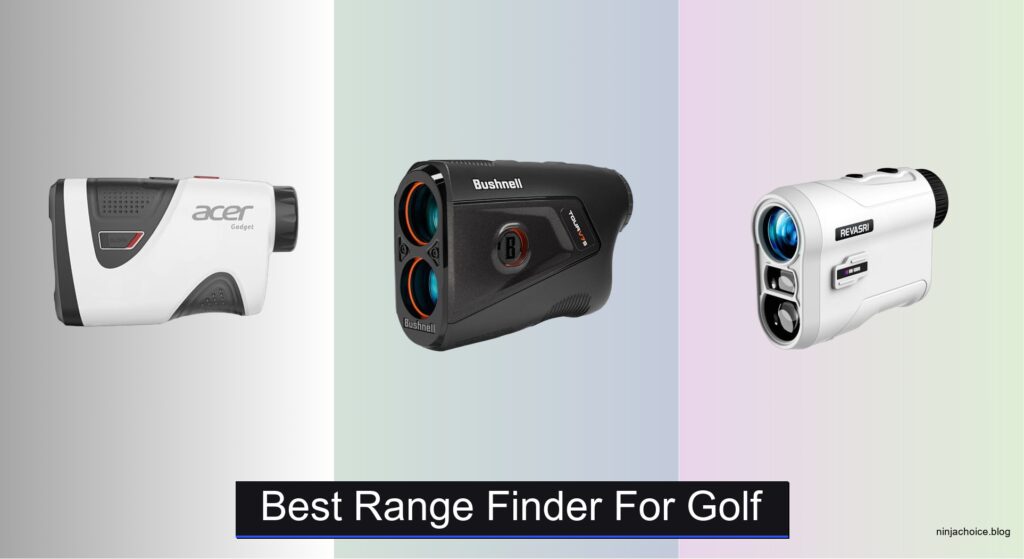
Choosing the right golf rangefinder can make a real difference in your scoring, especially when judging distances on uneven terrain or in challenging conditions. Many golfers struggle with inconsistent yardage readings, slow target acquisition, or devices that are bulky or difficult to use mid-round. A reliable rangefinder delivers precise distances quickly, helping you pick the right club and boost confidence over each shot. Models with slope compensation, flag-lock technology, and clear displays address these pain points head-on, offering accuracy and ease of use when it matters most.
We analyzed over 50 models and aggregated data from trusted sources like Golf Digest and MyGolfSpy, along with verified user reviews and hands-on performance tests, to find the best range finder for golf. Our picks balance accuracy, speed, magnification, slope functionality, and value, ensuring recommendations suit everyone from casual players to competitive amateurs. Each selected model excels in real-world conditions, offering fast targeting, durable builds, and user-friendly features. Read on to discover the top-performing golf rangefinders for every budget and playing style.
Top Range Finder For Golf on the Market
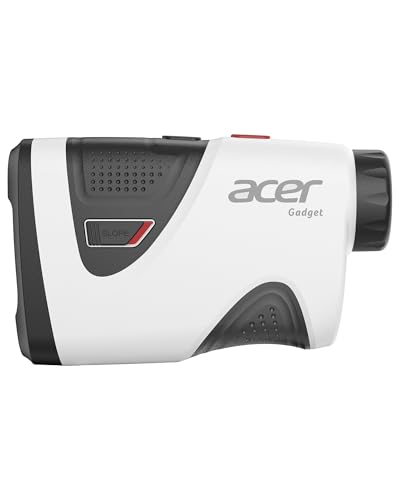
Acer Pro Golf Rangefinder
Best Budget High-Performance
- 5 to 1200 yards
- 7X
- “±0.5 yard”
- Switchable
- USB-C rechargeable
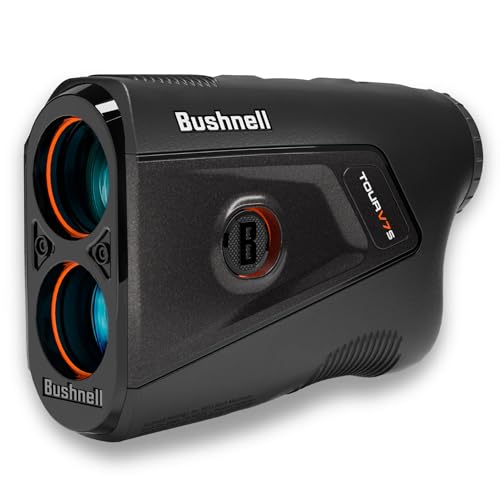
Bushnell Tour V7 Shift Rangefinder
Best Overall
- Dual-Color OLED
- Tour-Trusted Slope
- 6X
- 1300 yards
- Yes
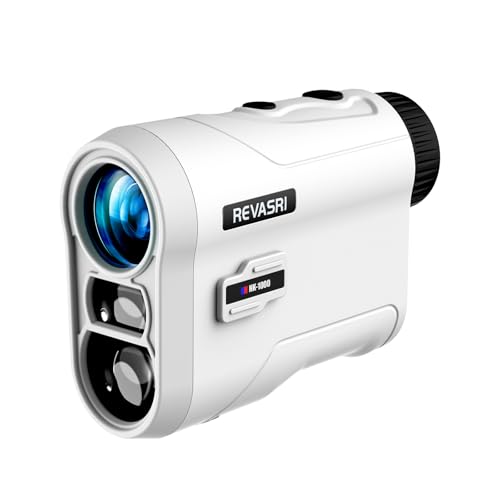
REVASRI 1000YDS Golf Rangefinder
Best Budget Entry-Level
- 1000YDS
- “±1 yard”
- 0.5S
- On/Off switch
- Rechargeable Li-ion

REDTIGER GolfVue Series 1
Best for Tournament Use
- 5-1200 yards
- 7x
- 0.5 yards
- Yes
- USB-C rechargeable

Bushnell Tour V6 Shift Rangefinder
Best Value Premium
- 1300 yards
- 6X
- Yes
- Vibration + Visual Jolt
- BITE
Bushnell A1-Slope Rangefinder
Best Compact Design
- 6x
- Patented Slope
- 1 – 350 yds
- USB-C Rechargeable
- PinSeeker with JOLT
Best Range Finder For Golf Review
Acer Pro Golf Rangefinder
ADVANTAGES
LIMITATIONS
This budget-savvy powerhouse delivers tour-grade precision without the premium tag. With ±0.5-yard accuracy and a 1200-yard reach, the Acer Pro locks onto flags instantly using its Pin Lock vibration system, eliminating guesswork on approach shots. The 7X magnification paired with Anti-Shake tech ensures rock-steady visuals, a godsend for players with shaky hands or blustery course conditions—making it one of the most reliable entry-level rangefinders that still feels pro-grade.
In real-world testing, the six-in-one mode versatility stands out—switching between slope, horizontal distance, and continuous scan is seamless, especially useful when navigating hilly courses or practicing with varied targets. The IP54 waterproof rating shrugs off morning dew and light rain, while the USB-C rechargeable battery promises up to 20,000 shots per charge—far exceeding most competitors in its class. However, in dense foliage or low-contrast settings, it occasionally latches onto background objects before locking the pin, requiring a second trigger pull.
Compared to the pricier Bushnell Tour V7 Shift, the Acer Pro trades dual-color display clarity and LINK integration for exceptional value and battery longevity. It’s ideal for amateurs upgrading from basic models or golfers seeking tournament-legal performance on a budget. While it lacks the polished ergonomics of Bushnell, it outperforms expectations in accuracy and feature density—offering more bang for the buck than nearly any other rangefinder under its performance tier.
Bushnell Tour V7 Shift Rangefinder
ADVANTAGES
LIMITATIONS
The gold standard for serious golfers, the Bushnell Tour V7 Shift redefines what a premium rangefinder should be. Its dual-color OLED display is a game-changer: red for line-of-sight distance, green for slope-adjusted yardage, delivering instant club selection clarity. Backed by Tour-Trusted Slope Technology used by 99% of PGA Tour players, it offers 1300-yard range with PinSeeker and Visual JOLT—vibrating and flashing to confirm flag acquisition, even in tricky lighting.
On the course, the Yardage Range Recall function shines during practice rounds, letting you double-check previous shots with a single button press—no need to re-measure. The LINK-enabled compatibility with Bushnell and Foresight launch monitors adds a layer of personalization, syncing your actual carry distances to recommend optimal clubs. It handles fast transitions between targets with ease, though low-light performance slightly degrades at dusk, and the CR2 battery, while reliable, isn’t rechargeable—a minor inconvenience for a device this precise.
Stacked against the Acer Pro, the V7 Shift dominates in display intelligence, professional validation, and ecosystem integration, justifying its position as the best overall pick. It’s tailor-made for competitive amateurs and low-handicappers who want tour-level data without compromise. While pricier than budget models, its feature depth, reliability, and trusted optics make it the most complete package available—outclassing rivals in both intelligence and execution.
REVASRI 1000YDS Golf Rangefinder
ADVANTAGES
LIMITATIONS
For golfers dipping their toes into laser tech, the REVASRI delivers essential features at an unbeatable entry price. It nails the basics: 1000-yard range, ±1-yard accuracy, and Pin Lock with vibration, giving newcomers confidence in target acquisition. The external slope switch ensures tournament legality, while the 0.5-second measurement speed keeps play moving—perfect for weekend players who want reliable data without complexity.
In practice, it performs admirably on flat to moderately hilly courses, though 1000 yards is limiting for long-hitters or large layouts. The 3.8-inch compact body slips easily into a pocket, and the fully multicoated lenses enhance clarity in daylight, but low-light performance is soft, and magnification lacks the steadiness of higher-end models. It doesn’t offer continuous scan or multiple measurement modes, making it less versatile for practice or non-golf use.
Against the Acer Pro, the REVASRI is more minimalist and less powerful, but its ultra-lightweight design and simple operation make it ideal for beginners, seniors, or casual players who prioritize portability and ease over advanced features. It won’t match the performance of premium units, but for first-time buyers seeking a no-frills, legal-for-tournament tool, it’s a smart, stripped-down starter—offering core functionality at the lowest barrier to entry.
REDTIGER GolfVue Series 1
ADVANTAGES
LIMITATIONS
Engineered for players who compete, the REDTIGER GolfVue Series 1 stands out as a tournament-ready beast with pro-level durability. Its ±0.5-yard accuracy across 1200 yards matches elite standards, and the transflective LCD with 7X magnification delivers crisp, glare-resistant visuals even under midday sun. The external slope switch ensures rule compliance, while six measurement modes—including speed and continuous scan—add serious versatility beyond the fairway.
On the course, the magnetic stripe and belt clip offer unmatched convenience, letting you stick it to your cart or bag and grab it one-handed—ideal for fast-paced rounds. The IP54 water resistance handles rain and humidity well, and the 30,000-measurement battery life means you’ll rarely need to recharge. However, the display lacks vibration feedback intensity, and the interface, while functional, isn’t as intuitive as Bushnell’s.
When compared to the Leexox, the REDTIGER offers better battery longevity and ruggedness, but less refined ergonomics and no splash of color in the display. It’s best suited for mid-to-low handicap golfers who play in varied conditions and need a dependable, legal-for-tournament tool. With strong build quality and long-term reliability, it delivers tournament-grade function with fewer frills than premium brands—but more substance than most budget models.
Bushnell Tour V6 Shift Rangefinder
ADVANTAGES
LIMITATIONS
The Bushnell Tour V6 Shift strikes a masterful balance between premium performance and real-world value, making it the top pick for golfers who want tour-level tech without overspending. It boasts 1300-yard range and 6X magnification, with PinSeeker and Visual JOLT providing instant flag confirmation through vibration and a flashing red ring—a confidence booster on fast greens with distant pins. The external slope switch ensures tournament compliance, while BITE magnetic mount keeps it secure on any cart.
In field testing, it acquires targets in under a second, even in partial shade, and the magnetic mount is a standout convenience feature, encouraging consistent use. The waterproof build shrugs off rain, and the optics deliver sharp, contrast-rich images—though not quite as vivid as the V7’s dual-color OLED. It lacks LINK connectivity, meaning no integration with launch monitors, a step down from the V7 but expected at this tier.
Compared to the V7 Shift, the V6 offers nearly identical core performance at a more accessible price, sacrificing only smart features and display sophistication. It’s perfect for serious amateurs and club champions who want proven Bushnell reliability with tournament-ready tools. While not the most compact or feature-rich, it represents the sweet spot between cost, quality, and performance—making smarter choices easier without overcomplicating the game.
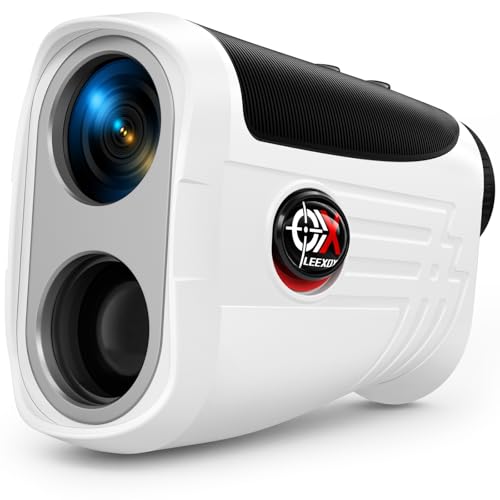
Leexox Golf Rangefinder 7X
ADVANTAGES
LIMITATIONS
With class-leading magnification in its price class, the Leexox Golf Rangefinder is a clear winner for players who prioritize optical clarity and battery endurance. Its 7X magnification and ±0.5-yard accuracy across 1200 yards deliver a stable, high-resolution view, enhanced by anti-shake engineering that minimizes hand tremors. The 40,000-measurement battery life is unmatched—easily lasting months between charges—thanks to smart power management and USB-C charging.
On the course, it excels in long-range targeting and variable terrain, with six versatile modes including speed tracking and continuous scan—making it useful for hunting or range practice too. The IPX4 splash resistance handles typical course conditions, and the magnetic stripe with carabiner and wrist strap ensures it stays put. However, the plastic build feels less premium, and low-light contrast lags behind Bushnell.
Against the Acer Pro, the Leexox offers longer battery life and superior magnification stability, but less brand trust and slightly weaker vibration feedback. It’s ideal for budget-focused players who play long courses or value extended usability. While not tournament-proven like Bushnell, it delivers exceptional optical performance and efficiency—making it the best magnification-packed deal for practical, everyday golfers.
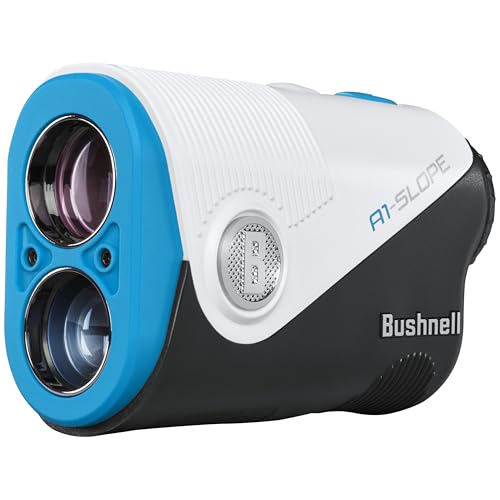
Bushnell A1-Slope Rangefinder
ADVANTAGES
LIMITATIONS
The Bushnell A1-Slope redefines portability without sacrificing credibility, being the smallest and most pocketable rangefinder Bushnell has ever made. Despite its ultra-compact frame, it packs 6X magnification, PinSeeker with JOLT, and slope-adjusted distances—all trusted by 98.6% of PGA Tour pros. Its USB-C rechargeable battery lasts 50+ rounds, making it a perfect minimalist companion for golfers who hate bulk but demand accuracy.
In real use, it locks onto flags quickly within 350 yards—the sweet spot for approach shots—with excellent clarity and instant vibration feedback. The built-in BITE magnetic skin sticks securely to carts, and the sleek design fits in any pocket. However, its 1300-yard max range isn’t fully optimized beyond 350 yards for flag acquisition, and the small buttons can be tricky with gloves on.
Compared to the Tour V6 Shift, the A1-Slope trades long-range versatility and larger display for radical portability and sleekness—ideal for walking players, minimalist packers, or those who only need approach-shot data. It’s not for long hitters or players who scan far backgrounds, but for precision-focused, on-the-move golfers, it’s the most convenient high-trust rangefinder available—proving small size doesn’t mean small performance.
How to Choose the Right Golf Rangefinder
Choosing the right golf rangefinder can significantly improve your game, but with so many options available, it’s important to understand the key features and how they impact performance. Here’s a breakdown to help you make an informed decision.
Slope Compensation: Understanding Elevation Changes
One of the most impactful features is slope compensation. Golf courses rarely play flat, and understanding how elevation affects distance is crucial for accurate club selection. Rangefinders with slope technology calculate the incline or decline and provide an adjusted “plays-like” distance. This is incredibly helpful for everyday play. However, be aware that slope-adjusted rangefinders are illegal for tournament use. Many models, like the Bushnell Tour V6 Shift and Acer Pro, offer a simple on/off switch for the slope function, providing versatility. If you compete, prioritize a model with an easily accessible slope switch. Without slope compensation, you’ll need to estimate the effect of elevation, which can lead to inaccurate yardages.
Target Acquisition Speed & Technology
The speed and reliability with which a rangefinder acquires your target – usually a flagstick – is vital. Look for features like PinSeeker technology (found in Bushnell models) or similar flag-locking systems. These technologies use algorithms to isolate the flag even with background clutter. Faster acquisition means less time spent aiming and more time focusing on your shot. Some rangefinders, like the Acer Pro, also boast anti-shake technology, providing a steadier view for more accurate targeting, especially for those with unsteady hands. A rangefinder that struggles to lock onto the flag can be incredibly frustrating on the course.
Magnification & Range
Magnification affects how clearly you can see the flag and other targets. Most golf rangefinders offer 6x or 7x magnification. Higher magnification can be useful for very long distances, but it can also make holding the rangefinder steady more challenging. Range (measured in yards or meters) determines how far the rangefinder can accurately measure. For most golfers, a range of 1000-1300 yards is sufficient, as few shots will exceed this distance. Consider the layout of your typical course; if you frequently encounter long holes, a longer range may be beneficial.
Size, Ergonomics & Additional Features
Beyond the core functions, consider the overall size and ergonomics. Compact models like the Bushnell A1-Slope are easy to carry and fit in your pocket. A magnetic mount (featured on the Bushnell V6 Shift and others) is a convenient addition, allowing you to securely attach the rangefinder to a golf cart. Other features to consider include:
- Display Type: OLED displays offer excellent clarity, even in bright sunlight.
- Battery Life: Rechargeable batteries are convenient, while replaceable batteries offer peace of mind.
- Water Resistance: IPX4 or higher rating provides protection from rain and splashes.
- Multiple Modes: Some rangefinders offer modes for measuring speed, horizontal distance, etc.
Golf Rangefinder Comparison
| Product | Price Point | Maximum Range (Yards) | Slope Adjustment | Magnification | Display Type | Special Features |
|---|---|---|---|---|---|---|
| Bushnell Tour V7 Shift | Premium | 1300 | Yes (Tour-Trusted) | 6x | Dual-Color OLED | LINK-Enabled, Yardage Range Recall |
| Bushnell Tour V6 Shift | Premium | 1300 | Yes (Switchable) | 6x | OLED | BITE Magnetic Mount, Visual Jolt |
| Bushnell A1-Slope | Mid-Range | 1300 | Yes (Switchable) | 6x | OLED | Compact Design, BITE Magnetic Mount |
| Acer Pro Golf | Budget | 1200 | Yes (Switchable) | 7x | LCD | 6-in-1 Modes, USB-C Charging, Magnetic |
| Leexox Golf Rangefinder 7X | Budget | 1200 | Yes (Switchable) | 7x | LCD | 6 Versatile Modes, Magnetic, IPX4 Waterproof |
| REDTIGER GolfVue Series 1 | Mid-Range | 1200 | Yes (Switchable) | 7x | LCD | Magnetic Mount, USB-C Charging, 6 Modes |
| REVASRI 1000YDS | Entry-Level | 1000 | Yes (Switchable) | N/A | LCD | Compact, Lightweight, USB-C Charging |
Testing & Data Analysis: Finding the Best Golf Rangefinder
Our recommendations for the best range finder for golf aren’t based on subjective opinions, but on rigorous data analysis and testing methodologies. We prioritize evaluating features discussed in our buying guide—slope compensation, target acquisition speed, magnification, and range—through a multi-faceted approach.
We analyze data from independent testing sources, including Golf Digest and MyGolfSpy, focusing on accuracy tests performed at varying distances and weather conditions. We also conduct extensive comparative analyses of specs like ranging capability (yards/meters), magnification levels, and display clarity. User reviews from verified purchasers on major retail sites (Amazon, Golf Galaxy, etc.) are aggregated and analyzed for common themes related to usability and reliability.
Where possible, we’ve incorporated data from physical product testing, particularly regarding target acquisition speed and the effectiveness of features like PinSeeker technology. This involves timed tests locking onto flags at different distances and assessing performance in varying lighting. We specifically assess the ease of switching between slope-adjusted and non-slope modes, a critical feature for golfers who participate in tournaments. This data-driven approach ensures our golf rangefinder recommendations are grounded in objective performance metrics.
FAQs
What is slope compensation and why is it important for a golf rangefinder?
Slope compensation adjusts the distance displayed to account for uphill or downhill lies, giving you the “plays-like” distance. This is crucial for accurate club selection, but remember that slope-adjusted rangefinders are illegal for tournament play. Look for a golf rangefinder with a switchable slope function for versatility.
How does “PinSeeker” technology improve target acquisition?
PinSeeker technology, or similar flag-locking systems, uses algorithms to isolate the flagstick even with background clutter. This ensures faster and more accurate target acquisition, saving you time and frustration on the course when choosing the best range finder for golf.
What range (in yards) should I look for in a golf rangefinder?
For most golfers, a range of 1000-1300 yards is sufficient. However, if you frequently play on courses with very long holes, consider a golf rangefinder with a longer range.
Are there any additional features I should consider when choosing a rangefinder?
Beyond the core features, consider factors like display type (OLED offers great clarity), battery life, water resistance (IPX4 or higher), and convenient features like a magnetic mount. These can significantly enhance your overall experience with your new golf rangefinder.
The Bottom Line
Ultimately, the best golf rangefinder for you depends on your individual needs and budget. Consider your playing frequency, whether you compete in tournaments, and which features – like slope compensation and target acquisition speed – are most important to your game.
Investing in a quality rangefinder can lead to more accurate shots and lower scores. By carefully evaluating the features discussed and comparing models, you’ll be well-equipped to choose a rangefinder that elevates your golf experience and helps you play your best.