You’ve spotted your dog frantically scratching, and then you see them: tiny black specks hopping through their fur. Fleas have invaded, and you reach for the fastest solution you know—flea shampoo. But how does flea shampoo work to kill these pests? This immediate treatment lathers directly onto your pet, claiming to eliminate adult fleas on contact. While it provides quick relief during the bath, the reality is more complex. Flea shampoos rely on insecticides that target fleas’ nervous systems, but they wash away completely after rinsing. Without understanding exactly how these products function—and their critical limitations—you might end up in a never-ending cycle of baths as fleas reinfest from your home environment. In this guide, we’ll break down the science behind flea shampoos, why they fail to stop reinfestation, and how to use them effectively as part of a complete flea control strategy.
How Pyrethrins Paralyze Fleas in 5 Minutes

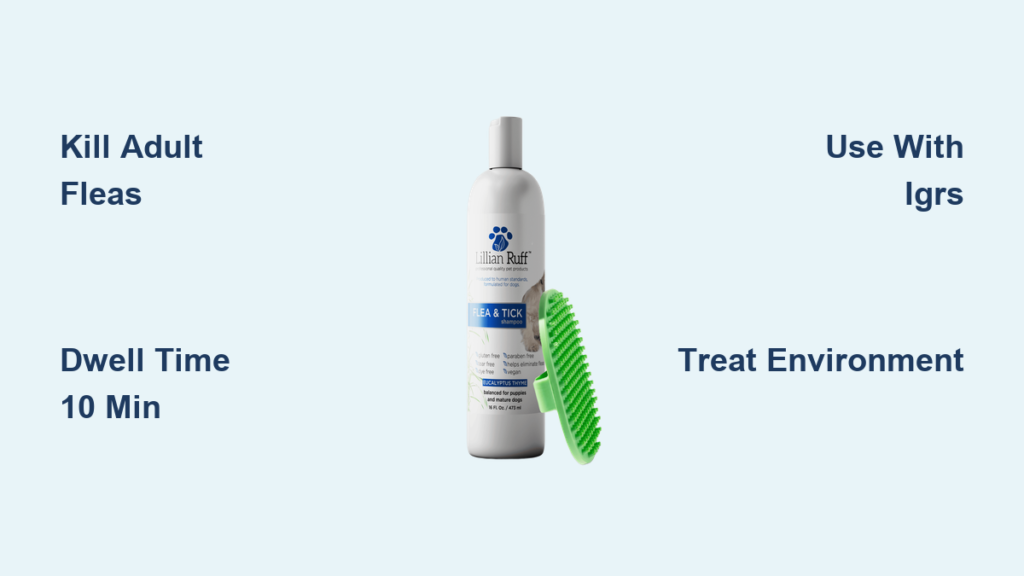
Flea shampoo kills adult fleas through neurotoxins like pyrethrins (natural compounds from chrysanthemums) and pyrethroids (their synthetic cousins). When you lather the shampoo into your pet’s coat, these chemicals penetrate fleas’ exoskeletons and attack their nervous systems. Specifically, they hijack sodium channels in nerve cells, causing uncontrolled nerve firing. This leads to rapid paralysis—visible as frantic jumping or twitching—followed by death within minutes. For maximum effect, the shampoo must stay on your pet for 5–10 minutes (never skip this dwell time!). Crucially, piperonyl butoxide (PBO), added to most shampoos, blocks fleas’ natural detox enzymes, making pyrethrins 10x more lethal. Without PBO, resistant fleas might survive the bath.
Why Pyrethroid Shampoos Are Dangerous for Cats
Never use dog-formulated flea shampoo on cats. Felines lack liver enzymes to break down pyrethroids, leading to fatal toxicity. Symptoms like tremors, drooling, or seizures can appear within hours. Cat-safe shampoos use only low-dose pyrethrins—not pyrethroids—and require strict adherence to weight-based dosing. If your cat shows agitation during bathing, rinse immediately and call your vet.
Insect Growth Regulators: Stopping Flea Eggs Before They Hatch
Some advanced flea shampoos include pyriproxyfen or methoprene—Insect Growth Regulators (IGRs) that disrupt flea development. Unlike neurotoxins, IGRs don’t kill adult fleas outright. Instead, they mimic juvenile hormones, preventing larvae from maturing into biting adults. When applied during bathing, IGRs coat your pet’s fur and transfer to eggs laid on bedding or carpets. This breaks the reproductive cycle, reducing reinfestation by 90%. Key limitation: IGRs require 24–48 hours to take effect, so they won’t stop immediate scratching. They’re most effective when combined with neurotoxins in the same shampoo.
Spotting IGR-Enhanced Shampoos at Pet Stores
Check labels for “flea growth inhibitor” or specific IGR names like pyriproxyfen. Avoid “natural” shampoos claiming to kill eggs with citrus oils—they lack proven efficacy against resilient flea cocoons.
The 7-Step Flea Shampoo Application That Actually Kills Fleas
Most flea shampoo failures happen due to rushed application. Follow this vet-approved sequence for 95% adult flea mortality:
- Pre-bath brushing: Remove mats and debris with a slicker brush (fleas hide in tangles).
- Lukewarm water soak: Thoroughly wet fur down to skin—cold water makes fleas burrow deeper.
- Dilute correctly: Mix shampoo per label instructions (over-concentrating risks burns).
- Lather from tail to head: Massage vigorously for 2 minutes, avoiding eyes and genitals.
- Dwell time non-negotiable: Set a timer for full 10 minutes—fleas drown in suds during this phase.
- Rinse until water runs clear: Any residue causes skin irritation.
- Post-bath flea combing: Use a fine-tooth comb to remove dead fleas and eggs while fur is damp.
Critical mistake: Rinsing too early. Fleas recover if contact time drops below 5 minutes—always use a timer.
Why Flea Shampoo Offers Zero Protection After Rinsing
The harsh truth? Flea shampoo only kills fleas present during the bath. Once rinsed, the insecticide washes away completely—unlike topical spot-ons that create a protective oil layer on skin. This “knockdown effect” gives false confidence: your pet may be flea-free post-bath, but fleas from carpets, bedding, or yards jump back within hours. Worse, shampoos don’t penetrate flea eggs. These sticky, sand-like specks cling to fur and hatch in 2–10 days, restarting the infestation cycle. If you see fleas 48 hours after bathing, it’s not product failure—it’s new fleas hatching from unhatched eggs.
The Flea Life Cycle Loophole Shampoos Can’t Fix
Flea eggs make up 50% of an infestation but resist shampoos due to their waxy coating. Larvae (35% of infestations) burrow into carpets and avoid contact. Only adult fleas (15%) are exposed during bathing—meaning shampoos tackle less than 1/6 of the total problem.
Dog vs. Cat Flea Shampoos: Avoiding Fatal Errors
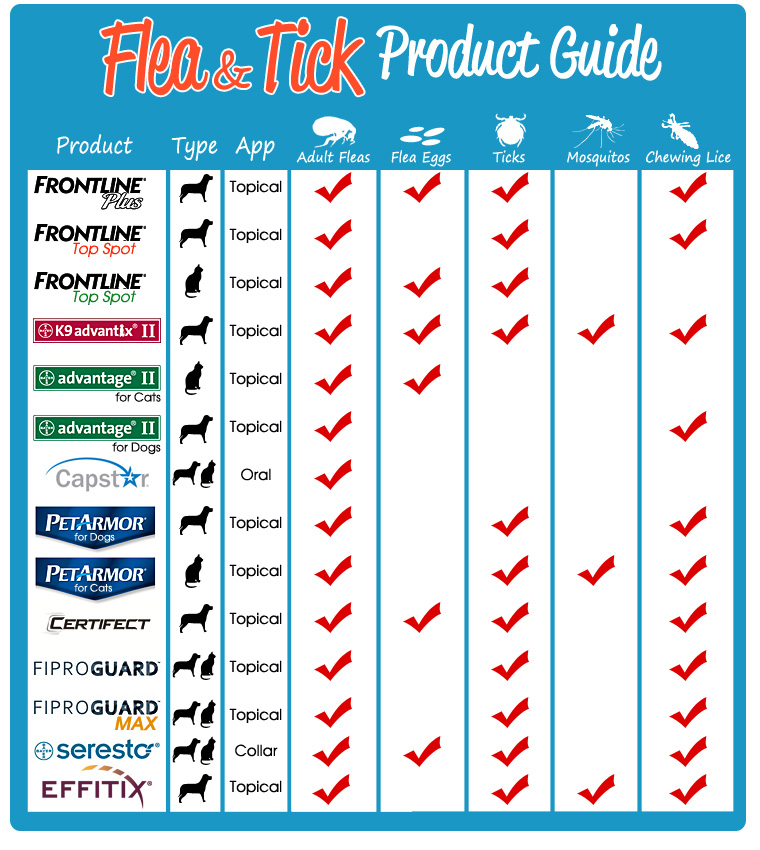
Species-specific formulas aren’t optional—they’re life-or-death. Dog shampoos often contain permethrin (safe for canines), but this ingredient causes severe neurotoxicity in cats. Even trace residue transferred via cross-contact (e.g., cats sleeping on dog beds) can be lethal. Conversely, cat shampoos use gentler pyrethrins at lower concentrations. Always:
- Triple-check labels for “for dogs only” or “safe for cats”
- Bathe cats in a separate tub (dog shampoo residue in drains harms cats)
- Never use “all-in-one” human shampoos—they strip pets’ protective skin oils
Red flag: Products like Hartz® Flea & Tick Shampoo have documented links to seizures in small dogs. When in doubt, choose vet-recommended brands like Adams® Plus.
Flea Shampoos vs. Vet-Approved Alternatives: What Actually Works Long-Term
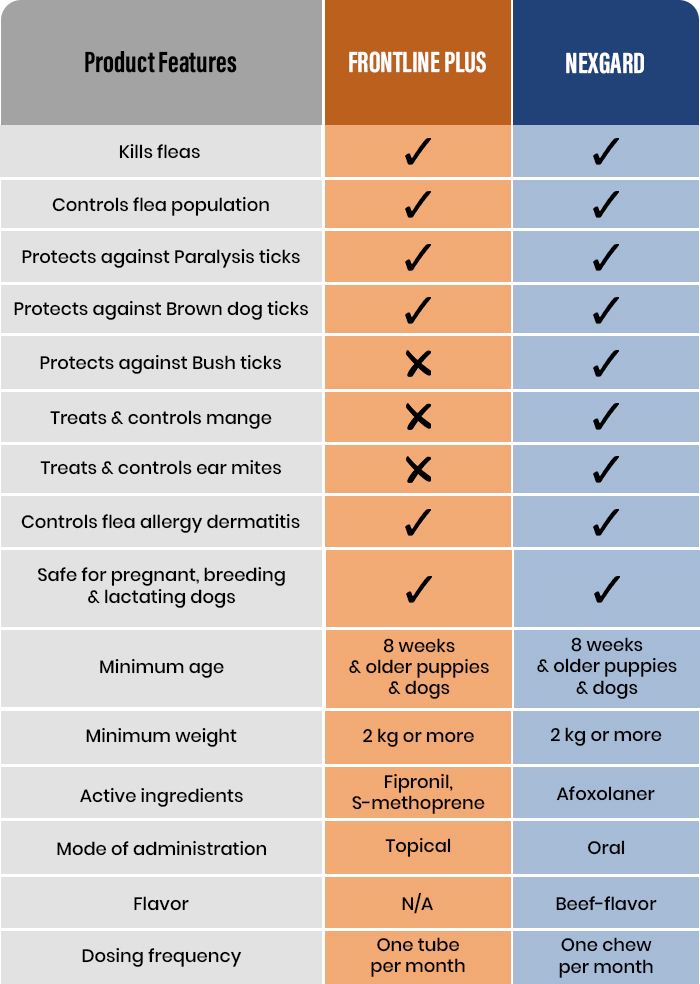
While flea shampoo gives immediate relief, it’s outmatched by modern preventatives for ongoing control:
| Product Type | Protection Duration | Kills Eggs/Larvae? | Best For |
|---|---|---|---|
| Flea shampoo | 0 hours (washes off) | ❌ | Emergency adult flea removal |
| Oral chews (NexGard) | 30 days | ❌ | Pets who swim frequently |
| Topical spot-ons | 30 days | ✅ (with IGRs) | Multi-pet households |
| Flea collars (Seresto) | 8 months | ✅ | Yard-heavy lifestyles |
Pro tip: Use flea shampoo ONLY for initial heavy infestations, then start a vet-prescribed preventative the next day. Shampoos alone fail 100% of the time against established infestations.
Building a Flea Control Plan That Breaks the Cycle
Flea shampoo is just step one in a three-phase strategy:
- Immediate knockdown: Bathe with flea shampoo (killing 80–95% of adults).
- Preventative activation: Within 24 hours, apply a vet-recommended topical like Frontline Plus (contains fipronil + methoprene for egg control).
- Environmental assault: Vacuum daily + wash bedding in hot water (140°F+) to kill eggs. Sprinkle food-grade diatomaceous earth on carpets—it dehydrates larvae and eggs.
Critical timeline: Flea life cycles last 3–4 weeks. Continue preventatives for two full cycles (8 weeks) even after fleas disappear.
What to Do IMMEDIATELY After a Flea Shampoo Bath
Rinsing isn’t the finish line—it’s when reinfestation begins. Within 1 hour of drying:
- Apply flea preventative: Topicals need 24 hours to spread; oral meds require empty stomachs.
- Vacuum all pet areas: Focus on baseboards and under furniture—fleas jump toward vibrations.
- Wash ALL bedding: Including human blankets your pet contacts.
- Deploy flea traps: Sticky traps with LED lights catch hatching adults overnight.
Warning: Never combine flea shampoo with other treatments on the same day—overdosing causes chemical burns. Wait 48 hours before spot-ons.
Conclusion: Flea Shampoo’s Limited—but Vital—Role
How does flea shampoo work? It delivers neurotoxins like pyrethrins directly to adult fleas, paralyzing them within minutes during bathing. But its effectiveness ends at the drain—zero residual protection leaves your pet vulnerable to reinfestation within hours. Flea eggs and larvae remain untouched, ensuring the cycle continues. For lasting relief, use shampoo only for emergency adult flea removal, then immediately start a vet-prescribed preventative like Bravecto or Seresto. Pair this with aggressive environmental cleaning: vacuum daily, wash bedding weekly, and treat outdoor hotspots. Fleas won’t vanish overnight, but this two-pronged approach breaks their reproductive cycle for good. If your pet has severe reactions (tremors, vomiting), stop all products and call your vet immediately—your pet’s safety trumps any flea battle. Remember: Shampoo is a first aid tool, not a cure. True victory comes from consistent prevention.