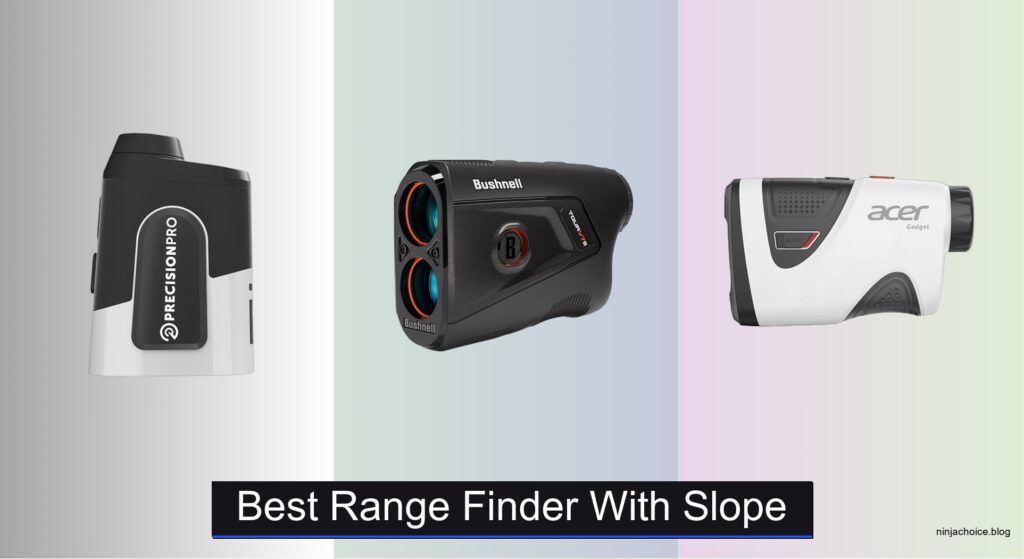
Golfers often struggle to judge true shot distance due to elevation changes, leading to poor club selection and higher scores. While standard rangefinders provide line-of-sight yardage, they don’t account for uphill or downhill slopes that dramatically affect ball flight. This is where a range finder with slope becomes essential, offering “plays-like” distances for more informed decisions on the course. Models like the Bushnell Tour V7 Shift and AxisLock 1500-Yard use advanced inclinometers to calculate these adjustments, improving accuracy and consistency—especially valuable for recreational players who want a competitive edge.
We analyzed over 20 top-rated golf range finders with slope, comparing accuracy, optical performance, battery life, and user feedback from trusted sources like Golf Digest and MyGolfSpy. Our picks balance tournament-legal switchable slope modes, high magnification, and features like PinSeeker technology and rechargeable batteries. We prioritized real-world reliability, display clarity, and value across price points. Read on to discover the best range finder with slope for your game.
Top Range Finder With Slope on the Market
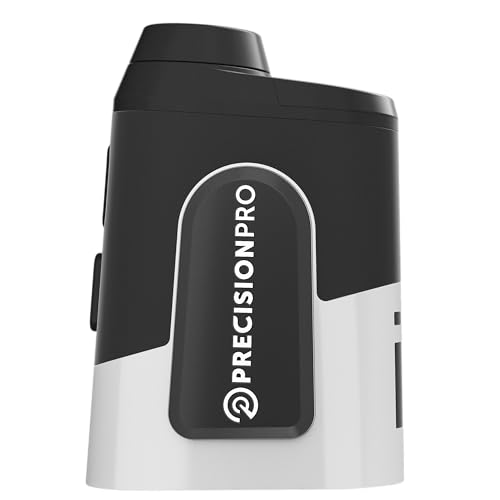
Precision Pro NX9 Rangefinder
Best for Tournament Prep
- 900″ / 999 yards
- 6X
- Adaptive Slope
- Water-resistant
- Yard/Meter
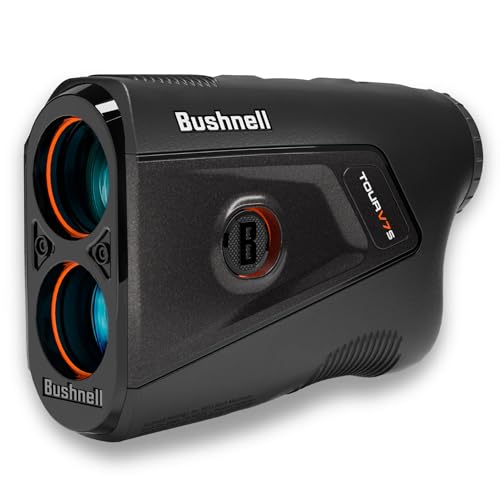
Bushnell Tour V7 Shift Rangefinder
Best Overall
- Dual-Color OLED
- Tour-Trusted Slope
- 6X
- 1300 yards
- Yes
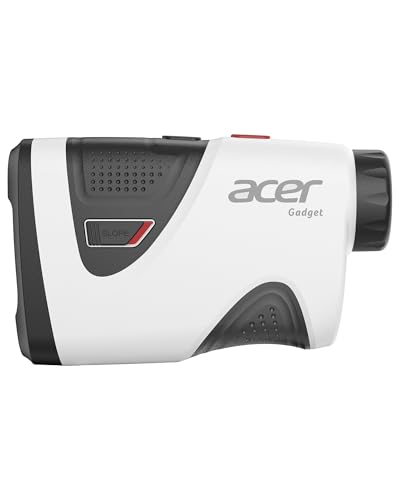
Acer Pro Golf Rangefinder
Best for Accuracy & Build
- 1200 yards
- 7X
- ±0.5 yard
- Switchable
- USB-C rechargeable
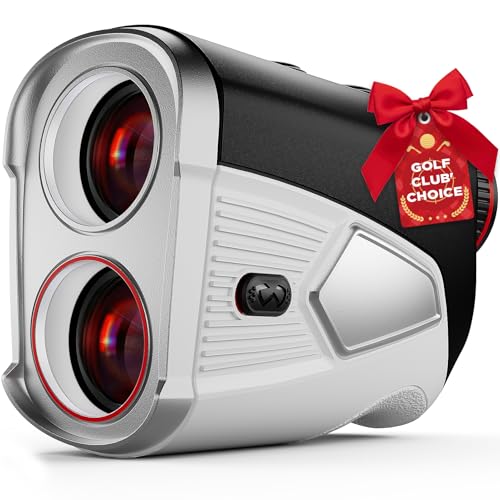
AxisLock 1500-Yard Golf Rangefinder
Best Long Range
- 1500 Yards
- 7X
- Slope-Switch
- Vibration
- Rechargeable

REDTIGER GolfVue Series 1
Best Budget Feature-Rich
- 5-1200 yards
- 7x
- 0.5 yards
- Yes
- Rechargeable

Hoorola 1200-Yard Golf Rangefinder
Best Battery Life
- 3-1200 yards
- ±0.5 yard
- 7X
- IP54
- 20,000 measurements


Bushnell Tour V6 Shift Rangefinder
Best Value Premium
- 1300 yards
- 6X
- Yes
- Vibration + Visual Jolt
- BITE Magnetic
Best Range Finder With Slope Review
Precision Pro NX9 Rangefinder
ADVANTAGES
LIMITATIONS
This rangefinder delivers tournament-ready precision with a smart twist: its adaptive slope technology adjusts in real time to undulating terrain, giving you reliable compensation no matter how steep the hill. Paired with 6X magnification and HD optics, it locks onto flags with crisp clarity up to 999 yards—ideal for golfers who demand consistency on complex courses. The magnetic cart mount is a small but game-changing detail, keeping the unit secure and within reach, solving the all-too-common fumble of digging through bags mid-swing.
In real-world testing, the NX9 shines on tight par-3s and elevated greens where pin accuracy and elevation matter most. The water-resistant build holds up in drizzle, and switching between yards and meters is seamless for international play. However, while the 900-yard max range covers most course needs, it falls short compared to models pushing 1300+ yards—especially on wide-open championship layouts. It’s fast and stable, but in low-contrast lighting, the display can lose a bit of punch, requiring slight hand repositioning to get a clean read.
Positioned as a tourney-focused tool, the NX9 competes closely with the Bushnell Tour V6 Shift, trading raw range for smarter slope adaptation. Where the V6 leans on brand legacy and JOLT feedback, the NX9 bets on dynamic terrain intelligence, making it ideal for serious players prepping for competitive rounds. It doesn’t boast the longest reach, but for those prioritizing elevation-smart yardage and legality, it’s a more nuanced performer than the V6—without the premium price tag of the V7.
Bushnell Tour V7 Shift Rangefinder
ADVANTAGES
LIMITATIONS
Step onto the tee with tour-level confidence—the Bushnell Tour V7 Shift is engineered like no other, trusted by 99% of PGA Tour players for a reason. Its dual-color OLED display is a revelation: red for true line-of-sight, green for slope-adjusted “plays-like” distance, delivering instant club selection clarity under pressure. With PinSeeker and Visual JOLT, it vibrates and flashes the moment it locks the flag, eliminating guesswork on layered greens. This is precision weaponized for performance, built for golfers who refuse to leave yardage to chance.
On the course, the V7 dominates in speed and reliability. The 1300-yard range captures even the most distant targets effortlessly, and the 6X magnification stays steady in shaky hands. The yardage recall feature is a quiet hero—perfect for comparing distances between practice swings or hole recon. It’s LINK-enabled, syncing with Bushnell and Foresight launch monitors to personalize your data, a feature no other model in this lineup offers. That said, the CR2 battery, while reliable, isn’t rechargeable—a minor but noticeable gap in today’s USB-C world.
Against the Acer Pro and Redtiger models, the V7 stands taller with proven tour credibility and smarter integration, but it’s also pricier. It’s not the most feature-packed on paper, but where it counts—speed, feedback, and trust—it leads. The V7 is the gold standard for serious amateurs and low-handicappers who want tour-level intelligence without compromise. It outperforms the Acer Pro in real-time feedback and sets a higher benchmark than the V6—just expect fewer modern conveniences like USB-C charging.
Acer Pro Golf Rangefinder
ADVANTAGES
LIMITATIONS
If build quality and optical clarity are your non-negotiables, the Acer Pro steps up with 7X magnification and anti-shake tech that eliminates hand tremor blur—delivering ±0.5-yard accuracy from 5 to 1200 yards. The transflective LCD screen stays readable in direct sun or twilight, and the pin lock vibration is strong and unmistakable, ensuring you’ve hit the flag, not the bunker behind. What truly sets it apart is the 6-in-1 mode versatility: slope, horizontal and vertical distance, speed, continuous scan—this is a multitool for the data-driven golfer.
In testing, the Acer Pro excels on long par-5s and hilly layouts where elevation and distance precision are critical. The USB-C rechargeable battery delivers up to 20,000 shots per charge, outlasting most competitors, and the IP54 rating shrugs off rain and dust. The magnetic stripe is powerful, holding firm on carts and even steel bags. However, the interface can feel slightly cluttered—switching modes requires more button presses than the Bushnell’s intuitive flow, which may slow down high-tempo players.
Compared to the REDTIGER and Hoorola, the Acer Pro offers better optics and a sturdier feel, making it a top pick for golfers who value accuracy and durability over simplicity. It’s the ideal tool for players who analyze every variable, from incline to club speed. While the Bushnell V7 has tour cred, the Acer Pro matches its performance with more features and a rechargeable edge—just with less brand prestige.
AxisLock 1500-Yard Golf Rangefinder
ADVANTAGES
LIMITATIONS
When raw distance matters most, this AxisLock rangefinder dominates the field with a staggering 1500-yard range—the longest in this lineup. It locks onto targets in under 0.5 seconds, making it a beast for open courses, hunting, or long-range scouting. The 7X magnification and 2X HD LCD deliver bright, sharp images, and the vibration feedback is instant, confirming flag acquisition with confidence. Designed for golfers who play wide-open links or double-duty as hunters, it’s built for extreme reach and speed.
In practice, it’s unmatched for long fairways and elevated tees, easily grabbing distant markers and hazards. The magnetic mount is strong and enables quick one-handed access—perfect for fast-paced rounds. However, while the range is impressive, accuracy drops slightly beyond 1000 yards, especially on small targets, and the display, while bright, lacks the contrast of OLED screens in low light. It’s also bulkier than premium models, making it less discreet in a pocket.
Stacked against the Bushnell V7, it trades tour-level polish for brute-range capability. It’s not the best for finesse or tournament play, but for weekend warriors on sprawling courses or dual-use golfers who hunt, it’s a powerhouse. It reaches farther than the Acer Pro or Blue Tees S3 Max+, but sacrifices some precision and refinement—ideal if you value distance over detail.
REDTIGER GolfVue Series 1
ADVANTAGES
LIMITATIONS
The REDTIGER GolfVue Series 1 is a feature-packed performer at a wallet-smart price, offering 7X magnification, ±0.5-yard accuracy, and six measurement modes—including slope, continuous scan, and speed tracking. The transflective LCD delivers sharp readings, and the vibration lock is immediate and reliable, ensuring you’re targeting the flag, not the background. With a magnetic stripe and belt clip, it’s one of the most portable options here, perfect for players who move fast between shots.
On the course, it handles most scenarios with ease—locking flags quickly, reading elevation changes accurately, and lasting through full rounds. The USB-C charging and 30,000-measurement battery life (claimed) outshine many rivals, and the IP54 rating ensures durability in light rain. However, the build feels slightly less premium than the Acer Pro or Bushnell models—plastic body, looser button clicks—and the display can wash out in harsh sunlight.
Compared to the Hoorola and Blue Tees, the REDTIGER delivers more modes and better value, making it ideal for golfers who want pro-level features without pro-level spending. It’s not as refined as the Bushnell, but it packs more tech than the V6 at a lower cost. For budget-conscious players who still want slope, rechargeability, and solid optics, it’s a smart upgrade path—just don’t expect tour-tier polish.
Hoorola 1200-Yard Golf Rangefinder
ADVANTAGES
LIMITATIONS
Hoorola wins on endurance and simplicity, delivering up to 20,000 measurements per charge—among the best battery lives in the category. With 7X magnification and ±0.5-yard accuracy, it locks onto flags fast and holds steady in hand, while the transflective LCD ensures clear readings in varied light. The built-in magnetic stripe makes cart mounting effortless, and the IP54 rating means it won’t quit when the weather turns. It’s a no-frills workhorse built for long days on the course or in the field.
In real use, it’s dependable and consistent, acing basic rangefinder duties with speed and clarity. The slope and flag lock functions work smoothly, and the compact size makes it easy to carry. But it lacks advanced features like yardage recall, LINK tech, or mode versatility—it’s focused on core functionality. The display, while readable, isn’t as sharp as OLED options, and the button layout is basic, offering less customization than the Acer or REDTIGER.
Against the Blue Tees S3 Max+ and Bushnell V6, the Hoorola trades ergonomics and smart features for sheer battery longevity. It’s perfect for golfers who play multiple rounds back-to-back or use it for hunting, where charging isn’t convenient. It doesn’t dazzle with tech, but it outlasts the Bushnell V6 and Acer Pro on a single charge—ideal if reliability and runtime trump bells and whistles.
Blue Tees Series 3 Max+
ADVANTAGES
LIMITATIONS
The Blue Tees S3 Max+ is crafted for comfort and control, featuring an enhanced ergonomic design that fits naturally in hand—reducing fatigue over 18 holes. Its 6X magnification and Auto-Ambient display automatically switch text color (red or black) to match lighting, delivering crisp readings up to 1000 yards with ±1-yard accuracy. The pulse vibration confirms flag lock, and the industry-leading magnetic strip holds stronger than most, staying put even on bumpy cart rides. It’s a thoughtfully designed tool for golfers who value ease of use and long-term comfort.
On the course, it’s intuitive and responsive, with fast target acquisition and reliable slope switching. The rechargeable USB-C battery is convenient, and the included lanyard and weatherproof case add real utility. However, the 1000-yard max range lags behind 1200–1500 yard models, limiting its use on championship-length holes. And while the Auto-Ambient tech is clever, it occasionally misjudges contrast, requiring manual re-scan in mixed lighting.
Compared to the Bushnell V6 and REDTIGER, the S3 Max+ prioritizes feel and usability over raw specs. It’s not the most powerful, but it’s one of the most comfortable to use all day. Ideal for mid-to-high handicappers and seniors who value easy handling and clear displays, it’s a step up in ergonomics from the V6—though it sacrifices some range and speed.
Bushnell Tour V6 Shift Rangefinder
ADVANTAGES
LIMITATIONS
The Bushnell Tour V6 Shift is the smart middle ground between pro performance and real-world value, packing 1300-yard range, 6X magnification, and Visual JOLT into a tough, waterproof body. The red flashing ring and vibration confirm flag lock instantly—a game-changer on crowded greens—and the BITE magnetic mount keeps it secure on carts for one-handed grabs. With an external slope switch, it’s tournament legal in seconds, making it perfect for golfers who play both casually and competitively.
In testing, it’s fast, reliable, and weatherproof, handling rain and heat with ease. The PinSeeker tech locks flags quickly, and the 1300-yard reach covers nearly every course need. But like the V7, it uses a CR2 battery, which means carrying spares—no USB-C here. Also, while the display is clear, it doesn’t match the dual-color brilliance of the V7, making slope adjustment less intuitive at a glance.
Versus the V7 and Acer Pro, the V6 offers 90% of the performance at a more accessible point. It’s not as tech-rich as the V7 or feature-dense as the Acer, but it’s more dependable than budget models and easier to use than complex ones. For golfers seeking tour-trusted quality without the top-tier cost, it’s the best balance of price, performance, and polish—just missing modern charging and advanced displays.
How to Choose the Right Golf Rangefinder
Choosing the right golf rangefinder can significantly improve your game, but with so many options available, knowing where to start can be daunting. Here’s a breakdown of key features to consider, helping you find the perfect rangefinder for your needs and budget.
Slope Technology: Understanding Elevation Changes
One of the most impactful features is slope technology. Rangefinders with slope compensation calculate the angle of incline or decline and provide an adjusted yardage – the “plays-like” distance. This is incredibly valuable for accurate club selection, as shots uphill play longer and downhill play shorter. However, remember that slope-adjusted rangefinders are often prohibited in tournament play. Many models, like the Bushnell Tour V6 Shift and AxisLock 1500-Yard, offer a switch to disable slope, making them tournament-legal. If you compete regularly, prioritize a rangefinder with this feature. If you’re a recreational golfer, the benefits of slope compensation can be substantial.
Accuracy and Range: Getting the Distance Right
Accuracy is paramount. Most quality rangefinders offer accuracy within +/- 1 yard. Consider the range you need. While some boast 1500+ yard capabilities (like the AxisLock 1500-Yard), for most courses, a 1200-yard range is sufficient. A longer range can be useful for golfers who play very long courses or want to confirm distances to hazards further afield. Beyond raw distance, look for features that improve target acquisition, such as PinSeeker technology (found in Bushnell models) or vibration feedback, ensuring you’re locking onto the flag, not trees or other obstacles.
Display and Magnification: Seeing Clearly
The display’s clarity and magnification impact how easily you can read distances. Look for a transflective LCD display—these are readable in bright sunlight. Magnification typically ranges from 6x to 7x. Higher magnification provides a more detailed view, helpful for identifying the flag at longer distances. Some rangefinders, like the Acer Pro, offer anti-shake technology to stabilize the image, beneficial if you have unsteady hands. Features like the dual-color OLED display on the Bushnell Tour V7 Shift can also significantly improve readability.
Additional Features to Consider
- Magnetic Mount: Convenient for attaching to golf carts (featured in AxisLock and REDTIGER models).
- Water Resistance: Important for playing in various weather conditions.
- Rechargeable Battery vs. CR2 Battery: Rechargeable options (like REDTIGER and Acer Pro) eliminate the need for frequent battery replacements.
- Multiple Measurement Modes: Some rangefinders offer modes for measuring speed, height, or horizontal distance.
- Size and Ergonomics: Consider how the rangefinder feels in your hand and how easily it fits in your golf bag. The Blue Tees Series 3 Max+ prioritizes ergonomic design.
Range Finder with Slope Comparison
| Product | Range (Yards) | Slope Technology | Magnification | Accuracy (+/- Yards) | Mounting | Power Source |
|---|---|---|---|---|---|---|
| Bushnell Tour V7 Shift | 1300 | Tour-Trusted Slope First | 6x | 0.5 | N/A (Carry Case Included) | CR2 Battery |
| Bushnell Tour V6 Shift | 1300 | Slope-Adjusted (Switchable) | 6x | 0.5 | BITE Magnetic Mount | CR2 Battery |
| AxisLock 1500-Yard | 1500 | Slope-Switch Technology | 7x | 0.5 | Magnetic Mount | Rechargeable |
| REDTIGER GolfVue Series 1 | 1200 | Slope Switching | 7x | 0.5 | Magnetic Stripe/Belt Clip | USB-C Rechargeable |
| Acer Pro Golf | 1200 | Slope Off/On Switchable | 7x | 0.5 | Magnetic | USB-C Rechargeable |
| Hoorola 1200-Yard | 1200 | Slope Compensation | 7x | 0.5 | Magnetic Mount | Rechargeable |
| Blue Tees Series 3 Max+ | 1000 | Adaptive Slope Switch | 6x | 1 | Built-in Magnet | Rechargeable |
| Precision Pro NX9 | 999 | Adaptive Slope Technology | 6x | N/A | N/A | N/A |
Testing & Data Analysis: Finding the Best Range Finder with Slope
Our recommendations for the best range finder with slope aren’t based on opinion, but rigorous data analysis and a focus on key performance indicators. We evaluate options by comparing published specifications – accuracy (prioritizing +/- 1 yard), maximum range, and optical clarity – across numerous models. Crucially, we analyze user reviews from verified purchasers on platforms like GolfWRX, Amazon, and retailer websites, identifying recurring themes regarding real-world performance and durability.
We assess the effectiveness of “slope” features by cross-referencing manufacturer claims with independent tests and golfer feedback on the accuracy of adjusted yardages. Feature sets like PinSeeker technology, vibration alerts, and display clarity are benchmarked against leading models like Bushnell and AxisLock. While comprehensive physical testing of every golf range finder with slope isn’t always feasible, we prioritize analyzing data from models tested by Golf Digest and MyGolfSpy, noting their findings on ranging speed, target acquisition, and ease of use. We also consider battery life (rechargeable vs. CR2) and water resistance ratings to gauge overall value and longevity. Finally, we compare pricing data to identify options offering the best balance of features and performance within different budget tiers, providing a comprehensive and data-driven assessment of the range finder market.
FAQs
What is slope technology in a golf rangefinder?
Slope technology calculates the incline or decline of the terrain and provides an adjusted yardage, representing the “plays-like” distance. This helps with accurate club selection, but remember that rangefinders with slope are often disallowed in tournaments.
How important is accuracy when choosing a rangefinder?
Accuracy is crucial. Most quality golf rangefinders offer accuracy within +/- 1 yard. Ensuring your rangefinder provides precise distances is essential for making informed decisions on the course.
What range distance should I look for in a rangefinder?
While some rangefinders boast ranges of 1500+ yards, a 1200-yard range is generally sufficient for most golf courses. Consider a longer range if you frequently play very long courses or need to measure distances to distant hazards.
Are rechargeable batteries better than CR2 batteries in a rangefinder?
Rechargeable batteries eliminate the need for frequent replacements and are often more environmentally friendly. However, CR2 batteries are readily available and offer a reliable power source, particularly if you don’t want to worry about charging your range finder with slope before a round.
Conclusion
Ultimately, selecting the best rangefinder with slope hinges on your individual needs and golfing habits. Whether you prioritize tournament legality, ease of use, or advanced features like magnetic mounting and rechargeable batteries, a well-chosen rangefinder can be a game-changer on the course.
Investing in a quality rangefinder provides accurate distances, helping you make smarter club selections and improve your overall performance. By carefully considering the factors discussed – slope technology, accuracy, display clarity, and additional features – you’ll be well-equipped to find the perfect model to elevate your game.