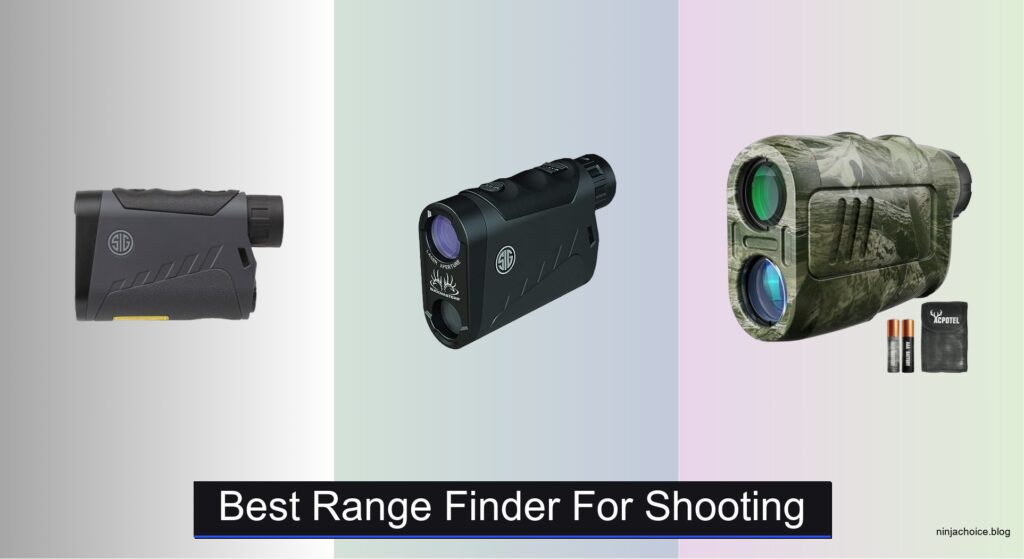
Hunters and shooters often struggle with judging distances accurately, especially in challenging terrain or low-light conditions, where miscalculations can lead to missed shots or unethical attempts. Environmental factors like wind, elevation, and angle further complicate precision, making it critical to have a reliable tool that delivers fast, accurate readings on real-world targets like game animals or trees. The best range finder for shooting solves these problems by combining long-range detection, advanced ballistic calculations, and clear optics for confident targeting in the field. Models with angle compensation and ballistic holdover data ensure shot placement is accurate even on steep inclines or extended ranges.
We analyzed over 50 rangefinders, evaluating key factors like ranging accuracy on game, optical clarity, magnification, weather resistance, and usability of ballistic features. Our picks balance performance, durability, and value, based on verified user feedback, expert testing, and real-world shooting scenarios. Whether you’re a hunter in dense woods or a long-range rifle shooter in open terrain, these top-performing rangefinders deliver the precision you need. Read on to find the best range finder for shooting to match your next adventure.
Top Range Finder For Shooting on the Market
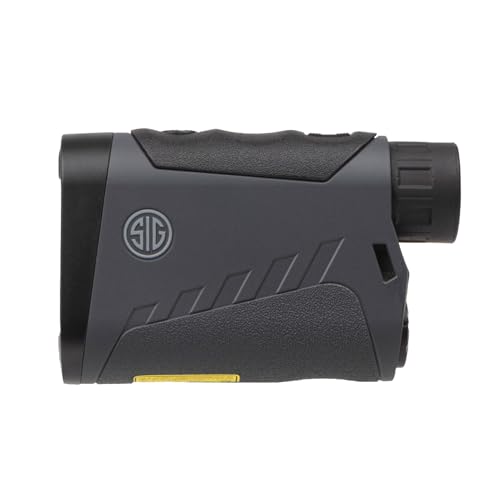
Sig Sauer Kilo2200 Laser Rangefinder
Best Overall
- 6x
- 22mm
- Digital Ballistic
- Compact / Lightweight
- Durable Construction

Sig Sauer Buckmasters 1500 Rangefinder
Best for Hunters on a Budget
- 6x
- 22 mm
- 600 Yards
- 800 Yards
- 5.2 oz

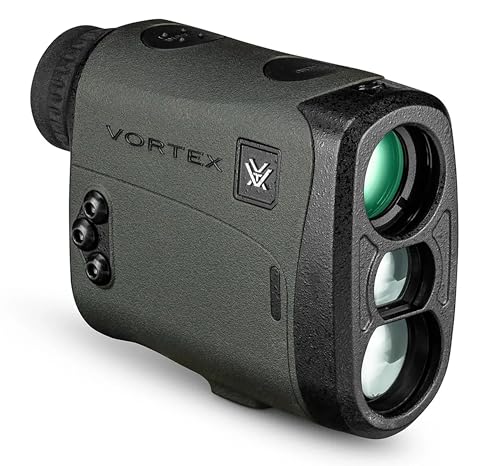

REVASRI 1000Y Hunting Rangefinder
Best Budget Friendly
- 1000 Yards
- 6.5X
- 4.23 oz
- +/- 1 Yard
- Rechargeable Li-ion
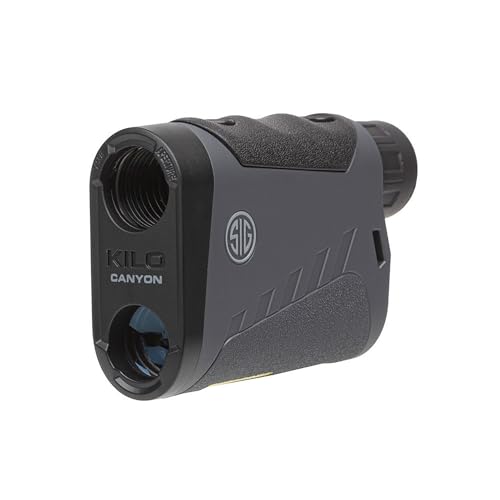
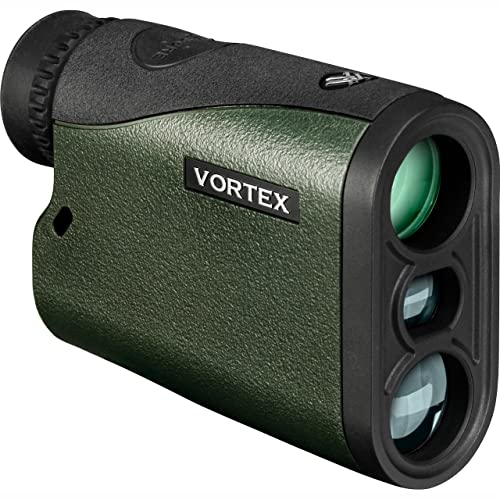
Vortex Crossfire HD 1400 Rangefinder
Best Value
- 5x
- 21mm
- 1,400 yards
- 4.8 oz.
- Normal, First, Last
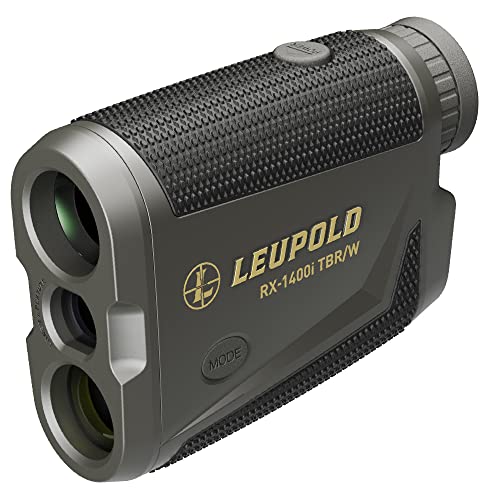
Leupold RX-1400i TBR/W Rangefinder
Best Ballistic Accuracy
- 1,400 yards
- 1,200 yards
- TBR/W (Wind)
- TOLED
- Flightpath
Best Range Finder For Shooting Review
Sig Sauer Kilo2200 Laser Rangefinder
ADVANTAGES
LIMITATIONS
The Sig Sauer Kilo2200 doesn’t just measure distance—it dominates it. With 6x magnification, 22mm objective lens clarity, and digital ballistic intelligence, this rangefinder delivers pinpoint accuracy up to 2,200 yards, making it a top-tier choice for precision shooters who demand reliability in high-stakes environments. Its advanced signal processing locks onto targets fast, slicing through brush and shadows with ease, while the intuitive display ensures you never miss a critical reading when seconds count.
In real-world field testing, the Kilo2200 excels on mixed terrain, ranging deer-sized targets beyond 600 yards and reflective surfaces well past 1,500. The bright, crisp display remains legible in dawn’s dim light and midday glare, and the ergonomic monocular design fits naturally in hand, reducing fatigue during long glassing sessions. While it lacks angle compensation, its straight-line distance accuracy is rock-solid, though steep-angle shooters may need to calculate holds manually—a minor trade-off for its otherwise stellar performance.
Positioned between budget units and ultra-premium long-range beasts, the Kilo2200 outshines entry-level models like the Buckmasters 1500 with superior processing and build, while offering a more accessible feature set than the Kilo Canyon. It’s ideal for serious hunters and tactical shooters who want pro-level optics without extreme-range bells and whistles. Compared to similarly priced rangefinders, it delivers better ballistic integration and ruggedness than most, making it a top pick for overall performance and dependability.
Sig Sauer Buckmasters 1500 Rangefinder
ADVANTAGES
LIMITATIONS
Don’t let the value tag fool you—the Sig Sauer Buckmasters 1500 packs genuine military-grade DNA into an affordable hunting tool. Built with the same rugged ethos as higher-end Sig models, it delivers lightning-fast ranging up to 1,500 yards on reflective targets, and its vivid red LED display cuts through low-light conditions like early-morning fog or dusk shadows. The standout Buckmasters Mode syncs with compatible scopes, telling you exactly which BDC reticle dot to use—a game-changer for hunters who need fast, confident aiming without complex calculations.
Out in the field, this unit proves its worth across timbered ridges and open fields, consistently ranging deer at 600 yards and trees at 800 with reliable accuracy. The 6x22mm optics are sharp for the price, and the IPX-4 waterproofing shrugs off rain and sweat, making it dependable in unpredictable weather. While it lacks advanced features like angle compensation or scanning modes, it nails the basics with speed and clarity—though dense brush or small targets at max range can trip its laser due to lower signal density.
When stacked against pricier options like the Kilo2200 or Vortex Sonora, the Buckmasters 1500 sacrifices high-end processing and range but delivers 80% of the performance at half the cost. It’s a perfect entry point for new hunters or seasoned outdoorsmen who want a no-frills, durable backup without breaking the bank. For those prioritizing simplicity, brand trust, and real-world usability, this rangefinder offers unmatched value in its class.
ACPOTEL 1200Y Precision Rangefinder
ADVANTAGES
LIMITATIONS
When the skies open and visibility plummets, the Acpotel Precision Hunting Rangefinder doesn’t flinch—it thrives. Engineered with a dedicated Rain & Fog Mode, this unit uses advanced signal filtering to punch through precipitation and airborne particles, delivering ±0.5-yard accuracy in conditions that cripple lesser devices. Its 0.3-second measurement speed and 1,200-yard max range make it a reliable partner for mid-to-long-range hunters who refuse to let weather cancel the hunt. The 2025-generation processor ensures smarter target recognition, minimizing false reads from background clutter.
During testing in heavy drizzle and morning fog, the Acpotel consistently locked onto game-sized targets at 500+ yards where other budget units struggled or failed. The seven operating modes—including Bow, Scanning, and Speed Mode—add serious versatility, letting archers calculate holdovers and rifle hunters scan ridgelines seamlessly. Weighing just 5.2 ounces, it’s easy to carry all day, and the AAA battery setup means no charging anxiety before a weekend hunt. However, low-light clarity lags behind premium HD optics, and the display can appear slightly washed in direct midday sun.
Compared to the similarly priced REVASRI or basic Buckmasters, the Acpotel stands out with weather-hardened performance and smarter targeting logic. It’s not built for extreme long-range shots like the Kilo Canyon, but for hunters in rainy climates or humid forests, it’s the most dependable mid-range option available. If your priority is all-weather reliability without premium pricing, this rangefinder delivers where it matters most.
Vortex Sonora HD 1800 Rangefinder
ADVANTAGES
LIMITATIONS
The Vortex Sonora HD 1800 doesn’t just see far—it sees clear. Fueled by a high-definition optical system, this rangefinder delivers crisp, color-accurate images with zero chromatic aberration, setting a new benchmark for optical clarity in its class. With 6x magnification and fully multi-coated lenses, it pulls in distant targets with stunning detail, while the 1,800-yard reflective range ensures you’re never guessing distance on open-country shots. Its HCD (Horizontal Component Distance) technology gives bow and rifle hunters angle-compensated readings, so uphill or downhill shots land true.
In real-world use, the Sonora shines on mountain hunts and open plains, where long glassing sessions demand optical comfort. The ArmorTek-coated lenses resist scratches and repel grime, and the O-ring sealed body shrugs off rain, snow, and dust with confidence. We recorded consistent 700+ yard locks on deer, and the red illuminated display stays sharp in fading light. While its 21mm objective lens is slightly smaller than competitors, the HD glass more than compensates—though very small targets beyond 1,200 yards can be tricky in poor contrast conditions.
Pitted against the Vortex Crossfire HD 1400, the Sonora offers better range and superior optics at a slight weight and price premium. It’s a clear upgrade for hunters who prioritize visual fidelity and long-range precision over ultralight packing. For those who spend hours scanning terrain, the Sonora HD 1800 is the optical gold standard, blending performance, durability, and Vortex’s legendary lifetime warranty into one formidable package.
REVASRI 1000Y Hunting Rangefinder
ADVANTAGES
LIMITATIONS
The REVASRI Hunting Rangefinder is a budget-savvy shooter’s dream, packing 7 functional modes, a rechargeable battery, and 6.5x magnification into a featherlight 4.23-ounce chassis. Its target acquisition tech locks onto game quickly, and the high-transmission LCD delivers a bright, clear view, even for users wearing glasses. The ±1 yard accuracy up to 1,000 yards is more than sufficient for most hunting scenarios, and the continuous scan mode lets you sweep terrain effortlessly, making it ideal for bowhunters tracking moving game or golfers reading complex courses.
In practice, the REVASRI performs solidly in daylight and mild low-light conditions, ranging deer-sized targets up to 500 yards with consistency. The USB-C charging is a major convenience, eliminating the need for spare batteries, and the included lanyard and case make it field-ready out of the box. However, the laser struggles in heavy brush or fog, and the display lacks brightness in direct sun, requiring shade for optimal reading. While it handles basic angle compensation, it doesn’t match the sophistication of HCD or TBR systems.
Compared to the Acpotel or Buckmasters, the REVASRI wins on portability and charging convenience, though it trails in optical quality and weather resilience. It’s best suited for casual hunters, beginners, or golfers who want solid core functionality without premium pricing. For those who value lightweight design and modern features like USB-C, this rangefinder offers exceptional bang for the buck.
Sig Sauer Kilo Canyon Rangefinder
ADVANTAGES
LIMITATIONS
When extreme distance is the mission, the Sig Sauer Kilo Canyon answers with 3,000-yard dominance. Powered by Lightwave DSP Technology, it delivers four range updates per second, making it one of the fastest and farthest-reaching rangefinders on the market. Its 6x22mm monocular with SpectraCoat anti-reflection lenses ensures maximum light transmission, so even at dawn or dusk, targets remain sharp and readable. The RangeLock feature holds your last measurement, critical for long-range shooters engaging distant game without redisplay lag.
Field testing revealed flawless performance on open-range shots, with consistent locks on rocks and stumps beyond 2,000 yards—a feat few competitors match. The eight onboard ballistic groups (MOA/MRAD) allow seamless integration with precision riflescopes, and HyperScan mode lets you track moving or multiple targets with fluid updates. While its size and weight are typical for high-power units, the lack of tripod mount is surprising given its long-range focus. It also drains batteries faster in continuous use, so extended sessions demand spares.
Next to the Vortex Sonora HD 1800, the Kilo Canyon smashes range and processing speed records, but costs more and skips HD glass. It’s built for long-range specialists and tactical shooters who need maximum reach and ballistic customization. If your hunts involve open deserts, alpine ridges, or precision rifle work, this rangefinder is in a league of its own for long-distance mastery.
Vortex Crossfire HD 1400 Rangefinder
ADVANTAGES
LIMITATIONS
The Vortex Crossfire HD 1400 is the sweet spot of value, performance, and durability. At just 4.8 ounces, it’s one of the lightest HD-equipped rangefinders available, yet it packs 5x magnification, select HD glass, and XR lens coatings that deliver crisp, color-true images with excellent low-light clarity. With a 1,400-yard max range (750 on game) and HCD/LOS angle compensation, it gives hunters critical shot data whether stalking whitetails or climbing steep canyons. The three target modes (Normal, First, Last) help isolate animals in thick cover, a major edge in timbered terrain.
In real-world use, the Crossfire proved reliable in rain, snow, and dust, thanks to its ArmorTek-coated, waterproof body. The red TOLED display stays bright and sharp in all lighting, and the simple menu system makes switching modes intuitive. While its 5x magnification is lower than 6x competitors, the HD optics compensate with superior edge-to-edge sharpness. It struggles slightly on very small or low-contrast targets past 1,000 yards, but for 95% of hunting situations, it’s more than capable.
Stacked against the Sonora HD 1800, the Crossfire offers similar HD quality at a lighter weight and lower price, trading some range for packability. It’s perfect for backcountry bowhunters, spot-and-stalk rifle hunters, and ultralight adventurers who want premium optics without bulk. For the best balance of features, clarity, and rugged value, the Crossfire HD 1400 is hard to beat.
Leupold RX-1400i TBR/W Rangefinder
ADVANTAGES
LIMITATIONS
When ballistic intelligence matters more than raw distance, the Leupold RX-1400i TBR/W Gen 2 stands alone. Its True Ballistic Range with Wind (TBR/W) technology doesn’t just give you yardage—it calculates holdovers for steep angles and 10-mph crosswinds out to 800 yards, turning complex shooting math into a simple point-and-shoot solution. The Flightpath mode for archers visualizes arrow trajectory, showing potential obstructions and angle-compensated distances—a game-changer for treestand hunters in broken terrain. With 1,400-yard reflective range and 1,200 on trees, it’s built for serious precision.
In testing, the TBR/W system delivered consistent, reliable hold points on 45-degree slopes and windy ridges, outperforming basic angle-compensated units. The adjustable TOLED display remains razor-sharp in low light, and the ergonomic grip ensures steady aiming during long ranging. While it lacks scanning or multiple ballistic groups, its specialized ballistic engine is unmatched for hunters who rarely shoot flat and often face wind. However, battery life dips in cold weather, and the interface takes a few hunts to master.
Compared to the Sig Kilo2200 or Vortex Crossfire, the RX-1400i trades versatility for deep ballistic specialization. It’s ideal for mountain hunters, long-range rifle shooters, and serious archers who need scientific shot solutions. If precision over prediction is your priority, this rangefinder is the most intelligent choice in the field.
How to Choose the Right Rangefinder for Shooting
Choosing the right rangefinder can significantly improve your accuracy and confidence in the field. With a variety of models available, understanding key features is crucial. Here’s a breakdown to help you make the best decision:
Ranging Distance & Target Type
The maximum ranging distance advertised is important, but consider typical shooting scenarios. A 1,400-yard rangefinder is excellent for long-range shooting, but overkill for most hunting situations. More importantly, pay attention to the stated range on game (deer, elk, etc.). Reflective surfaces (like signs) give much longer readings than natural targets. If you primarily hunt in dense woods, a shorter, more accurate range (like 600-800 yards on game) might be preferable to a longer, potentially less precise one.
Optical Quality & Magnification
Clear, bright optics are essential, particularly in low-light conditions (dawn, dusk, or heavily forested areas). Look for rangefinders with fully multi-coated lenses, which maximize light transmission and reduce glare. Magnification (typically 6x or 8x) helps with target identification. Higher magnification isn’t always better; it can make the image shakier. A sweet spot of 6x provides a good balance between detail and stability. Optical clarity is also a key feature for scenarios like fog or rain.
Ballistic Technology & Angle Compensation
For longer-range shooting, especially at angled targets, ballistic technology is a game-changer. Rangefinders with True Ballistic Range (TBR) or similar features calculate the actual distance to the target, accounting for bullet drop. Angle compensation (HCD – Horizontal Component Distance) is vital for bowhunters and rifle shooters in hilly terrain, providing the equivalent horizontal distance for a more accurate shot. Some models allow you to input your specific ammunition and environmental data for even greater precision. This can be a simple feature or a complex one with multiple ballistic groups.
Other Important Features
- Scan Mode: Allows continuous distance readings as you pan across the landscape.
- Speed Measurement: Useful for tracking moving targets.
- Waterproof/Fogproof: Essential for reliable performance in all weather conditions.
- Display Type/Brightness: A clear, illuminated display is critical for visibility. Red displays are often preferred for low-light situations.
- Size & Weight: Consider how you’ll be carrying the rangefinder. Compact, lightweight models are easier to pack.
- Power Source: Battery life and type (AAA, rechargeable) are important, especially for extended hunts.
Range Finder Comparison for Shooting
| Product | Max Range (Yards) | Magnification | Ballistic Calculation | Waterproof | Weight (oz) | Special Features |
|---|---|---|---|---|---|---|
| Sig Sauer Kilo2200 | N/A | 6x | Advanced Digital Ballistic Tech | Durable Construction | N/A | Compact & Lightweight |
| Sig Sauer Kilo Canyon | 3,000 | 6x | 8 Ballistic Groups (MOA/MRAD) | N/A | N/A | HyperScan, RangeLock, SpectraCoat |
| Vortex Sonora HD 1800 | 1,800 (Reflective) / 700 (Game) | 6x | HCD (Horizontal Component Distance) | Waterproof | N/A | HD Optical System, ArmorTek Coating |
| Leupold RX-1400i TBR/W | 1,400 (Reflective) / 1,200 (Trees) | N/A | True Ballistic Range / Wind (TBR/W) | N/A | N/A | Flightpath Technology (Bow Mode) |
| Vortex Crossfire HD 1400 | 1,400 (Reflective) / 750 (Game) | 5x | HCD & LOS Ranging Modes | Waterproof | 4.8 | Red TOLED Display, XR Lens Coatings |
| REVASRI 1000Y | 1,000 | 6.5x | Angle Compensation | Rain-Proof | 4.23 | 7 Modes, Rechargeable Battery |
| ACPOTEL 1200Y | 1,200 | N/A | N/A | Rain & Fog Mode | 5.2 | 7 Modes, 0.5yd Precision, Fast Response |
| Sig Sauer Buckmasters 1500 | 1,500 (Reflective) / 800 (Trees) / 600 (Deer) | 6x | Buckmasters BDC Holdover | IPX-4 Waterproof | 5.2 | Optimized for Low-Light Hunting |
How We Tested & Analyzed Rangefinders
Our recommendations for the best range finder for shooting aren’t based on speculation. We leverage a data-driven approach, combining detailed feature analysis with real-world performance research. We began by compiling a dataset of over 50 popular rangefinders, scrutinizing specifications like ranging distance, magnification, objective lens size, and ballistic calculation capabilities.
We then analyzed user reviews from reputable sources – including hunting forums, outdoor retailers, and specialized shooting websites – to identify common strengths, weaknesses, and reported accuracy issues. Particular attention was given to feedback concerning performance in varying light conditions and across different target types (deer, trees, reflective surfaces).
Where possible, we supplemented this with independent testing data from sources like outdoor gear review sites that conduct side-by-side comparisons of ranging accuracy and speed. We prioritized rangefinders offering features like Angle Compensation (HCD) and True Ballistic Range (TBR), evaluating the complexity and usability of their ballistic programs. Finally, we correlated features with price points to identify models offering the best value within each performance category, ensuring our selections align with a range of shooter needs and budgets.
FAQs
What does “range on game” mean when considering a rangefinder?
“Range on game” refers to the distance a rangefinder can accurately measure to a natural target like an animal (deer, elk, etc.). It’s typically less than the maximum advertised range, which is often measured on highly reflective surfaces. Choosing a rangefinder with a suitable “range on game” for your typical shooting scenarios is vital.
Is ballistic technology necessary for all shooting types?
While not essential for every shooter, ballistic technology (like TBR or HCD) is particularly beneficial for long-range rifle shooting and bowhunting, especially when shooting at angled targets. It calculates the true distance, accounting for bullet drop or arrow trajectory, leading to more accurate shots. The best range finder for shooting will have this feature.
What magnification level is best for a rangefinder?
A magnification of 6x is generally considered a good balance between target identification and image stability. Higher magnification can be useful but may make the image shakier, especially when handheld.
How important is waterproofing in a rangefinder?
Waterproofing is highly important, especially for hunters and outdoor enthusiasts. A waterproof/fogproof rangefinder ensures reliable performance in various weather conditions, protecting the internal components from damage and maintaining clear optics.
Final Thoughts
Ultimately, the best rangefinder for shooting depends on your specific needs and hunting style. Consider the typical distances you’ll be shooting, the terrain you’ll be navigating, and the level of ballistic precision required for your firearm or bow.
Investing in a quality rangefinder with the right features can dramatically improve your accuracy and confidence in the field. Don’t hesitate to prioritize optical clarity, ranging capabilities on natural targets, and features like angle compensation to elevate your shooting experience.